A 3-chapter documentary about the stories we tell ourselves around creativity. Using a plethora of studies from anthropology, psychology and neuroscience, the film tries to demystify the way we use our brains to create, to make art and science. The products of our minds are extraordinary, but the process in which they are brought about are in fact, quite ordinary. Shakespeare copied. Mozart copied. Picasso copied too. But we're still obsessed with originality. We're living in the most creative time in humanity's existence, so maybe it's time to rethink our preconceptions about creativity.
Whether it's the famous steps of the Titanic or the legendary lunar landing of Apollo 13, there is no museum exhibit that the expert builders at Creative Arts Unlimited, Inc. can't re-create. Viewers will follow these highly skilled craftsmen as they use their expertise to meticulously rebuild history in museums across the nation. Led by Roger Barganier (co-founder, president and creative director), the team at Creative Arts Unlimited, approach each build with a determination to tell a story. Every exhibit that is produced by the Museum Men is engaging, informative, and historically accurate. No detail is overlooked, because for Creative Arts authenticity is everything. In addition to building for museums, Creative Arts also re-creates items for private collections. But whoever the recipient may be, every build poses unique challenges, including hard-to-find research, demanding schedules, and obsolete methods of construction.
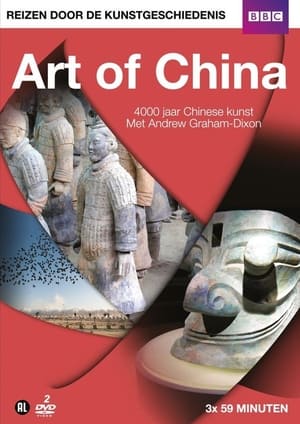
Andrew Graham-Dixon undertakes an epic journey to uncover the art of China.
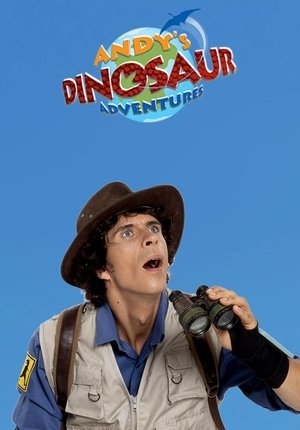
Andy works at the National Museum in the Dinosaur Gallery with Hatty. After part of an exhibit is damaged or needs replacing, Andy travels back in time to age of Dinosaurs using the Old Museum Clock to find a replacement piece. He encounters many Dinosaurs and other creatures that lived at the same time.
Great Art Explained is a video series that focuses on one piece of art per episode, breaking it down, using clear and concise language free of 'art-speak'.
Our citizen space accommodates a large number of artistic manifestations that account for the way in which their authors interpret the context in which they are immersed. Living Art is a series of 10 chapters that seeks to be the reflection of the views of those who through art pay new ways of interpreting the world but above all to share their interests, their passions as well as their likes and dislikes which are a fundamental part of his inspiration, thus focusing on his human side.
Bettany Hughes follows in the footsteps of 18th century aristocrats going on a Grand Tour as she travels through France and Italy to see how travel, the arts and culture and the finest foods can enrich and inspire our lives.
During the turbulent 19th century, a number of brilliant French artists developed the Romantic movement in Paris: writers Victor Hugo, Alexandre Dumas, George Sand, Honoré de Balzac and Charles Baudelaire, painter Eugène Delacroix and composer Hector Berlioz, among others, changed the way of looking at art and created enduring works that have inspired the world to this day.
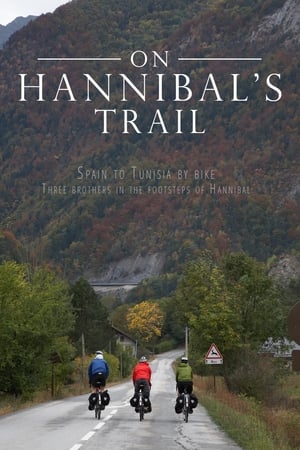
Series in which three Australian brothers - Danny, Ben and Sam Wood - set out cycling on the trail of Hannibal, the warrior who marched from Spain to Rome at the head of an invading army.
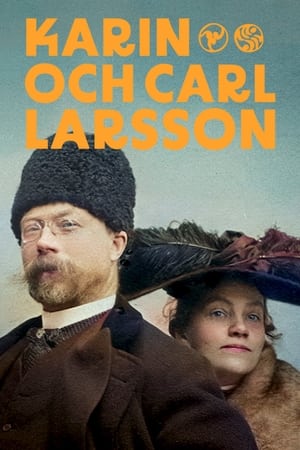
Karin och Carl Larsson
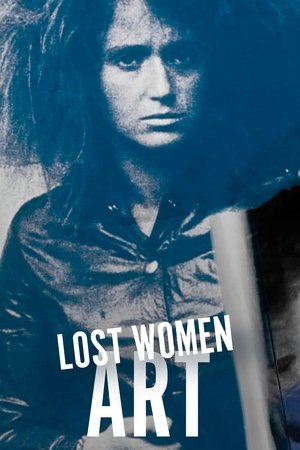
Women write art history – but in turn are systematically ignored by it. LOST WOMEN ART tells the story of the suppressed female avant-garde and by doing so introduces a new art history.
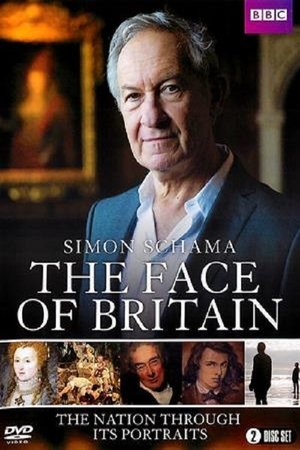
Simon Schama explores the history of British portraiture, revealing the stories behind the most compelling images in British art and examining the ways portraiture is used to make a statement.
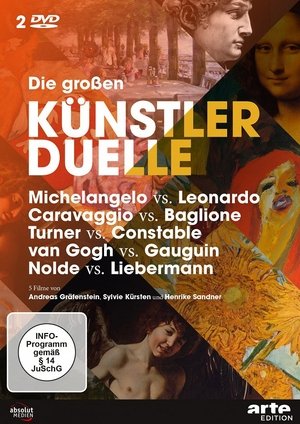
The Antagonists: Rivalry in Art
Unique arts series venturing behind the scenes at the world famous museum of art, design and performance, the V&A.
An educational French TV documentary series which goes into depth during each episode into the analysis of a single painting.
In his most personal project to date, Simon Schama looks back at the dramatic history that has played out in his lifetime. Best known for writing history, he has lived a fair bit of it too. Born in 1945, on the night of the bombing of Dresden, Simon grew up as part of a generation determined to rebuild the world from the ashes of war. In this film, he reveals the stories of artists and writers who have been at the forefront of the fight for truth and democracy, often at great personal cost.
Examine the history of Ancient Rome with The Roman War Machine, a four-part documentary series narrated by Joseph Campanella. From its establishment in 300 BC to the crushing defeat at the hands of the German chief Akininis in 9 AD, The Roman War Machine examines every aspect of this legendary fighting force. Throughout each episode we’ll take a closer look at ancient Rome’s war politics, Roman legions, commanders, their disciplined war tactics and battles. See how Caesar used his soldiers for political gain as well as in the field of battle, follow Hadrian’s troops as they build monuments still standing today and learn what life was like for the common soldier with the help of ancient documents and historical re-enactments.
At its height, the Roman Empire encompassed Europe, the Middle East and North Africa. How did it keep prospering for over 400 years? And why did it come to a rapid end? What can we learn from the Roman Empire and what guiding principles does it offer us today?
First broadcast on October 2, 1989, these 18 original 30-minute episodes provide a panorama of 2000 years of architecture, painting and sculpture, and studies the art masterpieces as reflections of the Western culture that produced them.
Don Wildman unearths relics from the world's greatest institutions to reveal secrets from the past. He examines each artifact to illuminate history's most incredible triumphs, sensational crimes and bizarre encounters.