On a special inner city street, the inhabitants—human and muppet—teach preschoolers basic educational and social concepts using comedy, cartoons, games, and songs.
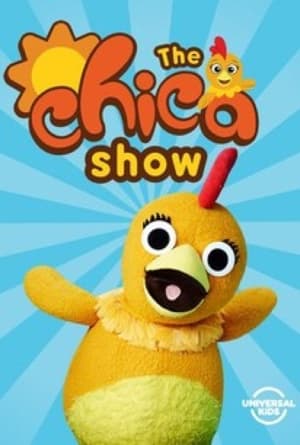
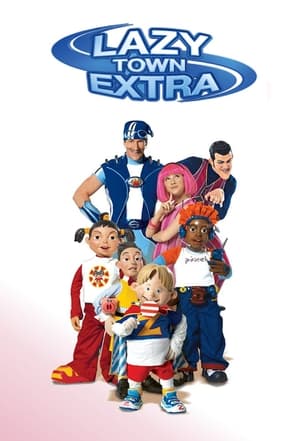
This show features the LazyTown characters in short, humourous sketches whilst Ziggy visits the UK to encourage healthy eating and getting active.
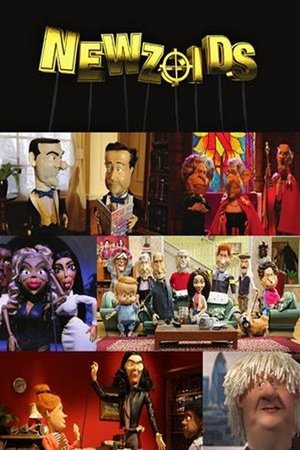
Welcome to the world of Newzoids, a topical puppet animation sketch show poking fun at pop stars, politicians, sports faces and TV favourites, and depicting our most talked about famous faces in a way they have never been seen before. Imagine a world where David Cameron and Nick Clegg battle it out on Jeremy Kyle, where Ed Miliband joins Ant and Dec on I’m A Catastrophe…Get Me Out Of Here, and where Professor Brian Cox finds an extraordinary new planet in the solar system – Kim Kardashian’s backside.
Greg the Bunny is an American television sitcom that originally aired on Fox TV in 2002. It starred Seth Green and a hand puppet named Greg the Bunny, originally invented by the team of Sean S. Baker, Spencer Chinoy and Dan Milano. Milano and Chinoy wrote and co-produced the Fox show.
Spitting Image is an award winning British satirical puppet show, created by Peter Fluck, Roger Law and Martin Lambie-Nairn. The series was produced by Spitting Image Productions for Central Independent Television over 18 series which aired on the ITV from 1984 to 1996. The series was nominated and won numerous awards during its run including 10 BAFTA Awards, including one for editing in 1989, and even won two Emmy Awards in 1985 and 1986 in the Popular Arts Category. The series featured puppet caricatures of celebrities famous during the 1980s and 1990s, including British Prime Minister Margaret Thatcher and fellow Tory politicians, American president Ronald Reagan, and the British Royal Family. The Series was the first to caricature the Queen mother.
A pink-haired girl named Stephanie moves to LazyTown with her uncle (the mayor of LazyTown), where she tries to teach its extremely lazy residents that physical activity is beneficial.
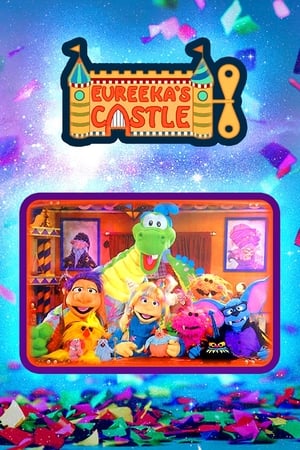
Eureeka's Castle is an American children's television series that aired on Nickelodeon from September 4, 1989 to June 30, 1995.
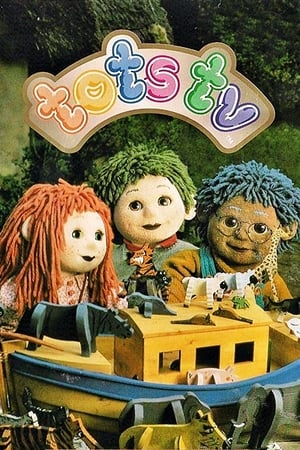
Features three ragdoll friends: Tilly, a French girl, with red hair, who speaks in basic French, Tom, a blue haired boy with glasses, and Tiny, the youngest Tot, who is smaller than the others and has green hair. The Tots either stay in their secret house, play games and make exciting discoveries, or they go outside to explore an everyday area in the real world.
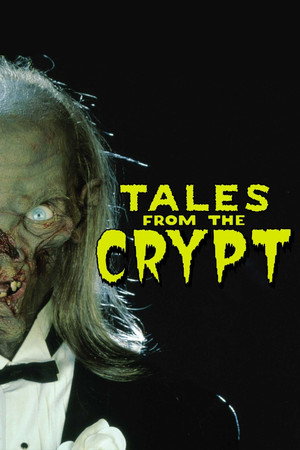
Cadaverous scream legend the Crypt Keeper is your macabre host for these forays of fright and fun based on the classic E.C. Comics tales from back in the day. So shamble up to the bar and pick your poison. Will it be an insane Santa on a personal slay ride? Honeymooners out to fulfill the "til death do we part" vow ASAP?
Bodger and Badger is a BBC children's comedy programme which was first broadcast in 1989. It starred Andy Cunningham as Simon Bodger, who had a badly behaved companion, a talking badger with a love for mashed potatoes.
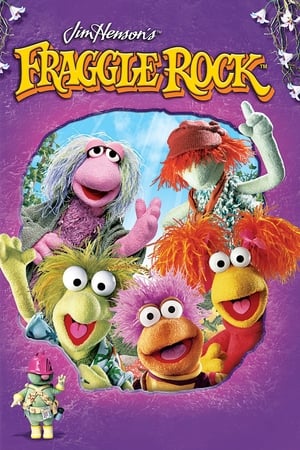
The Fraggles are a fun-loving community of creatures who live in a subterranean fantasy land where they love to play, sing and dance their cares away, sharing their world with the tiny Doozers and the giant Gorgs. The series teaches empathy and tolerance and encourages children to understand people different from themselves.
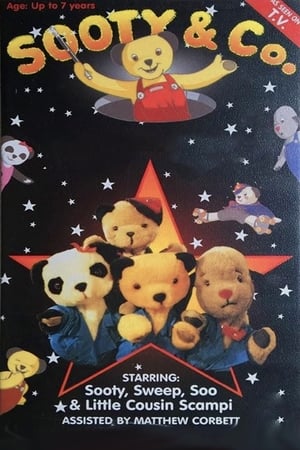
Second incarnation of the childrens puppet show, picking up almost directly where "The Sooty show" left off Sooty, Sweep, Soo and little cousin Scampi continue their adventures with Matthew.
Go behind the curtains as Kermit the Frog and his muppet friends struggle to put on a weekly variety show.
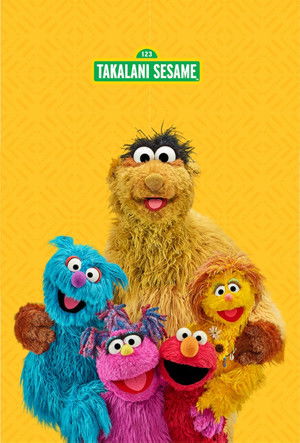
Takalani Sesame is the South African version of the children's television program Sesame Street. Co-produced by Sesame Workshop and South African partners,
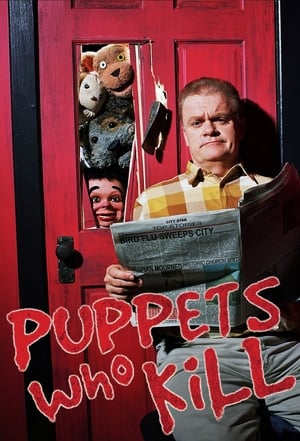
Puppets Who Kill is a Canadian television comedy programme co-produced by The Comedy Network. It premiered in Canada on the Comedy Network in 2002, and in Australia on The Comedy Channel in 2004. In Puppets Who Kill, Rocko the Dog, Cuddles the Comfort Doll, Buttons the Bear, and Bill the Dummy are four live, anthropomorphic puppets with a history of delinquency and recidivism. Canadian courts sent each of them to a halfway house for puppets, operated by a man named Dan Barlow.
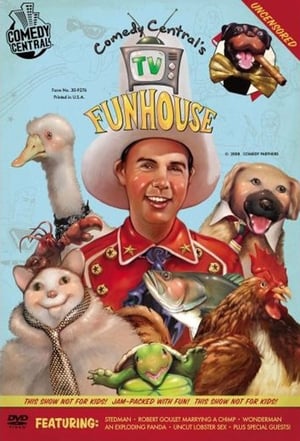
In this spin-off of the Saturday Night Live TV Funhouse cartoons, happy-go-lucky Doug hosts a children's show in the vein of Pee-wee's Playhouse, wherein he chooses a theme for the day (Caveman Day, Western Day, Spaceman Day, Mexicans Day, etc.) and encourages his puppet friends, the Anipals, to participate. Of course, the depraved felt animals are far more interested in other activities, including going to a cockfight, visiting a bordello, becoming lab tests, and even getting (literally) high on Christmas cheer!
Kukla, Fran and Ollie is an early American television show using puppets, originally created for children but soon watched by more adults than children. It did not have a script and was entirely ad-libbed. It aired from 1947 to 1957.
Comedy satire on inner-city London life, directed at a mature audience. It features a set of characters, living in a grim apartment building in the fictional postcode of SE69, who are plagued by various dilemmas.
Herr Talman takes an irreverent comedy take on politics with twisted puppet versions of our party leaders. In sketches and songs, the program engages in political theater, the failings of party leaders and current gossip.
The Puzzle Place is an American children's television series produced by KCET in Los Angeles, California and Lancit Media in New York City, New York. It premiered on the Public Broadcasting Service on January 16, 1995, and ran for about four years, airing its final episode on December 4, 1998. Reruns were continued until March 31, 2000. The show followed a multi-ethnic group of kids from different parts of the United States who hung out at "the Puzzle Place", which is a teen hangout themed around jigsaw puzzle pieces. In each episode the characters were confronted with an everyday conflict usually encountered in childhood and even early teenagerdom, such as making moral decisions, sharing, racism, sexism, etc.