Hüter der Erde
Keep an eye on the daily routines, quirky habits and cozy habitats of several baby animals at Cleveland Metroparks.
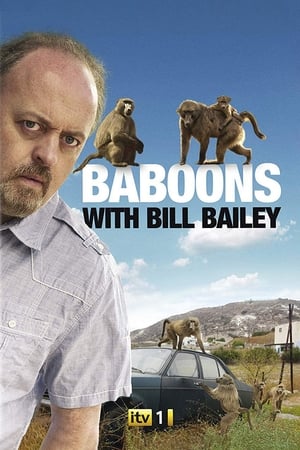
Baboons with Bill Bailey is a wildlife documentary series presented by Bill Bailey. The series follows Bill as he attempts to find out more about the lives of baboons who are living in several colonies in Cape Town, South Africa.
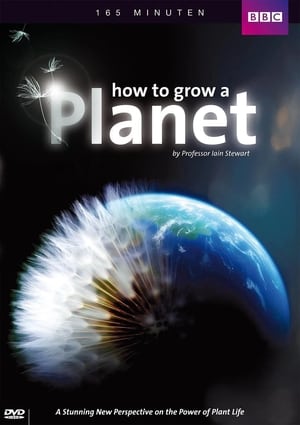
Geologist Iain Stewart explain in three stages of natural history the crucial interaction of our very planet's physiology and its unique wildlife. Biological evolution is largely driven bu adaptation to conditions such as climate, soil and irrigation, but biotopes were also shaped by wildlife changing earth's surface and climate significantly, even disregarding human activity.
Yellowstone challenges every animal that lives in this Rocky Mountain wilderness; in summer it pitches them into battle against one another for food, territories and mates, in winter it forces them into a struggle for survival.
Nationalparks im Baltikum
Dive into the extraordinary worlds of six tiny animals as they embark on the biggest journeys of their lives.
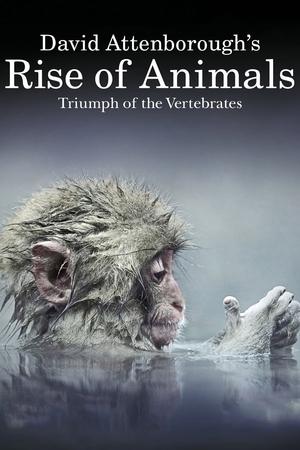
David Attenborough embarks on a remarkable 500 million-year journey revealing the extraordinary group of animals that dominate our world, and how their evolution defines our human bodies.
See It Now is an American newsmagazine and documentary series broadcast by CBS from 1951 to 1958. It was created by Edward R. Murrow and Fred W. Friendly, Murrow being the host of the show. From 1952 to 1957, See It Now won four Emmy Awards and was nominated three other times. It also won a 1952 Peabody Award, which cited its
The law of the wild is kill or be killed; learning how animals kill.
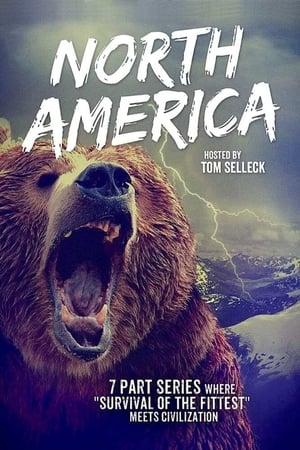
The seven episodes explore North America: where civilization collides with untamed wilderness. Just feet beyond our own backyards rages a spectacle we never see. Join us as we step into this hidden world teaming with life - across impossible mountains and endless deserts. Dive into unexplored forests and crash into rugged coasts. This vast continent offers boundless rewards for those brave enough to take on this land - and call her home.
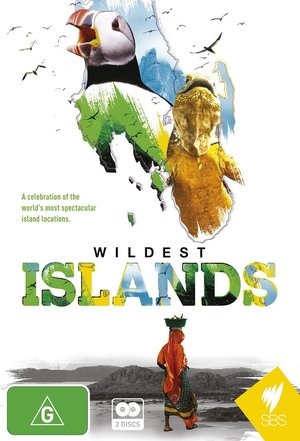
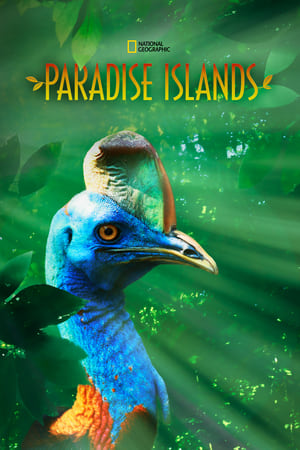
The tropical islands that lie between Asia and Australia are among the biologically richest on earth, and home to a vast number of plants and animals. From tree kangaroos to tarsiers, manta rays to mudskippers, the region abounds with life. But why? The answer lies deep in time, due to the many millions of years these islands have existed - and the power of the earth, the sun and the moon.
Explore the raw beauty and awesome natural power of the Great Canadian Wilderness - the largest untouched wilderness in the world.
Long-running travel programme
Filmed across five years in a single spectacular location, the lives and fates of our four families - leopards, hyenas, wild dogs, and lions - are inextricably linked as they strive for a foothold in a remote and fertile river valley in Zambia.
Meet the bizarre, amazing and breathtaking creatures and landscapes of a vibrant lost world; and discover how life not only survived during the cataclysmic events of this prehistoric era, but thrived.
Ronan Donovan, our expert guide and National Geographic photographer, takes the audience on an intimate exploration of the Arctic during the endless day of the summer months, giving insight to the unexpected abundance of the 'Garden of the Arctic' in Wolf Valley as he attempts to embed with a wolf family pack.
The Earth’s continents are instantly recognizable. These iconic landmasses seem permanent and unchanging, yet they are merely the wreckage of a much larger long-lost supercontinent – Pangaea. In this stunning four part series Professor Iain Stewart uncovers the evidence for this ancient past. He reveals how the world around us is full of clues – in the rocks, the landscapes and even the animals. All of which tell us how the land we live on was created.
Australian host Steve Irwin and his wife Terri run a wildlife refuge. Their shared passion is educating the world about wildlife, including the much feared crocodile and numerous venomous snakes. Steve's specialty is the capture and relocation of crocodiles. No animal appears too threatening to Steve, his true respect for animals is the foundation for everything he does.
The ABC Of... an interview series, revisits the pasts of famous Australians delving deep to uncover hidden archival gems, exploring how they changed Australia and how Australia changed them.