最后一张签证
Berlin in the 1920s. A dazzling place, but times are not only golden, they are marked by poverty and crime. Vicky arrives in the city, led by promises of a better life, she’s looking for a job. But as soon as she gets there, her hopes and dreams are met with a cold awakening. With no place to stay and nothing to her name, she hires on to work as a saleswoman at a newly-established, glamorous department store. But the founders are also fighting for survival, just like Vicky. Times are tough, and it’s about to get tougher.
Hôtel
In 1909, Karl Siebrecht, who has just become an orphan, arrives in Berlin. The 16-year-old is eager to conquer the city for himself in just a few weeks. On the train ride there, he meets Rieke Busch, a girl from the working-class district of Wedding. She accompanies Karl from then on. But he soon realizes that he will have to start at the bottom. His path is characterized by small successes and setbacks. Only later does he make his breakthrough by founding a luggage transportation company. But once again, his success was short-lived as his business partner booted him out. Karl Siebrecht is faced with the ruins of his company. But he does not give up, finds new ways and seems to have achieved another breakthrough. But then the First World War breaks out...
"Löwengrube – Die Grandauers und ihre Zeit" is a German television series first aired between 1989 and 1992, created by Willy Purucker and directed by Rainer Wolffhardt. It is set in Munich and follows the lives of Ludwig Grandauer and his son Karl, both policemen, covering the years from 1897 to 1954. The TV show is based on Purucker's radio play series Die Grandauers und ihre Zeit (‘The Grandauers and their time’). The series’ main title "Löwengrube", meaning ‘Lions’ Den’, refers to the address of the Munich Police Headquarters inaugurated in 1913.
A star hotelier holding a grudge against his father unfolds a story filled with plots, betrayal, and desire.
In attempt to find a non-violent alternative for reducing Hell's overpopulation, the daughter of Lucifer opens a rehabilitation hotel that offers a group of misfit demons a chance at redemption.
The murder of a young boy in a small coastal town brings a media frenzy, which threatens to tear the community apart.
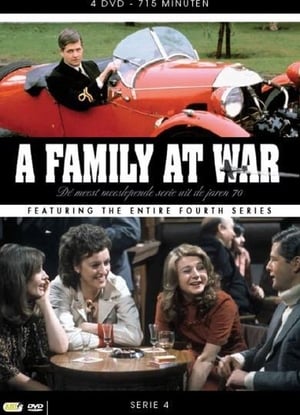
The Girls of Slender Means is a 1975 BBC television mini-series based on Muriel Spark's novel. The drama, aired in three parts, follows a group of young women living in a London boarding house in 1945, and is framed by a death that occurs in 1960.
I ve smrti sami
The Sullivans is an Australian drama television series produced by Crawford Productions which ran on the Nine Network from 1976 until 1983. The series told the story of an average middle-class Melbourne family and the effect World War II had on their lives. It was a consistent ratings success in Australia, and also became popular in the United Kingdom, Ireland, Netherlands, Gibraltar and New Zealand.
La lunga notte - La caduta del Duce
Based on real-life experiences, Tenko remains one of the most fondly remembered and acclaimed BBC dramas of the early 1980s. It follows a group of women, formerly comfortably well-off ex-pats living in Singapore, as they are captured by the Japanese during World War II.
At Andersen’s Seaside Hotel by the North Sea dunes, meet three young people as they try to emancipate themselves from the plans other people have made on their behalf.
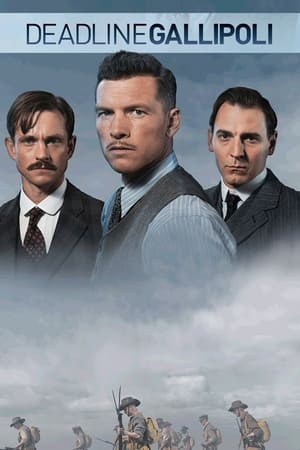
A historical saga, it tells the story of six young men and women who, in 1914, are full of plans and dreams for the future. Cutting between life at home, Gallipoli and Egypt, this spectacular drama begins in a time of optimism and hope, on the eve of war.
Laura returns 20 years later to the hotel where her mother died in strange circumstances, to seek revenge and make justice.
The unique, and rarely told true stories of Australian and New Zealand nurses serving at Gallipoli and the Western Front during the First World War.
At the outbreak of World War I, two teenage boys - one German and one British - defy their parents to sign up. An epic historical drama spanning the five years of the First World War, as seen through the eyes of two ordinary young soldiers.
Red Sun is a family drama that tells stories of courage, sacrifice, and hardships that every Filipino family has. These stories were inspired by the tales of the unsung heroes who defied the odds of World War II and the Japanese occupation of the Philippines.
A Norwegian family vacationing on La Palma faces disaster when a young researcher discovers alarming signs of an imminent volcanic eruption.