A dance competition where celebrities compete to be crowned the winner. Who is kicked out of the competition each week is decided by the judges scores and viewer votes. Are today's celebrities fleet of foot or do they have two left feet?
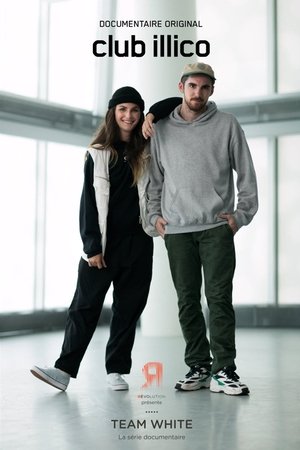
A behind the scene view of the day to day life of siblings Alexandre and Catherine Leblanc, winners of the first season of Révolution.
Got to Dance, originally titled Just Dance, is a reality talent show dance competition that has been broadcast on Sky1 in the United Kingdom and Ireland since 20 December 2009. Auditions for the show take place in specially built Dance Domes and are open to all dance acts of any age, style or size but must be of an amateur level. The show is broadcast on Sky1, also in high definition, and is hosted by Davina McCall, with Ashley Banjo, Kimberly Wyatt and Aston Merrygold as judges. In series 1–3, Adam Garcia was a judge and was replaced by Merrygold in series 4. Since series 2, the prize money is £250,000 for the winning act.
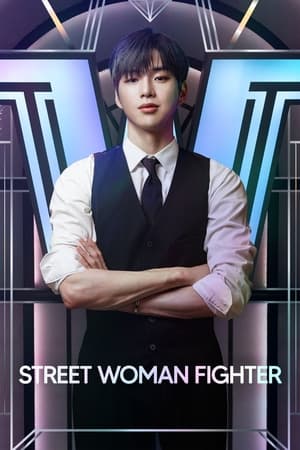
Eight male dance crews that represent South Korea will compete to be the No. 1 team. The dancers will showcase various genres of street dance, including hip hop, waacking, Old School, locking, krumping, and breakdancing.
Through choreography mission, and One-on-One mission, 21 solo dancers out of 40 dancers are chosen as the candidates for Mbitious Crew. However, only the top eight dancers will be selected as the members of Mbitious Crew, and the fate of these 21 dancers will be decided on Be the SMF!
Geneviève Guérard meets fans who share their love for all kinds of dance styles and the communities that gave birth to them. Each episode is an opportunity to learn the rhythms, steps and artistry of a new dance, and its history, as well as its social and cultural impact.
A dance-off where stars learn, prepare and present dance routines that they must show to a select panel of judges.
Geneviève Guérard takes viewers inside the lives of five dancers and choreographers on the cutting edge of their profession.
The biggest West End shows, the most famous pop acts, the world's most successful dance teachers and the most incredible cast of characters TV will ever see all pass through London's Pineapple Dance Studios.
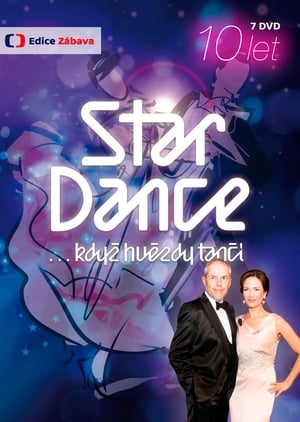
StarDance
Following the smash hit success of Pineapple Dance Studios, Louie Spence's Showbusiness is a documentary to get tongues wagging and toes tapping.
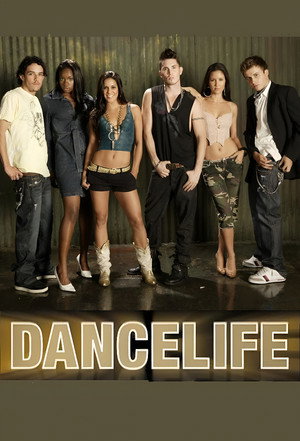
DanceLife was a 2007 dance-oriented United States TV reality show, featuring and produced by Jennifer Lopez. The series follows the lives of seven dancers trying to break into the world of professional dance and trying to "make it" in Hollywood. DanceLife premiered on January 15, 2007, and concluded its first season on March 5, 2007. The show has had guest appearances from Ashlee Simpson, Nelly Furtado, Mary J. Blige, Omarion, The Pussycat Dolls and Ashley Roberts. The theme song is "Find A New Way" by Young Love.
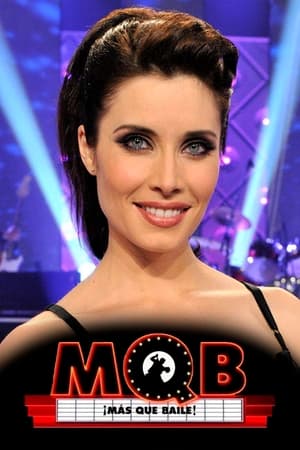
¡Más que baile!, formerly known as ¡Mira quién baila!, is a Spanish reality television program, and part of the Dancing with the Stars franchise, in which a group of celebrities compete in a dancing contest of several styles over several weeks, partnered with dance professionals. The prize that the winner obtains is given to charitable organisations. The show is currently broadcast on Telecinco, presented by Pilar Rubio.
Features a dozen promising girl and boy dancers, ages 6 through 13, competing for a $100,000 cash prize and a scholarship to the Young Dancer Program at the Joffrey Ballet School in New York.
Live to Dance was a United States television reality program and dance competition on the CBS network. Dancers from all over the country auditioned for Live to Dance in "specially constructed Dance Domes". Resembling the British dance competition series Got to Dance, the show was first shown on January 4, 2011, and was headlined by the American Idol judge Paula Abdul as lead judge with Andrew Günsberg as host. Judging alongside Abdul were Kimberly Wyatt, the former member of Pussycat Dolls, and Michael Jackson's long-time choreographer Travis Payne. The show was intended to rival So You Think You Can Dance and unlike most other reality shows, allowed dancers of all ages to compete. The series was not renewed for a second season. An Australian version was filmed in 2011.
A series about the evolution of various spheres of Ukrainian culture and its modern heroes. This is the result of 100+ interviews and stories about how whole layers of culture were created in Ukraine. It is an attempt to capture the outbreak that is happening today and that we are waiting for tomorrow, to understand the strengths and weaknesses, identify trends and find answers to questions that concern. Each episode reveals an important topic: from the phenomenon of Ukrainian pop music and clipmaking to movies, comedy, street art and local clothing brands.
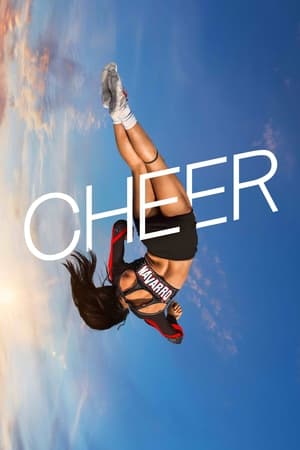
The stakes on the mat are high, but for these cheerleaders, the only thing more brutal than their workouts and more exceptional than their performances are the stories of adversity and triumph behind the athletes themselves.
The Australian Ballet has evolved to become our nation's most treasured performing arts company and an icon of dance. 'And We Danced' looks back to reveal what has shaped this world-class institution and made it uniquely ours.
American Bandstand was an American music-performance show that aired in various versions from 1952 to 1989 and was hosted from 1956 until its final season by Dick Clark, who also served as producer. The show featured teenagers dancing to Top 40 music introduced by Clark; at least one popular musical act—over the decades, running the gamut from Jerry Lee Lewis to Run DMC—would usually appear in person to lip-sync one of their latest singles. Freddy "Boom Boom" Cannon holds the record for most appearances at 110. The show's popularity helped Dick Clark become an American media mogul and inspired similar long-running music programs, such as Soul Train and Top of the Pops. Clark eventually assumed ownership of the program through his Dick Clark Productions company.
Strippers is a documentary series that takes a look at strip clubs which have doubled over the last 10 years with more and more young British women are turning to lap dancing to try and make a living.