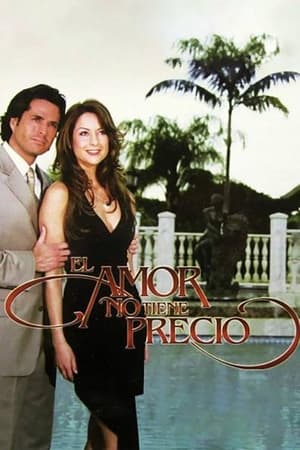
El amor no tiene precio is an American telenovela. It aired in 2005 until the series finale in 2006.
It follows the lives of four housewives and the everyday problems and mysteries that surround their husbands, friends, and neighbors, which are sometimes more sinister than they appear.
Retrato de familia is a Mexican telenovela produced by Lucy Orozco for Televisa and originally broadcast on Canal de las Estrellas from October 23, 1995, to January 19, 1996. Created by Jesús Calzada, the telenovela stars Helena Rojo, Alfredo Adame, Diana Bracho, and Yolanda Andrade. The story is set in Guadalajara and centers on the Mariscal Preciado family. The story follows Cecilia Mariscal, a devoted mother whose troubled marriage to Agustín falls apart, leaving her to rebuild her life. When she falls in love with Dr. Esteban Acuña, she faces unexpected opposition from her own daughter, Elvira, who also becomes obsessed with him. As family rivalries, forbidden love, betrayal, and long-hidden secrets emerge, the Mariscal family's relationships are pushed to the breaking point.
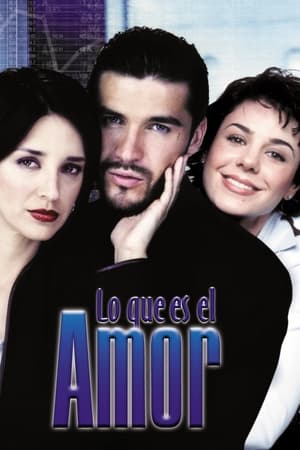
Lo Que Es el Amor
Louco Amor
Sueño de amor
La última esperanza is a Mexican telenovela produced by Eugenio Cobo for Televisa and originally broadcast on Canal de las Estrellas from February 1 to May 14, 1993. It is a remake of the 1973 Mexican telenovela Muñeca, which was itself based on the 1971 Argentine telenovela Así en la villa como en el cielo, created by Abel Santa Cruz. The story follows Estelita Suárez, a kind-hearted young woman who lives in the impoverished neighborhood of La Última Esperanza while caring for her alcoholic father. Her life changes when she meets Daniel Burana, a wealthy young man who disguises himself as a poor resident to win her love. As their romance blossoms, they must confront family greed, corruption, and betrayal while fighting to protect their community from those determined to destroy it.
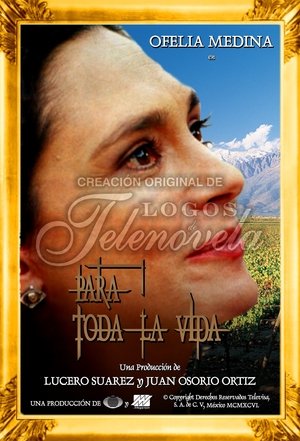
Para toda la vida is a Mexican telenovela produced by Lucero Suárez and Juan Osorio for Televisa, in co-production with Megavisión, and originally broadcast on Canal de las Estrellas from April 15 to August 2, 1996. It is a remake of the 1985 telenovela Vivir un poco, which was itself based on the Chilean telenovela La madrastra by Arturo Moya Grau. The story follows Elena, a woman who is wrongfully convicted of murder during a trip to Chile. After spending fifteen years in prison, she returns to Mexico under a new identity to uncover who framed her, expose the truth behind the conspiracy that destroyed her life, and reunite with the family that believes she died years earlier.
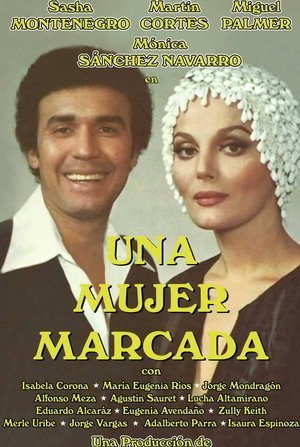
Una mujer marcada
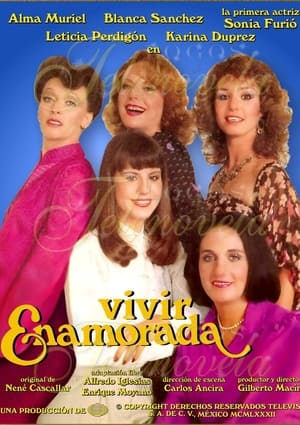
Vivir enamorada
Natalie, a poor but beautiful girl from a humble neighborhood, falls in love with and wins the heart of Victor Afonso—her childhood friend and the son of the city's wealthiest family. Natalie lives with a cruel old woman who forces her to beg to support her, yet also foresees through fortune-telling cards that "The Beast"—as Natalie is known—will one day find happiness and wealth. Believing this fortune is linked to "The Greek," a wealthy man in love with Natalie, the old woman sells her to him—unaware that Natalie and Victor Afonso had secretly married before he left the country for his studies. When the young man's parents discover the truth, they annul the marriage, indifferent to the fact that "The Beast" is pregnant with his child. Supported by her friend—a cabaret performer known as "La Costeña"—and by The Greek himself, Natalie turns her life around and gives birth to twins; however, she has no idea that The Greek intends to exact a price for all his generosity.
A comedy-drama following a chaste young woman who is accidentally impregnated via artificial insemination as she struggles to inform her devoutly religious family and make the right choices concerning the child. Based on the telenovela "Juana la virgen."
Buscando el paraíso is a Mexican youth telenovela produced by Luis de Llano Macedo and Marco Flavio Cruz for Televisa and originally broadcast on Canal de las Estrellas from November 8, 1993, to April 1, 1994. Directed by Benjamín Cann, the telenovela stars Pedro Fernández and Yolanda Andrade, with Karla Álvarez and Alejandro Ibarra in antagonist roles. The story follows Dalia and Andrea Montero Machado, two sisters with very different personalities. While Andrea is confident and charismatic, Dalia is shy and insecure. Dalia secretly falls in love with Ángel, Andrea's former boyfriend, who begins a relationship with her only to hurt her. After being abandoned and discovering she is pregnant, Dalia finds support in Julio, a humble and hardworking young man. However, jealousy, betrayal, and unresolved feelings threaten their chance at happiness.
Carrie Jung lost her husband and child. She now lives only take revenge on those responsible for their deaths. Carrie Jung raises Han Yoo Jin as a tool in her revenge plan. Han Yoo Jin is a smart and beautiful woman, but she falls in love with a man who she should not love.
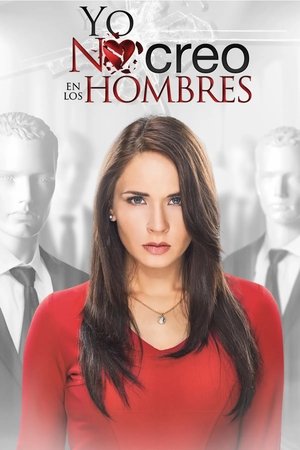
Yo no creo en los hombres (I don't trust men anymore) is a Mexican telenovela produced by Giselle González for Televisa. It is based on Yo no creo en los hombres (1991), produced in México.
The life of a single, carefree man suddenly changes when he has to take care of three nieces.
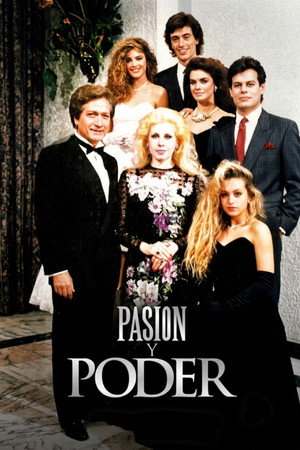
The telenovela revolves around the family dramas and corporate power struggles of two rival families. This rivalry dates back many years to when Arturo Montenegro and Eládio Gómez Luna vied for the love of the beautiful Ana Laura; ultimately, it was Eládio who married her. Years later, Ana Laura is deeply unhappy, enduring her husband's abuse and cruelty; her only solace is the love of her son Federico, who is the complete opposite of his father. Meanwhile, after being widowed, Arturo married the frivolous Nina, with whom he had three children: Rogelio, Ana Karen, and Paulina. Arturo is so consumed by his business affairs that he fails to notice the humiliations Nina and her children—Rogelio and Paulina—inflict upon Pedro, his son from his first marriage.
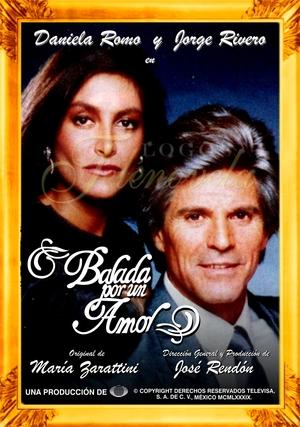
Balada por un amor
El camino secreto
Clarisa is a Mexican telenovela produced by Juan Osorio for Televisa and originally broadcast on Canal de las Estrellas from March 15 to June 11, 1993. Created by Ramón Obón, Lupita Obón, Pilar Obón, and María Teresa García, with literary editing by Dinorah Issak, the telenovela stars Gabriela Roel and Manuel Landeta. Set in the 1930s, the story follows Clarisa González León, a kind-hearted young woman who becomes the target of her ambitious and resentful sister, Elide. After tragedy strikes her family, Clarisa loses her husband and is led to believe that her newborn daughter has died. Years later, determined to uncover the truth, she embarks on a journey marked by love, betrayal, family secrets, and the hope of reuniting with her child.