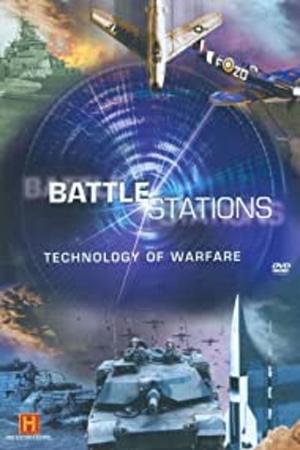
Battle Stations is a documentary series of 1 hour episodes, which uses archive footage, re-enactments and first-hand accounts from the crews, to follow the machines and technology implemented from the Second World War to the Gulf War in the land, air and sea.
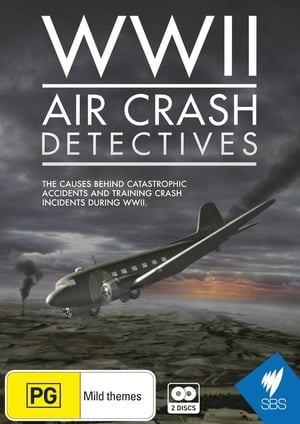
Garth Barnard has a lifelong passion and unshakeable resolve to investigate how thousands of young Airmen from the Second World War died in catastrophic air accidents and training crashes.
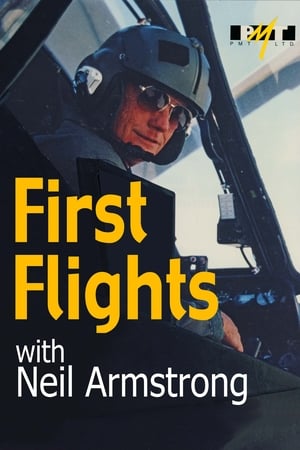
NASA Apollo astronaut Neil Armstrong adds to his long list of space flight & aviation accomplishments as he takes the controls of a variety of flying machines. Each episode blends historic footage, interviews, and flying. Armstrong takes you on an exhilarating adventure through time.
AFP: American Fighter Pilot is a reality series broadcast briefly on CBS in 2002. It followed three Air Force officers as they trained to become pilots of F-15 fighter jets at Tyndall Air Force Base outside of Panama City, Florida. The series included footage of their experiences in the air, as well as interactions with their families and instructors. Directors Tony Scott and Ridley Scott were co-executive producers. Unsuccessful in the ratings, the series was cancelled after two episodes.
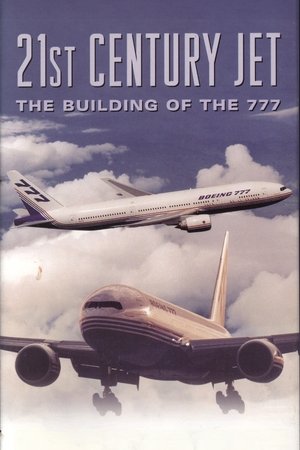
The Boeing Company develops their most technically advanced aircraft: the 777. From corporate conference rooms to factory floors, its extensive testing and first commercial flight, more than 10,000 people were involved in the creation of the new plane, assembled with parts from all over the world.
From the first men in their flying machines to World War One, from the first Atlantic crossing to the supersonic era, this is the story of the most daredevil challenges the world has ever known, braved by the men and women who wrote the history of human flight.
The story of the people building the AVRO Arrow, an advanced jet fighter-interceptor designed to defend Canada's vast territory during the Cold War. Though the jet was an engineering marvel, cost over-runs, U.S. government pressure from the military industrial complex, and the election of the Progressive Conservative Diefenbaker government, stopped the jet just as it was getting off the ground.
Great Planes
Ride along with the NTSB and its inter-agency partners as they work together towards determining the probable cause of aircraft accidents. These NTSB investigations provide a window into the integral role of air travel in Alaskan life, while raising awareness that might prevent future accidents.
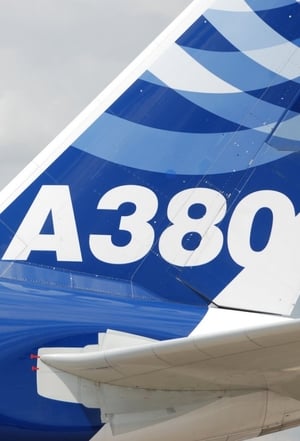
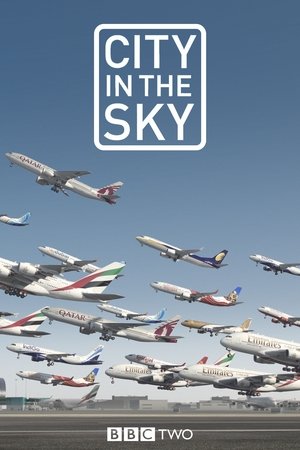
Dallas Campbell and Dr Hannah Fry investigate what it takes to get a million people and their luggage off the ground and up in the air. From building the world's biggest passenger plane to navigating through the busiest airport on the planet, to the perils of getting airborne in the coldest city on earth - Dallas and Hannah go to extremes to get under the skin of the remarkable story of departure. You will never look at flying in the same way again.
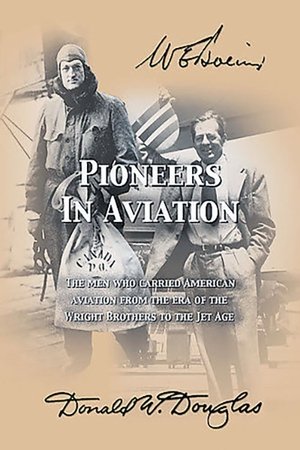
In 1903, not only did the Wright brothers ’plane soar, but a young man named William Boeing stepped out of the Yale University gates. 13 years later, using wood, canvas and wire, the first "Boeing model", the B&W, was born. Boeing has since grown into a huge company and developed countless models, including the 1957-92 passenger jet, the 707. Later, we learn about the Constellation designed by Lockheed in the early 1940s. The fuselage of the machine evokes the graceful form of a dolphin, no wonder that with its beauty it also won the title of "Queen of Heaven". The C-69 was the first model to cross non-stop America, covering the Los Angeles-Washington DC distance in record time of 7 hours and 3 minutes. Connies were used for both military and civilian purposes until the early 1960s. This and many more stories are recounted here in Great Planes.
Discover the excitement of flying as we reveal the most remarkable aircraft ever built and the aeronautical advancements that shaped flying history in Flying Through Time. Audiences will marvel at historic airships, be wowed by war planes and delight at luxury jetliners.
Examining the construction of the massive jet and the engineering and logistical challenges faced by its builders.
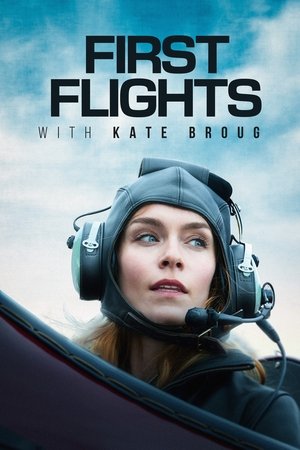
Join pilot and journalist Kate Broug for a global adventure that brings to life the extraordinary individuals and audacious achievements that have defined the world of flight.
Aviation history series which aired on the Discovery Channel family of networks. Originally called Great Planes.
Mighty Planes explores the art and science of aviation, on planes that soar to faraway places on astounding missions. From preparation, loading and take off, through the journey and to the landing and unloading, viewers will experience the high-stakes and high-stress jobs through the eyes and lives of the characters that make it all happen. Featuring the genius of flight technology with the aid of high-end CGI, shot in HD, and recorded in 5.1 surround sound, MIGHTY PLANES captures all the action as it happens.
Airline is an American reality television series that showcases the daily happenings of passengers, ground workers and on-board staff members of Southwest Airlines. The series debuted on January 5, 2004 on A&E and ran for three seasons.
Concorde is a two-part documentary telling the story of the supersonic passenger jet.
Historian Dan Snow relives the story of a crack team of 133 young airmen whose mission is to destroy the great dams of Germany in World War Two using a revolutionary new bouncing bomb.
Reaching for the Skies was an aviation documentary TV series made by BBC Pebble Mill in association with CBS Fox. The first episode was transmitted in the United Kingdom on 12 September 1988 and in the US in 1989. Narrated by British actor Anthony Quayle, and by Robert Vaughn for its American and International releases, It was divided into 12 programs. The series producer was Ivan Rendall. Music used was mainly sourced from KPM Musichouse.