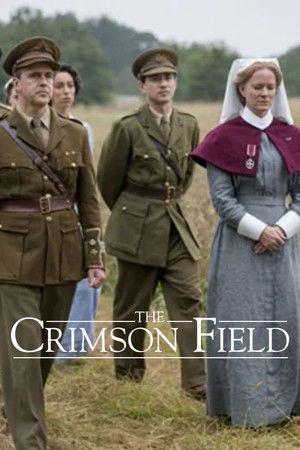
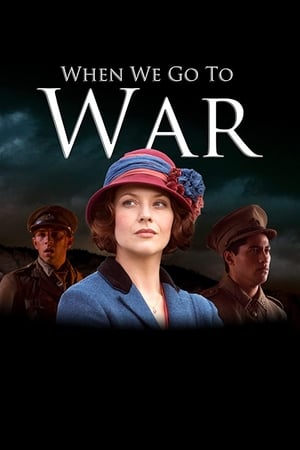
A young woman in rural Scotland faces hardship after hardship as she struggles to keep her family farm going through personal losses and the devastation of World War I.
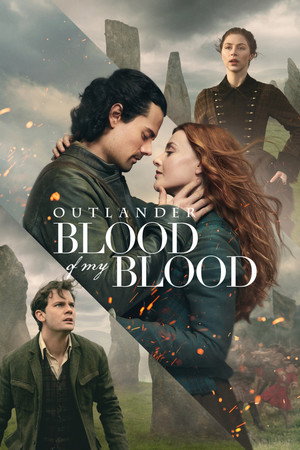
From the battlefields of World War I to the rugged Highlands of 18th century Scotland, two fated couples must defy the forces that seek to tear them apart, unfolding in surprising and unforeseen ways in this romantic saga that unfolds across time.
When war broke out in Europe in 1914, most people thought the conflict would be over by Christmas; they could not imagine how wrong they were. An attack in Sarajevo ended up becoming a snowball that swept the world: a new kind of warfare had begun, waged with techniques and means never seen before. By November 1918, ten million people had died and the political map of the planet had been redrawn.
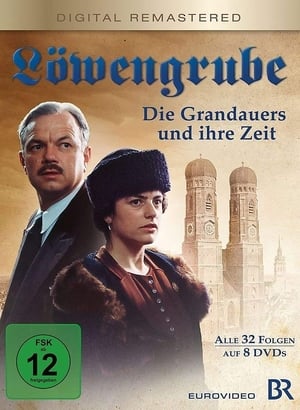
"Löwengrube – Die Grandauers und ihre Zeit" is a German television series first aired between 1989 and 1992, created by Willy Purucker and directed by Rainer Wolffhardt. It is set in Munich and follows the lives of Ludwig Grandauer and his son Karl, both policemen, covering the years from 1897 to 1954. The TV show is based on Purucker's radio play series Die Grandauers und ihre Zeit (‘The Grandauers and their time’). The series’ main title "Löwengrube", meaning ‘Lions’ Den’, refers to the address of the Munich Police Headquarters inaugurated in 1913.
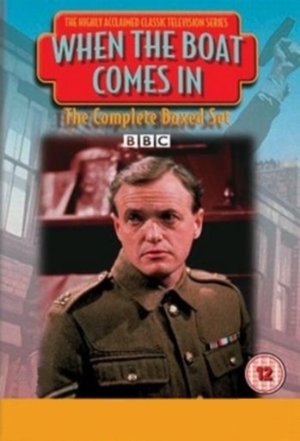
When the Boat Comes In is a British television period drama produced by the BBC between 8 January 1976 and 21 April 1981. Taking place between 1919 to 1937, Jack Ford is a veteran of The Great War who returns to his poverty-stricken (fictional) town of Gallowshield in the North East of England. It dramatises the interwar political struggles of the 1920s and 1930s, and explores the impact of national and international politics upon Ford and those around him.
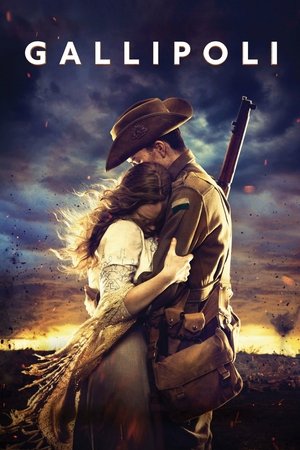
As dawn breaks on April 25, 1915, ANZAC troops go into battle on the beaches of the Gallipoli peninsula. Landing in the dark chaos, Tolly, Bevan and their mates struggle to establish a tenuous foothold on the treacherous slopes and deep ravines. They endure the next eight months on the peninsula learning lessons of survival. By the time of the final evacuation they have also learned the skills of combat and what it means to be a young man in war.
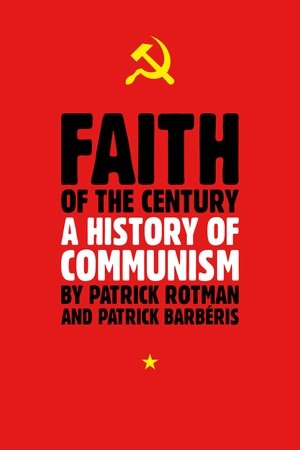
Communism spread to all of the continents of the word, lasting through four generations and over seven decades. Hundreds of millions of men and women were affected by this political system, one of the most unjust and bloodiest in history. Using newly discovered propaganda films and archival photos, these four episodes explore the mysteries of this totalitarian political machine that lured its share of important followers into the fold. Known as the red church, communism seduced its ardent followers like some earthly religion.
In 1915, Rati returns to Siam and finds connection with Thee, the heir to a wealthy and powerful family, which seeks to sabotage the relationship.
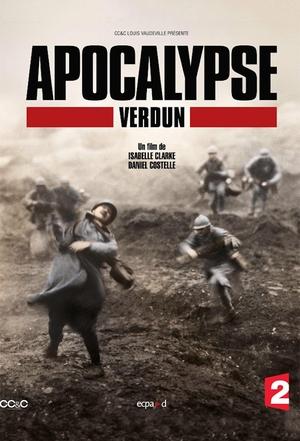
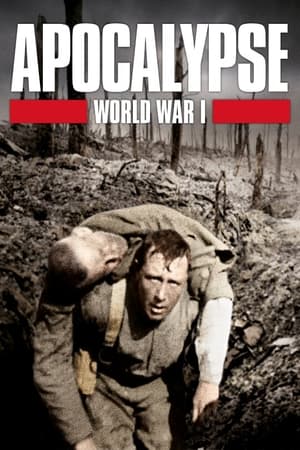
February 1916. World War I has been raging for two years and has killed over three million people, neither side gaining the upper hand. The Germans mobilize more artillery and men in Verdun than in any other offensive -- for three hundred days -- but the French hold out. Constructed from over five hundred hours of restored, colorized archival footage.
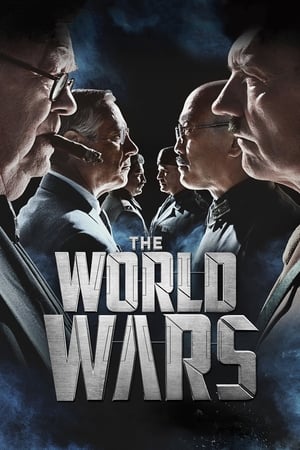
The story of three decades of war told through the eyes of various men who were its key players: Roosevelt, Hitler, Patton, Mussolini, Churchill, Tojo, DeGaulle and MacArthur. The series examines the two wars as one contiguous timeline starting in 1914 and concluding in 1945 with these unique individuals coming of age in World War I before ultimately calling the shots in World War II.
In a tented field hospital on the coast of France, a team of doctors, nurses and women volunteers work together to heal the bodies and souls of men wounded in the trenches.
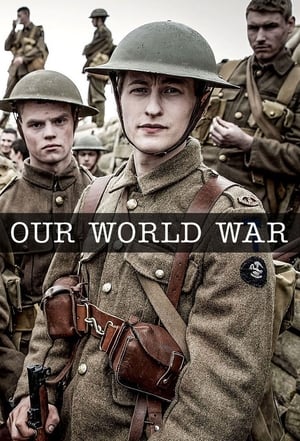
Our World War is a gripping factual drama series offering viewers first-hand experience of the extraordinary bravery of young soldiers fighting 100 years ago. Drawing on real stories of World War One soldiers it uses the visual techniques and imagery familiar from modern warfare – POV helmet camera footage, surveillance images and night vision – to immerse the BBC Three audience in life on the Western Front. Each episode is closely based on first-hand testimony, interviews and memoirs that reveal often hidden and sometimes disturbing aspects of the combat experience.
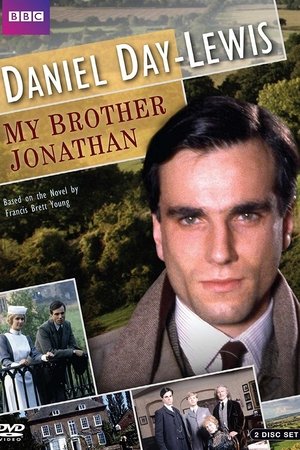
Chronicles the lives of brothers Jonathan and Harold Dakers, in the Black Country, focusing on their close bond and the challenges they face, particularly during World War I.
Colorized historical footage in ascending order of World War 1. Not only the relatively known Flanders and France battles, but also the generally unknown Italian-Austrian, German-Polish-Russian, Japanese-German, Ottoman Empire- Allied and African German Colonies, and other unknown or forgotten fronts and battles.
The unique, and rarely told true stories of Australian and New Zealand nurses serving at Gallipoli and the Western Front during the First World War.
At the outbreak of World War I, two teenage boys - one German and one British - defy their parents to sign up. An epic historical drama spanning the five years of the First World War, as seen through the eyes of two ordinary young soldiers.
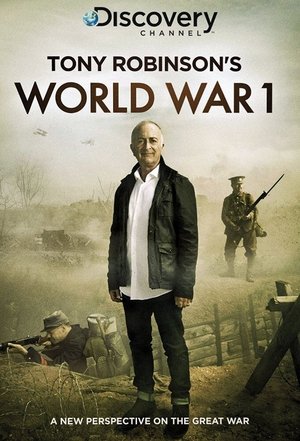
Sir Tony Robinson, the history presenter and former Black Adder star, tells the story of the Great War. How it started, how it changed the world and how it finished with a 100 day flourish of military brilliance, which finally put an end to four years of incompetence and slaughter. With the aid of hundreds of amazing archived 3D images of the Great War which chronicle WWI from start to finish and breathe new life into the story, Tony Robinson's World War I allows modern audiences to see the war in a completely new way. Robinson will also show how the Great War changed British people for generations to come – liberating large portions of the working class, powering the rise of the Labour party and breaking the old ties of service to the aristocracy.
A historical saga, it tells the story of six young men and women who, in 1914, are full of plans and dreams for the future. Cutting between life at home, Gallipoli and Egypt, this spectacular drama begins in a time of optimism and hope, on the eve of war.
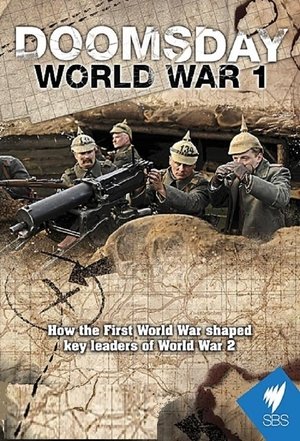
The First World War - carnage on a scale never-before seen. But how did it all start? And how did some key figures of WWII fare in the earlier war?
A chronicle of three working-class Manchester lads and their descendants spanning from 1877 to the onset of the Second World War. Hamer Shawcross' youthful socialist zeal soon converts to personal ambition, exploiting the Labour movement to become an MP, marrying well and eventually entering the House of Lords. Arnold Ryerson is the sensitive and courageous pioneer of Trade Union growth. Tom Hannaway is a perky opportunist who progresses from rag-and-bone man to tycoon and a knighthood following his own self-help philosophy.