Hitler was determined to extend Germany eastwards to make Germany a great continental power. Hitler's policy, based on a racist ideology, planned to eliminate or enslave the population that stood in the way of the Reich. It was this determination that propelled the world into war. Hitler believed that the conquest territories including Poland, the Belarussian and Ukrainian Soviet Socialist Republics, and the Baltic States "for the German people" was his destiny.
Six one hour episodes each focusing on a key individual that traces the trajectory and design of Hitler’s thousand year Reich. From the beer halls of Munich to the horrors of the Final Solution, these individuals were truly Architects Of Darkness of the Nazi Third Reich.
A candid look at what life was really like for those living in, and under Hitler's Swastika - at home - and abroad, a record not only of what they saw, but of what they knew.
Historian James Holland goes inside the Nazi war machine, exploring the extraordinary weapons produced under the Third Reich, in a series that includes rare archive material
A close look at the engineers who designed powerful military technology for the Nazis and who also encouraged a technological revolution that would forever change warfare.
The SS was the Nazi state’s instrument of domination and oppression, responsible for the intelligence services and the police. The SS committed a horrific range of atrocities, including the Holocaust, the persecution of political opponents, and brutal war crimes. Millions of people were victims of the Schutzstaffel, and many of the perpetrators were unrepentant to the end. This six-part documentary provides a comprehensive overview of the SS, describing how a small group of thugs rose to become the most feared organ in the Nazi state. With the help of international experts, the film examines common myths about the organisation. Interviews with eyewitnesses and unapologetic perpetrators take us closer to the psyche of the SS supporters in an attempt to make the inconceivable comprehensible.
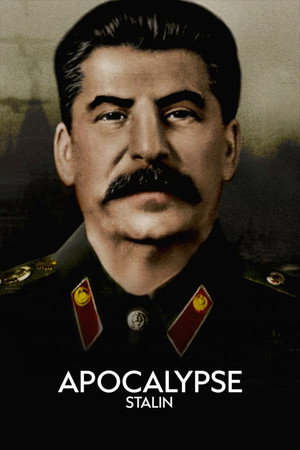
Adolf Hitler (1889-1945) was a mediocre who rose to power because of the blindness and ignorance of the Germans, who believed he was nothing more than an eccentric dreamer. But when the crisis of 1929 devastated the economy, the population, fearful of chaos and communism, voted for him. And no one defended democracy. As the dictatorship extended its relentless shadow, the leader claimed peace, but was preparing the Apocalypse.
Nuremberg: Nazis on Trial, is a BBC documentary film series consisting of three one-hour films that re-enact the Nuremberg War Trials of Albert Speer, Hermann Göring and Rudolf Hess. They were broadcast on BBC Two in 2006 to coincide with the 60th anniversary of the trials.
Justice Robert H. Jackson leads Allied prosecutors in trying 21 Germans for Nazi war crimes after World War II.
The powerful real-life story of Lali Sokolov, a Jewish prisoner who was tasked with tattooing ID numbers on prisoners' arms in the Auschwitz-Birkenau concentration camp during World War II.
Adolf Hitler caused the deaths of fifty million people. An entire nation followed him to ruin. Over a tumultuous 12 years Adolf Hitler went from being a minor rabble-rousing politician, to supreme leader of Nazi Germany. He was hated by those he persecuted, and even by some of his own commanders - yet in twenty-five years no one managed to kill him. This program shows how Hitler's bodyguards helped him cheat death on many occasions. They expanded from a handful of thugs recruited to protect political meetings and fight opponents on the streets, to many thousands - including some of the most fearsome secret police and paramilitary forces the world has ever known.
This gripping docuseries examines Adolf Hitler and the Nazis' rise, rule and reckoning from pre-WWII to the Holocaust to the Nuremberg trials.
As shown on TV, Nazi Collaborators explores the fascinating and often shocking tales of how individuals from all walks of life: the privileged; the political elite; ordinary working men; turned against their nations and races to fight alongside the Nazis during World War 2. Many did it for financial gain, others for the promise of elevated status. Some believed that siding with imperialist Germans offered the best chance of survival for their people, whilst others later claim they would be killed if they refused.
No other person in the twentieth century has triggered more discussions among biographers and historians than Adolf Hitler. More than 120.000 books and articles on the dictator that have appeared in the past 50 years have documented the full extent of the most horrible crimes in history that were committed by him and his followers. Developed with the assistance of internationally renowned historians, using newly discovered documents, films, sound recordings and interviews with eye-witnesses, relatives, and victims, 'Hitler - A Profile' is the first comprehensive television portrait of the German dictator. Each episode focuses on one character aspect of the man who plunged an entire nation into collective madness and unparalleled savagery.
It is customary to give every new government 100 days to draw an initial summary of its work, its successes, its failures, its prospects. A “grace period” that also applied to Chancellor Adolf Hitler. However, he uses them more radically for his goals than anyone before him. This is what this series tells about – as a canon of contemporary voices. Diary entries from all over Germany document different perspectives, perceptions and very private things. How can a civilized country, a democratic state, turn into a brutal dictatorship in just a few weeks?
Based on extensive interviews, shot on 16mm in a series of static long takes, Filmemigration aus Nazideutschland, is one of the most fascinating examples of "Film history on film" ever produced. Straschek devoted years to researching the topic and accumulating both film and non-film materials. Apart from some radio features and articles, however, this 290-minute TV programme remains the only published trace of Straschek's lifelong work on the emigration of film personnel. He had intended to publish a three-volume book, encompassing all available data about 3,000 emigrants originating from the centre and peripheries of film production, but the book never materialised.
An analysis of the life of German officer and physician Josef Mengele, exploring his youth and studies, his adherence to Nazism, the inhumane experiments conducted at Auschwitz, and the connection between Nazism and the German academic system.
The story of the last year of the war in Europe, from the D-Day landings in Normandy in June 1944 to the dual German surrender, first in Reims then Berlin, in May 1945. Eleven months of unprecedented combat.This was the deadliest year of WW2.
The rise of Stalin, from his early beginning as a bankrobber to the cold-blooded leader of the Soviet Union.
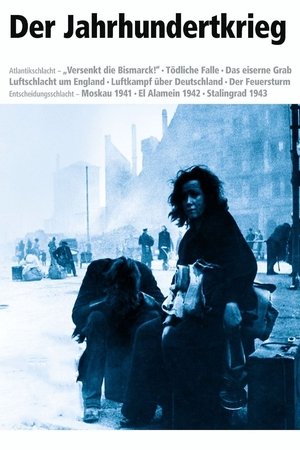
Der Jahrhundertkrieg