我家老板
Entrepreneur Eric Collins offers his expertise, unrivalled business acumen and his own capital investment to small, struggling British businesses, to help turn their fortunes around.
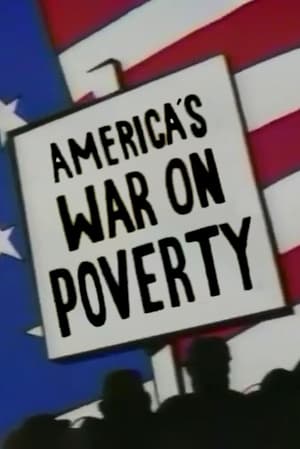
In the midst of unprecedented national prosperity in the 1960s, poverty was "rediscovered" by American policy makers, media and the public. This series examines how the poor fared during these years and the resultant evolution of foundation and public sector programs addressing the challenges of poverty.
Fin de mois
The specter of drug trafficking haunts Europe. Struggling with ultra-violent criminal groups that control the vast majority of cocaine trade, European police forces are overwhelmed. The epicenter of all this trafficking: the Netherlands. A nation at the forefront of international trade and drug policy. This two-part film delves into the origins of European drug trafficking through the unique history of the Kingdom of the Netherlands.
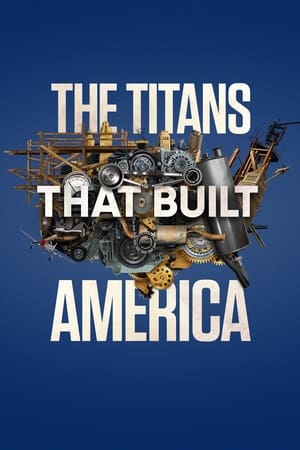
Out of the ashes of World War I, a new generation of titan rises…Pierre Du Pont, Walter Chrysler, J.P. Morgan Jr., Henry Ford, and William Boeing. Their fight to reach the top will transform America as they compete to dominate new industries—from the highways to the skyways. After years of fighting each other, and FDR, these rivals must unite during World War II to defeat a greater enemy and save the world.
A weekly Emmy-nominated television program dedicated to educating, entertaining and connecting the community to the engaging stories and people behind their food by profiling local food treasures and highlighting the passionate and hardworking individuals responsible for the burgeoning “Good Food Movement.”
A young couple with a dream seek to build the world's first legal marijuana empire.
A series of films which ask what it means to live in poverty in the 21st Century.
Pandora's Box is a six-part 1992 BBC documentary television series which examines the consequences of political and technocratic rationalism. The episodes deal, in order, with communism in The Soviet Union, systems analysis and game theory during the Cold War, economy in the United Kingdom during the 1970s, the insecticide DDT, Kwame Nkrumah's leadership in Ghana during the 1950s and 1960s and the history of nuclear power.
Covering the ancient world through the age of technology, this illustrated lecture by Eugen Weber presents a tapestry of political and social events woven with many strands — religion, industry, agriculture, demography, government, economics, and art. A visual feast of over 2,700 images from the Metropolitan Museum of Art portrays key events that shaped the development of Western thought, culture, and tradition.
Economic talk-show / documentary. Each episode focuses on a single entrepreneur and features a reportage explaining their work, as well as studio discussion with the guest.
The only program on brazilian tv dedicated only to international subjects, Sem Fronteiras explains what happens around the world
Three part documentary series about the discovery and exploitation of North Sea oil and its political and economic consequences.
The documentary questions how modern urban people respond to the ecological collapse the planet is experiencing. Expert academics in the field reveal whether the current economic order is ecologically sustainable.
Lenny Henry, Samantha Womack, Reggie Yates and Angela Rippon experience unimaginable poverty as they spend a week living it for real in this ground-breaking, two-part documentary for Comic Relief.
This docuseries travels deep into the heart of the food supply chain to reveal unsavory truths and expose hidden forces that shape what we eat.
Six Atlanta-based entrepreneurs receive business advice and identify new opportunities to sharpen their “game plan” from NBA legend Shaquille O'Neal and some of his successful celebrity friends.
In Free Market Economics, Dr. David Henderson guides us through ten foundational pillars of economic wisdom and the major schools of thought—Austrian, Chicago, UCLA, and Public Choice. Along the way, we explore how markets coordinate through decentralized knowledge, property rights, and voluntary exchange, and why central planning so often falls short. Drawing on vivid historical cases—from the Soviet economic collapse to West Germany’s postwar miracle—the course brings core ideas like subjective value, spontaneous order, and entrepreneurial discovery to life. Ultimately, it shows how economic freedom and open inquiry fuel innovation and prosperity, while government intervention frequently produces unintended consequences and inefficiencies.
Half-hour program on the "real-life adventure" of big business. Newsman Eric Sevareid, who served as host, described the series as neither "chamber of commerce boosterism" nor anti-establishment; rather, "an effort to report how various industrial sectors actually work."