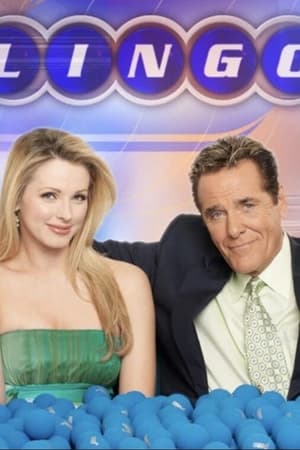
The second version of the American television game show.
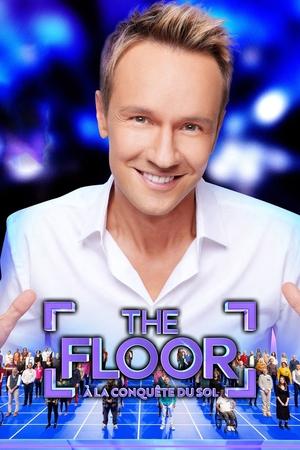
The Floor, à la conquête du sol
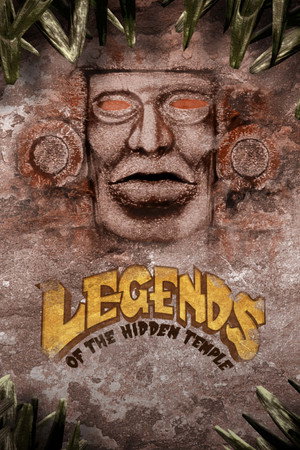
In a Temple filled with lost treasures and protected by mysterious Mayan temple guards, six teams of two children compete to retrieve one of the historical artifacts in the Temple by performing physical stunts and answering questions based on history, mythology, and geography. After three elimination rounds, only one team remains, who then earns the right to go through the Temple to retrieve the artifact within three minutes and win a grand prize.
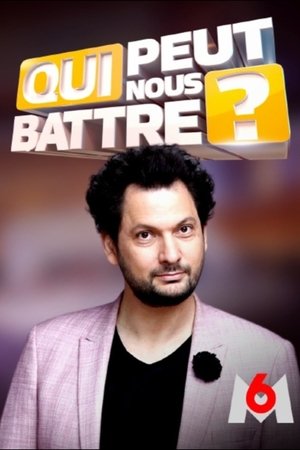
Qui peut nous battre ?
Tjuv och polis
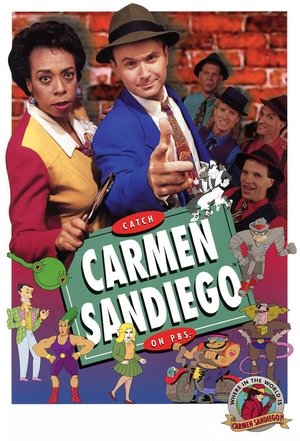
A game show based on the Carmen Sandiego computer game series created by Brøderbund Software.
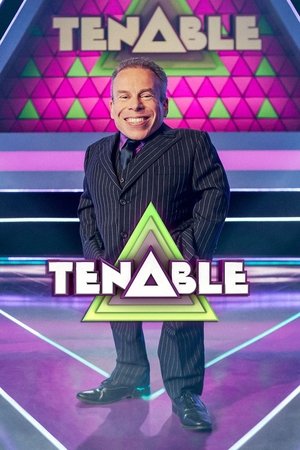
Five contestants attempt to answer top 10 list questions for the chance to win a big cash prize.
Storybook Squares is a short-lived Saturday morning version of Hollywood Squares for children. The primary difference, apart from having children as contestants, was that it featured celebrities in costume as well-known fictional characters and some as historical figures. As with the adult version, Peter Marshall was host and Kenny Williams was announcer; Williams read the characters' names off a scroll as "The Guardian of the Gate", a role similar to his "Town Crier" on Video Village. The series originally ran on NBC from January 4 to April 19, 1969, with repeats airing until August 30.
Leo, June, Quincy, and Annie enjoy music and art, but they enjoy being together and having fun even more. From getting trapped in the mall to being flung across the world, the Einsteins know that together anything is possible!
The close-knit Ingalls family builds a new life on the Western frontier, where the joys of nature and the struggle for survival are deeply intertwined.
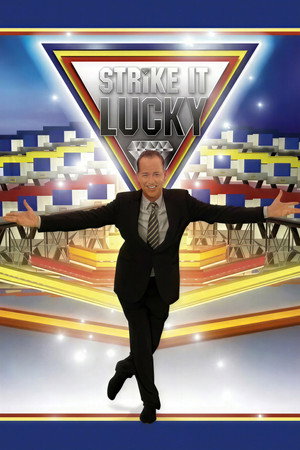
Strike it Lucky was a popular British television game show from 29 October 1986 to 23 August 1999, originally produced by Thames Television for ITV, and presented by the British comedian Michael Barrymore. It was based on the American show of the same name that aired in 1986. In its formative years, it became well known for the outlandish and often highly eccentric contestants it featured - Barrymore would often spend over 5 minutes talking to them. The introductory footage of the prizes on offer were also noteworthy, often filmed in black-and-white with a slapstick style. In 1987, it was the fifth most watched programme on UK television. The Thames Television version of the show was recorded at Teddington Studios, and later Pinewood Studios. From 1996, the new version aired under the title Strike it Rich!; this being the title of the short-lived American game show Strike it Rich! on which it was based, and it moved to The London Studios. The reason for the name change was that the show was now being co-produced by LWT with Fremantle, so despite now being owned by the same company as Fremantle, Thames were unwilling to allow LWT use of the original title. There is also the factor that when the show was first exported to the UK, the Independent Broadcasting Authority's prize limits were still in place, and "Rich" was probably dropped from the title because of the relatively low value of prizes on offer; by the time it returned as Strike it Rich! the limits had been lifted and it was giving away a substantially higher value of prizes.
Adventure gameshow where four plucky school kids race through the ‘jungle’ tackling fiendishly tricky puzzles and challenges. But, they best beware for there are traps around every corner.
Get Your Own Back was a British children's game show, which ran from 26 September 1991 to 31 March 2003. It has been presented throughout by Dave Benson Phillips with the addition of Lisa Brockwell as a co-host from 2001 to the programme's end in 2003.
Join adorable kitten Oggy and his cast of cat pals in a bright and colorful kitty world. They're always on the go for fun times and fantastic adventures!
Hosted by comedian Christopher Titus, the half-hour game show Pawnography features contestants competing against each other and the Pawn Stars—Rick Harrison, Corey Harrison and Austin “Chumlee” Russell—in three fast-paced rounds of trivia style questions to win money and coveted items from the World Famous Gold & Silver Pawnshop. Rick, Corey and Chumlee are featured in each episode vigorously defending their treasured items from confident and brainy contestants. The cherished items up for grabs are from Rick’s personal collection and he doesn’t want to give them up–this is the only game show that doesn’t want the contestants to win! Will a lucky contestant be able to stump the man who knows everything or will Rick prevail and walk away with his money in his pocket and his prized possessions intact?
50/50 was a British children's game show that was broadcast on BBC1. It was broadcast from 7 April 1997 to 12 July 2005. Two schools in the UK put forward 50 students, each child given a number from 1–50 which they wear during the show, before each round a random number generator picks which students will take part in the next game. The t-shirt colours were originally green and orange but this was changed to blue and yellow. They sit opposite each other in raised seating while the game takes place in between them. Most of the children will not get an opportunity to play in a game, but there are question rounds and observation rounds where points are won by the number of correct answers. The games usually consist of inflatable obstacle courses similar to those found in Get Your Own Back, Fun House and Run the Risk.
A game show set and filmed on the real Fort Boyard in France. The contestants have to complete in physical and endurance challenges to win prize money.
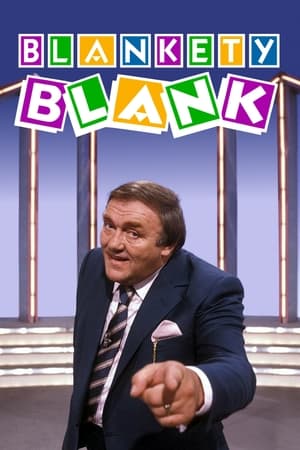
Blankety Blank is a British comedy game show based on the 1977–1979 Australian game show Blankety Blanks. The British version ran from 18 January 1979 to 12 March 1990 on BBC One, hosted first by Terry Wogan and later by Les Dawson. Regular members of the celebrity panel on this version included Kenny Everett, Lorraine Chase, Gareth Hunt, Gary Davies, and Cheryl Baker. A revival fronted by Lily Savage was produced by the BBC from 26 December 1997 to 28 December 1999, followed by ITV from 7 January 2001 to 10 August 2002. This version was produced by Grundy, then Thames.
Games World was an entertainment video games show that was broadcast on Sky One each weekday from 1 March 1993–2 October 1998. The overall concept of Games World was similar to GamesMaster.