Explore six of the last untouched locations on earth. The documentary series presents life as nature intended, following the unique way wildlife has adapted to these environments and continues to rise to new challenges over the course of a year.
Life's extraordinary journey to conquer, adapt and survive on Earth across billions of years comes alive in this groundbreaking nature docuseries.
Discover the stories beneath the surface of the water in this stunning nature documentary series, which explores each of the Earth's five oceans.
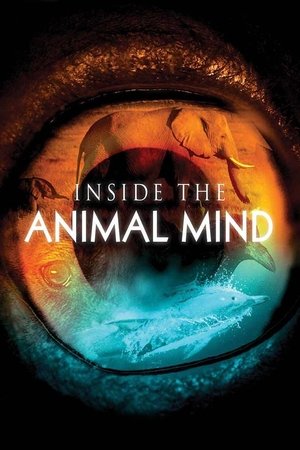
This stunning nature series narrated by Cate Blanchett explores the intelligence, resourcefulness and interconnectedness of life on our planet.
Travel the entire length of the Sky, the world’s highest major river, as it flows from the Himalayan mountains down to the Indian Ocean, passing Asia’s biodiversity hotspots and affecting more than a billion people along the way.
Witness the remarkable story of our universe over billions of years and its inextricable link to life on Earth in this sweeping documentary series.
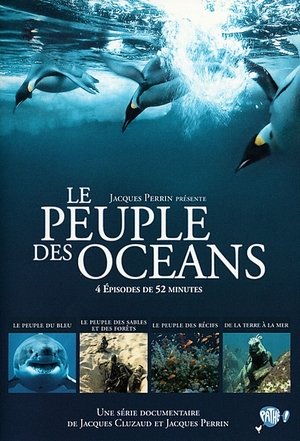
A four-part documentary series on ocean life around the world.
The four-part series takes an awe-inspiring look at the world around us, shot with ultra-high-definition cameras that capture sweeping panoramas and extraordinary close-ups of Canada’s majestic terrain and diverse species.
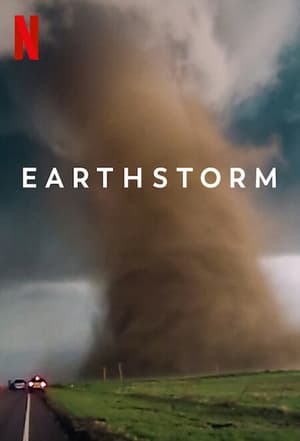
Storm chasers, survivors and first responders recount their harrowing experiences with volcanoes, tornadoes, hurricanes and earthquakes.
See It Now is an American newsmagazine and documentary series broadcast by CBS from 1951 to 1958. It was created by Edward R. Murrow and Fred W. Friendly, Murrow being the host of the show. From 1952 to 1957, See It Now won four Emmy Awards and was nominated three other times. It also won a 1952 Peabody Award, which cited its
Coast Australia follows renowned Scottish archaeologist and historian Neil Oliver on his very first trip to Australia, as he and a diverse group of co-hosts gather stories about our spectacular coastline: the history, the people, the archaeology, the geography and the marine life, investigating interesting and little known facts along the way. Oliver’s co-hosts, all experts in their field, are journalist and Australian arts and culture specialist Miriam Corowa, environmentalist Professor Tim Flannery, marine scientist Dr Emma Johnston, anthropologist Dr Xanthe Mallett and television presenter and landscape architect Brendan Moar.
Three-part series that looks at a year in Alaska, revealing the stories of pioneering Alaskans, both animal and human, as they battle the elements and reap the benefits of nature's seasonal gold rush.
A fresh look at humankind’s relationship to the planet’s wildest places and most fascinating species. Using advanced filming techniques, this series will provide visuals as stunning as the best natural history programs. Distinguishing itself from nearly all other nature films, however, the series turns the cameras around, showing the world as it really is—with humans in the picture.
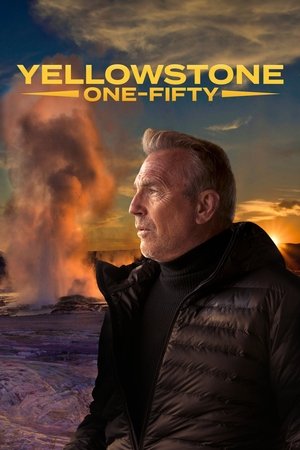
Bill Pullman introduces and narrates this four-part documentary on the world's first national park, Yellowstone.
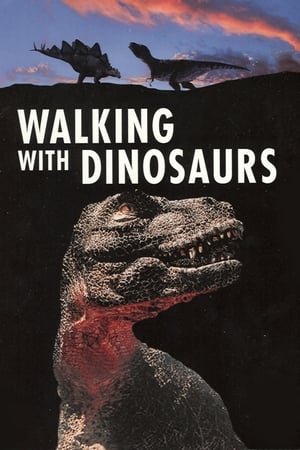
Experience the wonders of our world like never before in this epic series from Jon Favreau and the producers of Planet Earth. Travel back 66 million years to when majestic dinosaurs and extraordinary creatures roamed the lands, seas, and skies.
Un monde nouveau
A follow-up to the 1990 Radio 4 series in which the late Douglas Adams and Mark Carwardine travelled around the world in search of endangered species. 20 years later Stephen Fry and Mark Carwardine go back to see what has become of the animals in two decades, and to discover what has affected their fortunes.
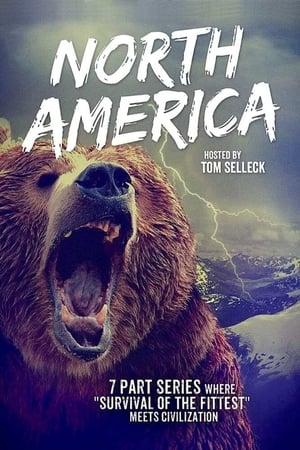
The seven episodes explore North America: where civilization collides with untamed wilderness. Just feet beyond our own backyards rages a spectacle we never see. Join us as we step into this hidden world teaming with life - across impossible mountains and endless deserts. Dive into unexplored forests and crash into rugged coasts. This vast continent offers boundless rewards for those brave enough to take on this land - and call her home.
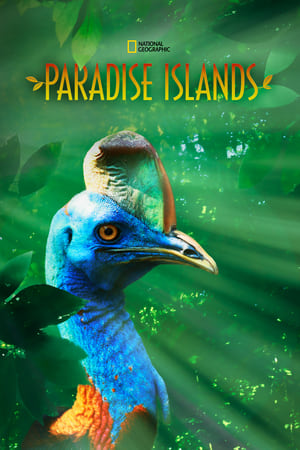
The tropical islands that lie between Asia and Australia are among the biologically richest on earth, and home to a vast number of plants and animals. From tree kangaroos to tarsiers, manta rays to mudskippers, the region abounds with life. But why? The answer lies deep in time, due to the many millions of years these islands have existed - and the power of the earth, the sun and the moon.
This documentary series about plants is the first immersive portrayal of an unseen, inter-connected world, full of remarkable new behaviour, emotional stories and surprising heroes in the plant world. Planet Earth from the perspective of plants.