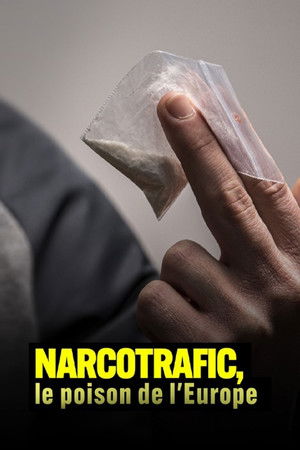
The specter of drug trafficking haunts Europe. Struggling with ultra-violent criminal groups that control the vast majority of cocaine trade, European police forces are overwhelmed. The epicenter of all this trafficking: the Netherlands. A nation at the forefront of international trade and drug policy. This two-part film delves into the origins of European drug trafficking through the unique history of the Kingdom of the Netherlands.
Benoit chez les Belges
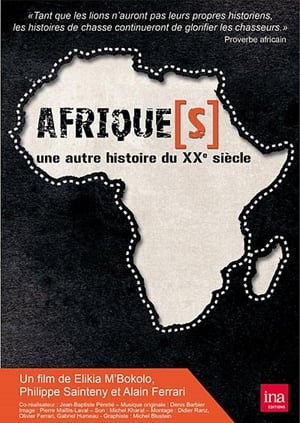
Afrique(s), une autre histoire du XXème siècle
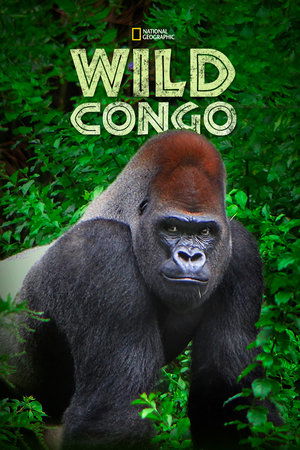
The Congo: more powerful and dangerous than any other river, yet a sanctuary and home for some of the most wonderful creatures on our Earth.
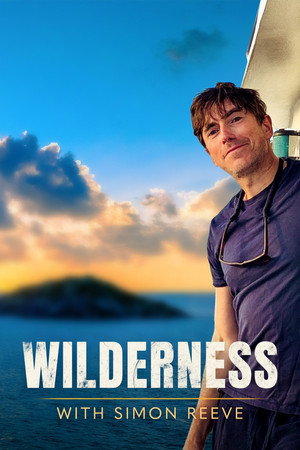
On his toughest journeys yet, Simon Reeve travels through some of the most remote landscapes on Earth in search of the people and the wildlife of the planet’s greatest wildernesses.
The history of decolonization from the point of view of colonized peoples, an epic story that still resonates and reverberates to this day.
Exploring the remote rainforests of the Congo and meeting the tribes that live there. Ben Fogle experiences the vibrant culture that makes the country the 'beating heart of Africa'. Ben arrives in the capital Brazzaville where he prepares for a two-day journey into the wilderness to visit one of the longest-surviving cultures in the world, the Mbendjele BaYaka tribe living deep in the jungle in traditional huts made from leaves
De Volksjury
In the online documentary series Labels, VRT NWS reporter Yassine Atari (23) visit young people who get a "label". Yassine talks with them about the prejudices, clichés, and labels. Yassine finds out what drives them, what makes them happy, what makes them sad.
Drug trafficking was invented by a state: the United Kingdom. In the 19th century, the British Crown flooded China with opium to replenish its coffers. From the very beginning, opium, heroin and cocaine became political instruments in the hands of states. Great powers, pharmaceutical companies, banks and intelligence services all played a role in the spread of drugs and in the emergence of the world’s largest criminal organizations. From the Opium Wars to the birth of the French Connection, from the hippie years to the rise of the great drug barons, from Escobar to El Chapo, from the mountains of Afghanistan to Wall Street, a political history of drugs takes shape.
An exclusive insight into the work and recruitment of the special units of the Belgian Federal Police. Through testimonies and reconstructions, 'Under the Radar' also takes a closer look at a number of striking operations from the past.
Superflics belges
Moi, Belgique
Arnout Hauben travels in the wake of forgotten Belgians who once made a miraculous journey.
En toen was er new wave
Straight through Belgium is a 4-part adventurous television show, created by television-creator Arnout Hauben. Together with Philippe Niclaes (camera) and Ruben Callens (drone and sound) Hauben follows the GR129, the longest signposted hiking-trail in Belgium. The trail is 500 kilometers long and goes all the way through Belgium from Bruges to Aarlen. Arnout, Philippe and Ruben go "back to basics" for this show and travel with backpack and tents. They complete the trail in 23 days, travelling about 20 km per day. Along the way, Arnout Hauben stops at several special locations with each its own story. He tells stories about Belgian history, but also about lesser-known "petites histoires".
Congo is a 2001 BBC nature documentary series for television on the natural history of the Congo River of Central Africa. In three episodes, the series explores the variety of animals and habitats that are to be found along the river’s 4,700 km reach. Congo was produced for the BBC Natural History Unit and the Discovery Channel by Scorer Associates. The series writer/producer was Brian Leith and the executive producer was Neil Nightingale. Series consultants were Michael Fay, Kate Abernethy, Jonathan Kingdon and Lee White. Little filming was possible in the Democratic Republic of the Congo which encompasses the vast majority of the river's watershed. The reason for this is that the Second Congo War was underway during filming. The series forms part of the Natural History Unit's Continents strand and was preceded by Andes to Amazon in 2000 and Wild Africa later that year in 2001.
Décoloniser l’histoire
We have been colonised by the machines we have built. Although we don't realise it, the way we see everything in the world today is through the eyes of the computers.
The dramatic inside story of 6 November 1956, the final day of the Suez Crisis. A day that changed Britain forever. Exactly as it happened - hour by hour, minute by minute.