Topa ou Não Topa is the Brazilian version of Deal or No Deal, broadcast in Portuguese by SBT. It is hosted by Silvio Santos. There are 26 cases, containing amounts from R$ 0.50 to R$ 1,000,000. On August 25, 2010, the gameshow returned and the host is Roberto Justus but in similar set to the old version. Like most sets of Brazilian versions of US game shows, their set and graphics are a dead ringer to the American counterpart. The R$1,000,000 grand prize was won by a man named Paulo in April, 2007.
Teams of master magicians create and perform original magic routines using random props.
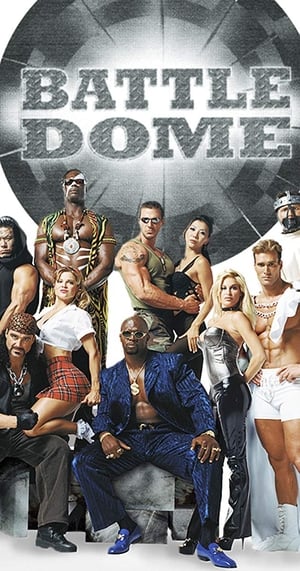
Battle Dome was a syndicated American television series that aired from September 1999 to April 2001. It combined elements of American Gladiators - inspired athletic competition with scripted antics more reminiscent of professional wrestling. Recurring character-athletes known as "Warriors" competed against weekly contestants in a variety of physically demanding events. The series was filmed at the Los Angeles Sports Arena and produced by Columbia TriStar Television. The entire first and second season of Battle Dome is available for purchase on iTunes and Amazon Instant Video.
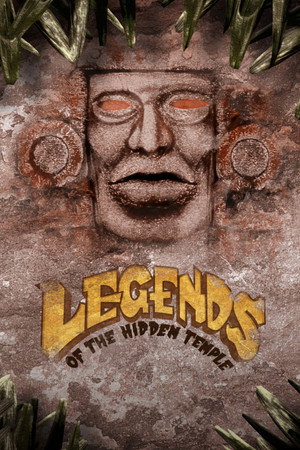
In a Temple filled with lost treasures and protected by mysterious Mayan temple guards, six teams of two children compete to retrieve one of the historical artifacts in the Temple by performing physical stunts and answering questions based on history, mythology, and geography. After three elimination rounds, only one team remains, who then earns the right to go through the Temple to retrieve the artifact within three minutes and win a grand prize.
One of the most exciting and iconic sports entertainment gameshows in the world, Gladiators, is making a triumphant arrival in France.
The Mask Singer is a Thai singing competition program presented by Kan Kantathavorn. The contestants are broken up into four groups, each group containing 8 masked celebrities. Each episode consists of two pairs of battling contestants, up until the final for each group, where the contestants perform a duet before battling it out. The winner reveals their identity in the last episode of each season.
Waku waku is the Dutch version of a Japanese game-show format (hence the name, unintelligible in Dutch or other Western languages) in which a small panel of celebrities is shown a number of short film sequences in which (usually wild or zoo) animals are shown in unusual (often artificially created) situations. The presenter asks the panel members multiple choice-questions about what an animal (or group)'s next move or reaction will be, as a rule a matter of guessing, the scores don't actually affect the show.
Celeb vagyok, ments ki innen!
Last Family Standing
Four warriors who gathered to catch the moon rabbit who fled to Earth! A new concept hybrid multiverse action adventure variety that unfolds across time and space begins!
A game of wits, strategy and high stakes as contestants try to avoid the iconic WHAMMY for a chance at life-changing cash and prizes.
Each week, three teams must train and successfully complete a skill-testing challenge in order to win once-in-a-lifetime dream prizes.
Wir gegen die! Die Kebekus Geschwister Show
German version of the reality singing competition where celebrities battle it out with one major twist: each singer is shrouded from head to toe in an elaborate costume, concealing their identity from the audience and the viewers at home.
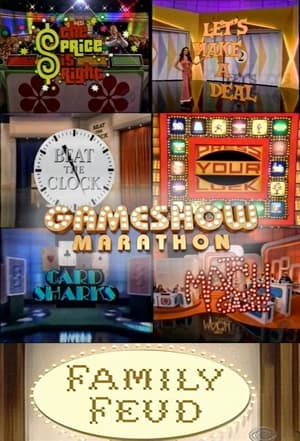
Card Sharks is an American television game show created by Chester Feldman for Mark Goodson-Bill Todman Productions. Two contestants compete for control of a row of oversized playing cards by answering questions posed by the host and then guessing if the next card is higher or lower in value than the previous one. The concept has been made into a series four separate times since its debut in 1978, and also appeared as part of CBS's Gameshow Marathon. The primary announcer for the first three series was Gene Wood.
Game$how Marathon is an American television program which aired on CBS from May 31, 2006 to June 29, 2006. It is based on the UK series Ant & Dec's Gameshow Marathon which aired on ITV in 2005. The show features contestants competing in some of television's most historically popular game shows, in a single-elimination format until an ultimate winner is found. Both the UK and US versions featured celebrity contestants. The US version was produced by FremantleMedia North America and Granada America and was hosted by Ricki Lake and announced by Rich Fields. In the US, the series only aired for a single season, while in the UK a second season aired in 2007, this time entitled Gameshow Marathon and hosted by Vernon Kay. This program was recorded at Stage 46, CBS Television City in Los Angeles, CA, USA.
Mel Giedroyc and Sue Perkins host "the most interactive quiz show ever aired in the UK", with each show packed with humour, drama and life-changing decisions - over six nights, the series builds to an epic finale where one contestant is guaranteed to win £1,000,000 - and that winner could even be a viewer who made it through to the final.
Fantasia
Two teams of children answer questions and perform stunts all-the-while getting messy.
In each high-octane episode, two players go head-to-head and take turns picking cards to get three-in-a-row, which is Lotería. Each time a card appears on their unique bingo-style card, they bank big money. Landing on one of the "Loca Cards" creates a twist in the game and gives players the opportunity to bank even more cash by competing in wild, interactive challenges.