On his toughest journeys yet, Simon Reeve travels through some of the most remote landscapes on Earth in search of the people and the wildlife of the planet’s greatest wildernesses.
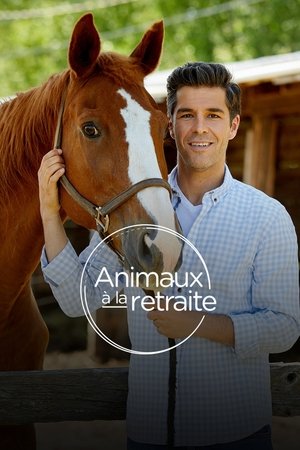
The daily struggles of animal lovers who have taken it upon themselves to run animal shelters for orphaned wild animals, mostly with their own resources, and often under their own roof.
Documentary revealing the weird and wonderful stories of some of the natural world's most incredible parents.
In each and every one of these action packed hours, Gordon Buchanan is on a personal and dangerous mission to really KNOW a MANEATER -an animal that has killed or even eaten a human. But as populations of the planet's apex predators decrease, the number of attacks on humans increases. Buchanan wants to go to the places where man still battles beast and put himself 'directly in the path' of a predator to find out.
Terre, le compte à rebours a commencé
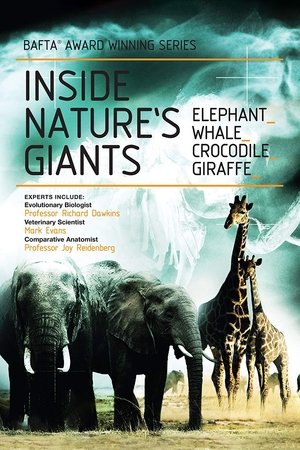
Inside Nature's Giants is a British science documentary, first broadcast in June 2009 by Channel 4. The documentary shows experts performing dissection on some of nature's largest animals, including whales and elephants. The programme is presented by Mark Evans. The series attempts to uncover the secrets of the animals examined. Mark is assisted by evolutionary biologists Richard Dawkins and Simon Watt, and comparative anatomist Joy Reidenberg. The show is currently airing on PBS in the United States and repeats are currently airing on Eden and Watch in the UK. There is an iPad application that allows you to see every animal the show have worked on close up.
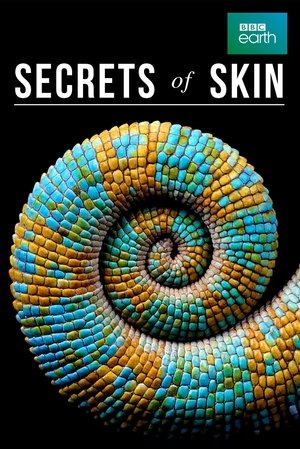
Featuring groundbreaking new science, experiments and leading scientists from a variety of disciplines, the series unravels the natural history of the body's largest organ.
Russian land has always been famous for its treasures - unique natural and man-made monuments. However, few people have seen them with my own eyes, because they are often located in difficult and remote corners of our country. However, this project gives viewers an unprecedented opportunity to explore the most beautiful and significant sites of the motherland!
Zoboomafoo is an American children's television series that aired from January 25, 1999, to April 28, 2001, and is still shown today in syndication depending on the area, and it is regularly shown on PBS Kids Sprout. A total of 65 episodes were aired. A creation of the Kratt Brothers, it features a talking Coquerel's Sifaka, a type of lemur, named Zoboomafoo, or Zoboo for short, and a collection of repeat animal guests. Every episode begins with the Kratt brothers in "Animal Junction", a peculiar place in which the rules of nature change and wild animals come to visit and play. After January 16, 2004, the show was pulled from its weekday airing on most PBS stations, though some continue to air the show.
The cameras follow the lives of human and animal families living in Kenya’s Samburu National Reserve. They also follow the story of a safari camp run by wildlife expert Saba Douglas-Hamilton and an elephant conservation charity run by her husband Frank Pope.
Long-running travel programme
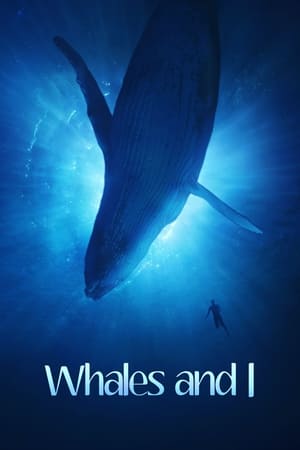
Witness the lives of whales and the urgent environmental crisis reflected in their demise.
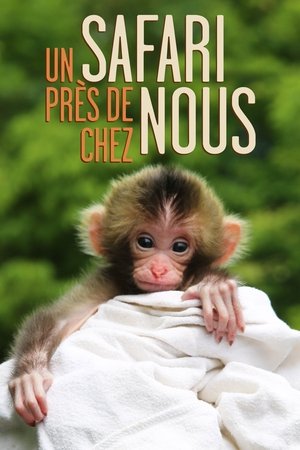
The fascinating life of dedicated zookeepers of Parc Safari, one of the largest zoos in Quebec.
Animaux à la retraite
This nature documentary introduces viewers to the fauna and flora of Britain and Ireland across four main areas: woodlands, grasslands, freshwater and marine.
Produced by South Florida PBS in Miami, Florida, Changing Seas gives viewers a fish-eye view of life in the deep blue. Join scientists as they study earth’s last frontier and discover the mysteries of our liquid planet.
David Attenborough uses pioneering 3D-techniques and technology to explore the unique environments and species of the Galapagos.
Discover the clever and creative ways animals navigate life’s most extraordinary challenges, from leaving home to finding a partner.
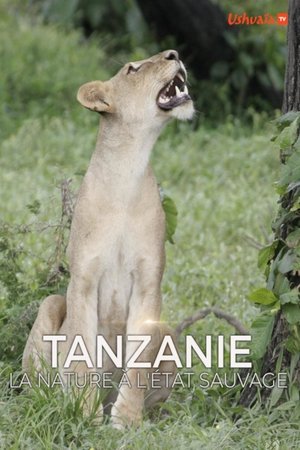
Tanzanie, la nature à l'état sauvage
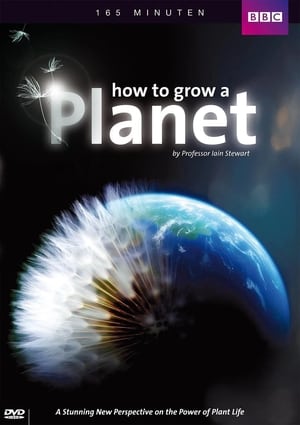
Geologist Iain Stewart explain in three stages of natural history the crucial interaction of our very planet's physiology and its unique wildlife. Biological evolution is largely driven bu adaptation to conditions such as climate, soil and irrigation, but biotopes were also shaped by wildlife changing earth's surface and climate significantly, even disregarding human activity.