Mythos Côte d'Azur - Liebe, Luxus, Leidenschaft
Through archival interviews and footage, George Michael and Andrew Ridgeley relive the arc of their Wham! career, from 70s best buds to 80s pop icons.
Ghyslain Raza, better known as the “Star Wars Kid,” breaks his silence to reflect on our hunger for content and the right to be forgotten in the digital age.
A cheap, powerful drug emerges during a recession, igniting a moral panic fueled by racism. Explore the complex history of crack in the 1980s.
A group of people are standing along the platform of a railway station in La Ciotat, waiting for a train. One is seen coming, at some distance, and eventually stops at the platform. Doors of the railway-cars open and attendants help passengers off and on. Popular legend has it that, when this film was shown, the first-night audience fled the café in terror, fearing being run over by the "approaching" train. This legend has since been identified as promotional embellishment, though there is evidence to suggest that people were astounded at the capabilities of the Lumières' cinématographe.
WATERSHED chronicles the story of Mallory Weggemann, who was paralyzed at the age of 18 and found refuge in the pool as a swimmer. Having won five Paralympic medals, Weggemann is now not only looking to reclaim her spot on the podium, but she’s trying to become a mother as well. In WATERSHED, which was self-documented by Weggemann and her husband Jay Snyder, Weggemann trains for the Tokyo Paralympics during COVID-19 and battles an additional injury to her arm, putting her career in question. Against the backdrop of these crossroads, the couple bravely share their struggles with infertility, the importance of IVF, and their journey to start a family. In this deeply personal and inspiring film, Weggemann reminds us that trauma and tragedy not only change how we are perceived by society, but how we perceive ourselves. And that if we’re brave enough, we too can write our own ending.
For ten years, Raymond Depardon has followed the lives of farmer living in the mountain ranges. He allows us to enter their farms with astounding naturalness. This moving film speaks, with great serenity, of our roots and of the future of the people who work on the land. This the last part of Depardon's triptych "Profils paysans" about what it is like to be a farmer today in an isolated highland area in France. "La vie moderne" examines what has become of the persons he has followed for ten years, while featuring younger people who try to farm or raise cattle or poultry, come hell or high water.
Guy Debord's analysis of a consumer society.
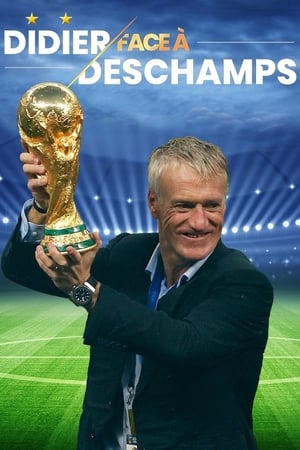
This documentary follows the French soccer team on their way to victory in the 1998 World Cup in France. Stéphane Meunier spent the whole time filming the players, the coach and some other important characters of this victory, giving us a very intimate and nice view of them, as if we were with them.
Children beyond the war
Swiping. Dating. Ghosting. Have you wondered what was really going on in your date's head? "Sex, Love, Misery" reveals candid thoughts and encounters between diverse singles looking to mingle or marry, from initial texts to hook ups and beyond.
J'écris dans l'espace
The art of drag represents an artistic transformation where individuals create characters by amplifying gendered traits, challenging established social norms. This practice, known for its spectacular performances, has evolved through periods of repression and acceptance. Through humor and self-mockery, drag disrupts conventions and is deeply rooted in the history of LGBT+ movements. This documentary traces the history of Drag in France and around the world, from William Dorsey Swann—a young emancipated slave considered the first drag queen—to RuPaul, Nicky Doll, and Paloma. Featuring contributions from historians, anthropologists, and sociologists specialized in drag, as well as testimonies from drag artists who are shaping or have shaped this history.
Algiers. From the port to the souks, passing through the Jardin d'Essai, Dominique Cabrera transports us to the land where she was born, on the other side of the Mediterranean "where the sea is saltier". If most of the pieds-noirs left Algeria in the summer of 1962, some -a minority- remained. By going to meet them, the director makes her own inner journey.
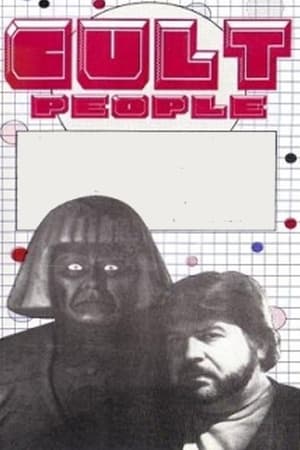
In interviews, various actors and directors discuss their careers and their involvement in the making of what has come to be known as "cult" films. Included are such well-known genre figures as Russ Meyer, Curtis Harrington, Cameron Mitchell and James Karen.
Giscard, l'impossible retour
After World War II, many young French women became housewives, convinced that devoting themselves entirely to caring for their families was a noble mission and a means of personal fulfillment.
"Race d’Ep!" (which literally translates to "Breed of Faggots") was made by the “father of queer theory,” Guy Hocquenghem, in collaboration with radical queer filmmaker and provocateur Lionel Soukaz. The film traces the history of modern homosexuality through the twentieth century, from early sexology and the nudes of Baron von Gloeden to gay liberation and cruising on the streets of Paris. Influenced by the groundbreaking work of Michel Foucault on the history of sexuality and reflecting the revolutionary queer activism of its day, "Race d’Ep!" is a shockingly frank, sex-filled experimental documentary about gay culture emerging from the shadows.
At the start of World War I, Paul Baumer is a young German patriot, eager to fight. Indoctrinated with propaganda at school, he and his friends eagerly sign up for the army soon after graduation. But when the horrors of war soon become too much to bear, and as his friends die or become gravely wounded, Paul questions the sanity of fighting over a few hundreds yards of war-torn countryside.
Ravis par Marine (Le Pen)