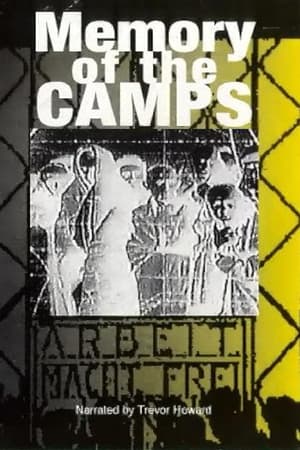
In 1945, Allied troops invaded Germany and liberated Nazi death camps. They found unspeakable horrors which still haunt the world’s conscience. A film was made by British and American film crews who were with the troops liberating the camps. It was directed in part by Alfred Hitchcock and was broadcast for the first time in its entirety on PBS FRONTLINE in 1985.
A fairly shabby, dark, three-part wardrobe in a hallway: About ten years have passed since Joana Claude suffered sexual violence when it was assembled. Now the time has come to not only disassemble it. Instead, Joana sets out to destroy the artefact of pain completely. The gesture is made with fervour, tearing out the shelves and doors looks like retroactive resistance, what was pent up finds an outlet. At the same time, the ritual is characterised by gradual escalation: At first the director speaks of her relationship with her parents – a big sweat stain on her back already beginning to show –, in the end everything is in flames. The act is short, it lasts only a few minutes. And yet it allows an intimate insight that acquires a universal, strength-giving character as it unfolds.
The Flight of the Condor traces the global circulation of the melody “El Condor Pasa”: from the Andes mountains to global metropoles; from Lima to Paris to New York, and back; from panpipes to piano and from symphony orchestras to the disco; from indigenous to popular music; and from world music back to national heritage.
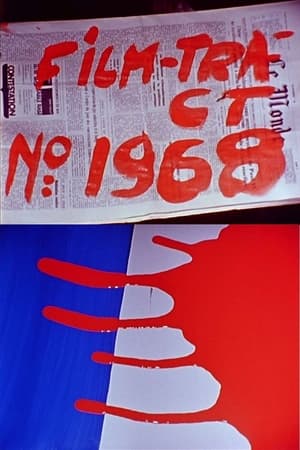
In the 1968 movement in Paris, Jean-Luc Godard made a 16mm, 3-minute long film, Film-tract No.1968, Le Rouge, in collaboration with French artist Gérard Fromanger. Starting with the shot identifying its title written in red paint on the Le Monde for 31 July 1968, the film shows the process of making Fromanger’s poster image, which is thick red paint flows over a tri-color French flag. —Hye Young Min
Ooni
Sawana - Reine des Fourmis
Rami Ram Kirani
L'usine rouge
The master collects silver parings, melts it down, created earrings, rings, bracelets, hair pins, stones inset into the silver, the master imparting the craft to his apprentices.
This documentary delves into the lives of two people who have faced a gender identity disorder (GID), where the person’s sense of being male or female isn’t definite. These individuals have a strong desire to assume the physical characteristics and gender role of the opposite sex or also a person who has undergone a hormone treatment and surgery to attain the physical characteristics of the opposite sex is what is known to be called a “transsexual”. ‘I’dentity exposes two lives of different socio-economic strata in society as we try to string together their lives via them. It’s an attempt to understand this psycho-physiological turmoil that a transsexual goes through, be it approvals or ousting. The films aim is to explore the various choices these two individuals have in hand to deal with this condition and their life long struggle to “fit in” within the confines of a civilized society.
Demain au boulot
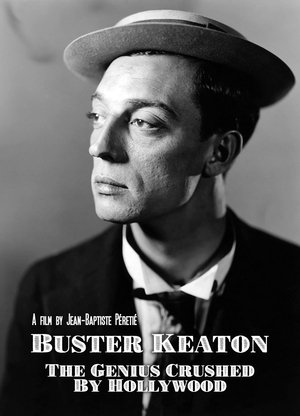
In 1926, Buster Keaton was at the peak of his glory and wealth. By 1933, he had reached rock bottom. How, in the space of a few years, did this uncontested genius of silent films, go from the status of being a widely-worshipped star to an alcoholic and solitary fallen idol? With a spotlight on the 7 years during which his life changed, using extracts of Keaton’s films as magnifying mirrors, the documentary recounts the dramatic life of this creative genius and the Hollywood studios.
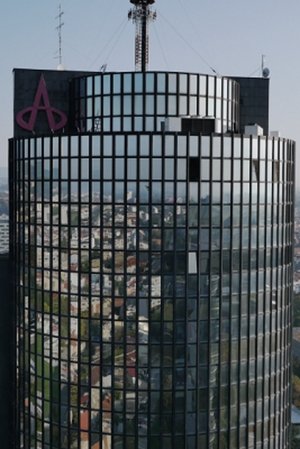
Agrokor is the largest privately owned company in Croatia and a symbol of modern-day success of Croatian economy. The corporation headquarters is located in the tower of Dražen Petrović House, popularly known as the Cibona Tower, which represents one of the symbols of previous Croatian achievements from the late socialist period. In 2017 Agrokor’s business problems are disclosed – the losses amount to billions. In collusion between politics and economy, who is responsible for the breakdown of this corporation? Today Agrokor’s sign no longer hangs from the Cibona Tower.
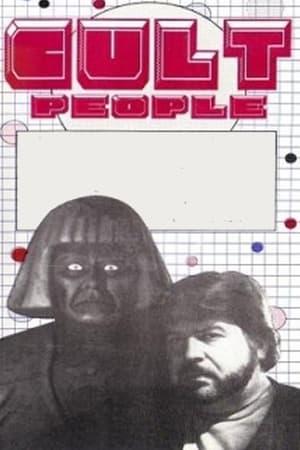
In interviews, various actors and directors discuss their careers and their involvement in the making of what has come to be known as "cult" films. Included are such well-known genre figures as Russ Meyer, Curtis Harrington, Cameron Mitchell and James Karen.
The world appears black on black until it separates from itself, looks at itself, includes itself, and sees colour.
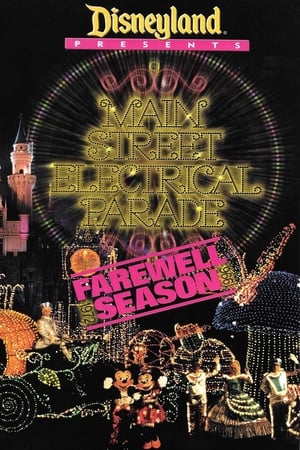
Catch the spark after dark at Disneyland Park. And say farewell to one of the Magic Kingdom's most celebrated traditions - The Main Street Electrical Parade. Where else, but in The Main Street Electrical Parade, could you see an illuminated 40-foot-long fire-breathing dragon? And hear the energy of its legendary melody one last time? It's unforgettable after-dark magic that will glow in your heart long after the last float has disappeared.
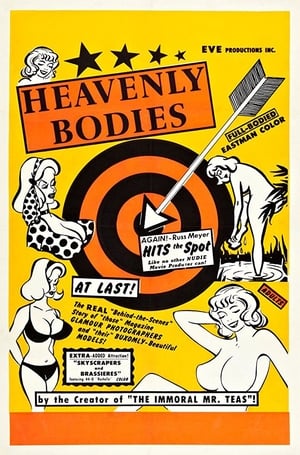
A group of filmmakers shadow some glamour photographers in order to discover the skill involved in getting 'magic' to appear on the photos.
An in-depth documentary on the behind-the-scenes of the 1990 Canuck cult classic The Final Sacrifice.
For twenty years, male members of a fraternity at a major state university and their female guests have been celebrating the end of the school year by capturing and eating live salamanders. Is the "salamander-eating contest" staged by these students a fad or a tradition? A rite of passage for college men and women? Or an inhumane and senseless act? The film documents the ritual in cinema verité fashion and permits viewers to decide for themselves. Provided without narration - this short film primarily features obnoxious, loud and brawling youngsters, and develops into a competition among coeds that has strong sexual overtones.
The stories of Khaled El-Masri and Binyam Mohamed, two men who have survived extraordinary rendition, secret detention, and torture by the U.S. government working with various other ma