Buenos Aires is a complex, chaotic city. It has European style and a Latin American heart. It has oscillated between dictatorship and democracy for over a century, and its citizens have faced brutal oppression and economic disaster. Throughout all this, successive generations of activists and artists have taken to the streets of this city to express themselves through art. This has given the walls a powerful and symbolic role: they have become the city’s voice. This tradition of expression in public space, of art and activism interweaving, has made the streets of Buenos Aires into a riot of colour and communication, giving the world a lesson in how to make resistance beautiful.
Honey badgers may look innocent, about the size of an average dog, but these fearless foragers prey on more than 60 different species in the Kalahari, including some of the region's most dangerous snakes. One honey badger was seen eating over 30 feet of snakes in just three days. Join honey badger experts-Keith and Colleen Begg- who through research, film and photography have compiled the most extensive study to date of honey badgers in the wild. Their cameras capture not only the heroic saga of a remarkable couple working in the wild, but the natural history of one of the world's most unique and extraordinary creatures" National Geographic Channel highlights.
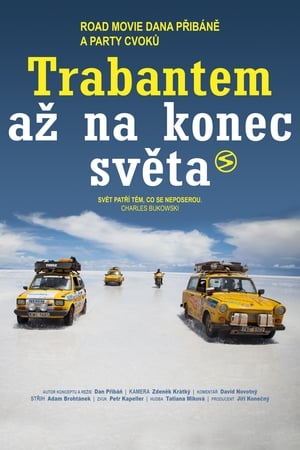
The third installment in Dan Přibáň's series of travel documentaries describes the author's journey with his friends across South America in vehicles that are often notorious but cult in their own way. The charming dynamics of the group on screen are further enhanced by the high-quality craftsmanship.
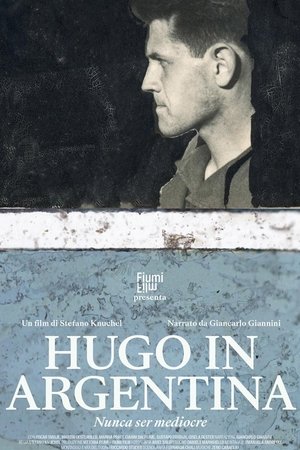
A promising Italian cartoonist lands in Buenos Aires in 1950, with the dream of reaching the United States, to discover that, for him, America will be Argentina. The country immediately overwhelms him with its massive economic boom and a cultural scene among the most vibrant in the world. We are at the dawn of Argentina's most delirious decade, and the young immigrant feels that the vast promise of this country is within his grasp. His name will indeed make itself known: Hugo Pratt.
His teachers, coaches, childhood friends and Barça teammates, together with journalists, writers and prominent figures from the history of football, come together in a restaurant to analyze and pick apart Messi's personality both on and off the field, and to look back at some of the most significant moments in his life. Viewed from Álex de la Iglesia's unique perspective, Messi recreates the player's childhood and teenage years, from his very first steps, with a football always at his feet, through to the decision to leave Rosario for Barcelona, the separation from his family, and the role played in his career by individuals such as Ronaldinho, Rijkaard, Rexach and Guardiola.
Documentary on State terrorism during the last military dictatorship in Argentina, made in its aftermath. Invited by the Goethe-Institut to hold a workshop with young film students, Schroeter contrasts the official statements of the regime with the testimony of victims, dissidents and relatives of the disappeared. And trust that their faces and words will resonate much more than a mere representation of violence.
1982 Malvinas, La guerra desde el aire
A custom car photographer, along with a talented metal flake painting artist, Alejandro Minissale, tour workshops, artists' studios, and custom events in Argentina with a single purpose: to promote this lifestyle that encompasses the world of American cars, as well as motorcycles, tattoo artists, illustration, memorabilia collecting, musicians and others.
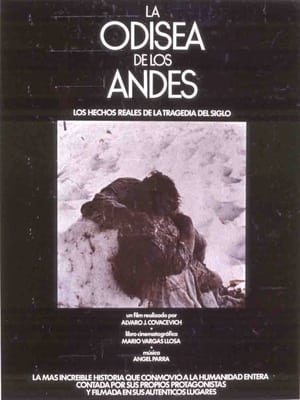
A documentary revolving around the 1972 crash of the plane carrying an Uruguayan rugby team; interviews with survivors and the families of victims.
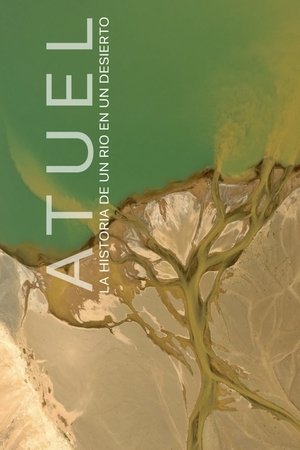
ATUEL is the story of a community and its river; of a river and its community. Everyone in the province of Mendoza, Argentina, lives in one of three oases. The southern oasis, home to the cities of San Rafael and General Alvear, depends primarily on The Atuel River. Yet incredulously, the river remains under threat. People cannot care for what they don’t know and so we decided to ask the river what story it would like to tell about itself. To do so, we travelled its entire length from its source in the heart of The Andes to where it dries out prematurely in the sands of The Cuyo Desert. We’re told we are the first to do so since 1884 and the first ever to do so by boat. 43 days. 480 kilometres. 38 people interviewed about their relationship with the river.
For centuries, people have reported sightings of a strange creature lurking within the gloomy waters of Scotland's infamous Loch, but are these accounts true or are they just another myth or giant hoax? Despite years of investigation and countless eyewitness testimonies, the riddle of this legendary brute has continued. Now, dive into the depths of this controversy using a mix of science, eye witness testimony, zoology, and psychological testing.
Avoir 16 ans et toutes ses Andes
The story begins in Patagonia, deep south in Argentina, where researchers look for the remains of a German U-boat landing. This search leads them to Argentina during the '30s before Second World War, a time when anti-Semitism flourished in the country.
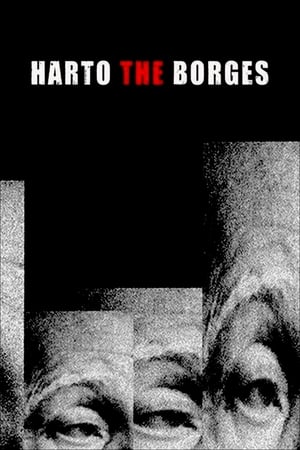
A fragmented biography, inconclusive, partial, of the brilliant Argentinian writer Jorge Luis Borges, based on different testimonies: his links with Leonor de Acedevo —his mother— and María Kodama —his second wife—; his vast culture and devout dedication to literature, his and that of others; his country: the politicians and the disloyal military. Borges gradually builds his own impersonation of Borges.
Documentary about the social and economic policy of the country in the first years of the Justicialista government. Considered a lost film.
Marcos Lopez's first feature film explores the world and oeuvre of Argentine folk musician, Ramón Ayala. The movie also provides interviews with contemporary musicians from Argentina, who were influenced by Ayala. At the same time, the picture portrays the different landscapes of the country: the jungle and soil of Misiones (Ayala's native province), the folk festival in Córdoba and the urban environment of Buenos Aires; paying special attention to those places where Ayala's music circulate. One of the most famous Argentine photographers, Lopez takes advantage of the cinematographic medium to stamp his visual aesthetics, which offer a very ironic, yet loving, approach to Argentina.
Shot almost in its entirety in the corridors of the Villa 21, one of Buenas Aires' most well-known shanty-towns, Estrellas (Stars) revolves around the work of Julio Arrieta, who is both a theatre director and is responsible for providing shooting locations for those directores wishing to film in an Argentine ghetto.
Martinez's second feature documentary assembles a theatre group of deaf actors in order to portray their lives and at the same time avoid any pedagogic representation of the non-hearing people. Coming from different environments and provinces, la troupe has to overcome various difficulties to put on stage their last play, hoping to attract an audience beyond the Argentine deaf community.
Jazz en Claypole
For many, the name Malvinas/Falklands evokes an absurd war between England and Argentina in 1982. For Julieta Vitullo, the protagonist of this film, this tragic history becomes deeply personal 25 years later when she suffers a loss associated with her search to uncover that past, unfolding into a life-affirming struggle for renewal and rebirth. This film tells the story of two trips, one made in 2006 and the other in 2010. In the space between one trip and the next, between past and present, between the public and the private, between what can and cannot be told, the movie reflects on the possibilities of conveying extreme life experiences, presenting landscapes and sounds that suggest subtle contours of that shape, 'The Exact Shape of the Islands.'