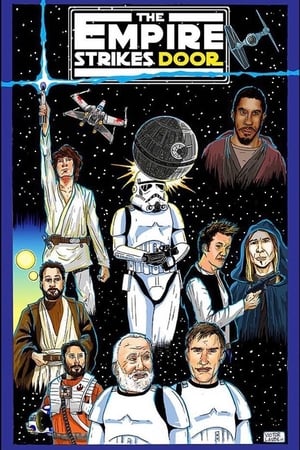
A thrilling comedic documentary attempting to uncover the mystery of who is responsible for one of the most infamous bloopers in cinematic history.
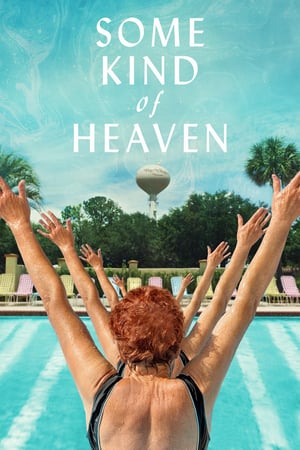
Behind the gates of a palm-tree-lined fantasyland, three residents and one interloper at America’s largest retirement community strive to find happiness.
A documentary about Shaolin Kung Fu starring Jet Li
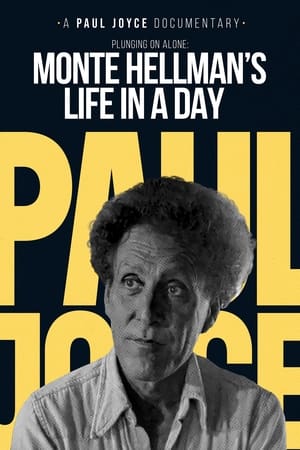
Monte Hellman was born in 1932. By 1986 he made eight features, but had not directed for six years. I had made as many documentaries, but had not turned a foot of film through a camera for two years. I decided to break the silence by spending a day with him. Nine rolls were loaded into the camera. We talked until either we or the camera ran out.
A bold reveal of a rose tattoo opens this 1980 documentary on tattooing in New Zealand. The potted history includes visits to tattoo parlours on K' Road and Hastings, and the studios of industry legends Steve Johnson and Roger Ingerton. Tattooists discuss public stigma, people's reasons for getting inked, and popular designs: sailors, serpents, swallows and tā moko. Made for documentary slot Contact, Skin Pics chronicles a time when "folk art has become high art".
Tattooing — "the world's oldest skin game" — is the subject of this iconic documentary. Writer/director Geoff Steven scored a major coup by signing Easy Rider legend Peter Fonda as his presenter. Travelling to Aotearoa, Samoa, Japan and the United States, the doco traces key developments in tattooing, including its importance in the Pacific, prison-inspired styles, and the influence of 1960s counterculture. Legendary tattooists feature (including Americans Ed Hardy and Jack Rudy), while the closing credits parade some eye-opening full body tattoos.
Documentary about Japanese film director Shohei Imamura.
The Executive Empress explores the entrepreneurial lives of several Florida women, who have turned their unique passions into successful businesses.
A sci-fi documentary that follows the rise and fall of Lyd — a 5,000-year-old metropolis that was once a bustling Palestinian town until it was conquered when the State of Israel was established in 1948. As the film unfolds, a chorus of characters creates a tapestry of the Palestinian experience of this city and the trauma left by the massacre and expulsion.
As police and DEA agents battle sophisticated cartels, rural, economically-disadvantaged users and dealers–whose addiction to ICE and lack of job opportunities have landed them in an endless cycle of poverty and incarceration–are caught in the middle.
The origin story of America's first horror theme park and the thrilling journey of its founder. David Bertolino began as a salesman in a Boston joke shop and moved into Halloween products and costuming before becoming a “Hauntrepreneur” and launching the iconic SpookyWorld.
Harley Russell, 73, lives only on the tips he receives at his wacky store at Erick (Oklahoma) with his Mediocre Music Maker show. Ángel Delgadillo, 91, the last barber of Seligman (Arizona), continues shaving drivers who go out of the interstate highway to visit his town. Lowell Davis, more than 80, is the first inhabitant of Red Oak II (Missouri), a ghost town which he rebuilt through the restoration of its old houses. Three stories of perseverance and overcoming in what was once the road that connected the United States from East to West. Three survivors that managed to save the most well-known route in America.
Homo Cinematographicus is a human species whose unit of measurement and point of reference is the cinema and its derivative, television. Filmed at the 1998 Cannes Film Festival, the film offers an unspecified number of statements, talking about memories and a thousand fragments of stories, titles and film scenes, the warp of a gigantic collective Chanson de geste.
Documentary showing one day of work of over 90 actors and filmmakers from French cinema on the same day. On 27 March 2002, 27 teams filmed actors, directors, producers and technicians at work, from Hawaii to Paris and from New York to Lisbon.
A 60-minute salute to American International Pictures. Entertainment lawyer Samuel Z. Arkoff founded AIP (then called American Releasing Corporation) on a $3000 loan in 1954 with his partner, James H. Nicholson, a former West Coast exhibitor and distributor. The company made its mark by targeting teenagers with quickly produced films that exploited subjects mainstream films were reluctant to tackle.
Brought to life through archival material and the reflections of over 40 colleagues, friends and fans, BLOOD & FLESH is much more than the story of a moviemaking life most unusual. It beautifully captures the worlds of outsider filmmaker communities that existed in California in the ’70s, and the weird ways they intersected with Hollywood mainstream and union indies. On Adamson shoots, regular Orson Welles crew and cinematographers like Gary Graver, Vilmos Szigmond and Lazlo Kovaks worked alongside Bud Cardos — and at one point, Charles Manson! Director David Gregory (founder of Severin Films, director of LOST SOUL: THE DOOMED JOURNEY OF RICHARD STANLEY’S ISLAND OF DR. MOREAU) spent years making this film, speaking to everyone down to the cops who investigated Adamson’s murder, vividly encapsulating both a bold life and tragic demise, with alien conspiracies, go-go dancers and Colonel Sanders coming in along the way. If you’ve got even a passing interest in cinema, you want to see this
Six blind Tibetan teenagers climb the Lhakpa-Ri peak of Mount Everest, led by seven-summit blind mountain-climber Erik Weihenmayer.
The dramatic story of the British expedition that made the first ascent of Everest. Combining interviews with the surviving members of the 1953 British and 1952 Swiss attempt on Everest with rare archival material, this film tells the story of the race to climb Everest in the early 1950s and its climax in 1953.
A documentary showcasing a family as they pack up their home of twelve years and begin looking towards the future.
Six blind people around the world are given a camera and asked to take photos of whatever they like.