A look at the state of the global environment including visionary and practical solutions for restoring the planet's ecosystems. Featuring ongoing dialogues of experts from all over the world, including former Soviet Prime Minister Mikhail Gorbachev, renowned scientist Stephen Hawking, former head of the CIA R. James Woolse
As co-created by environmentalists Stephan Poulle and Nicolas Koutsikas, the documentary Gulf Stream and the Next Ice Age argues and provides evidence for the idea that mankind is wreaking permanent and potentially irreversible damage on the ecosystem by interfering with the natural course of the Gulf Stream. Koutsikas and Poulle suggest that this interference, in turn, will prompt a new Ice Age that virtually destroys the modern world.
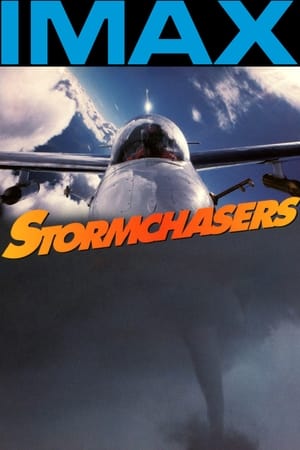
This video presents a look at the forces of nature in their most devastating mode: lightning storms, tornadoes, flash floods, tidal waves, and hurricanes. The film, made for The Discovery Channel, accompanies professional storm chasers as they ride into the eye of a category five hurricane to gather data and get a close-up view. There is footage of a tornado with 300-mile-per-hour winds, as well as 100-foot tidal waves hurtling towards shore at 500 miles per hour. The viewer witnesses a flash flood and hears an interview with a lightning strike survivor.
Track monsoons, hurricanes, blizzards, and tornadoes. Take a journey around the planet to experience our most extreme storms and to witness the dramatic--and often perilous--efforts of scientists in the pursuit of understanding weather.Join meteorologists in the cockpit of a P-3 weather plane as they penetrate the eye of a hurricane; and in the tense, decisive moments on the road as they focus their radar on an approaching tornado, traveling to the heart of severe storms to learn what makes weather systems tick. Experience the bumpy ride into the sudden and spectacular calm of a hurricane’s eye, or the commando-like raid to the very brink of a killer tornado, and experience one of the elemental joys of doing science: that of confronting nature head-on to divine its awesome secrets.
Bacteria, viruses, but also fungi, algae, pollen, and even insects: micro-organisms thrive and circulate constantly in our sky. How can so many living beings find their way into the air and circulate? How do they survive? And what influence do they have on our lives and the living world? Biodiversity, health, climate: it is only recently that scientists have begun to understand how this discreet aerial "plankton" affects our lives and our ecosystem. But despite their many virtues, some of these micro-organisms are now threatened by human activities. With the help of experts and 3D models, this scientific investigation plunges us into the heart of a still mysterious world, and reveals the diversity and fragility of the air we breathe.
Violent squalls, hail, waterspouts, lightning... storms put animals and plants to the test. At a time when climate change is multiplying extreme weather events, this documentary plunges into the heart of a storm, from the heavy, dry atmosphere that precedes it to the deluge that follows.
Iceland is one of the wildest places on earth. You could be caught up in the midst of snowstorms and blizzards, but you are never alone... Although tourists from all over the world have started a silent invasion, nature keeps on winning.
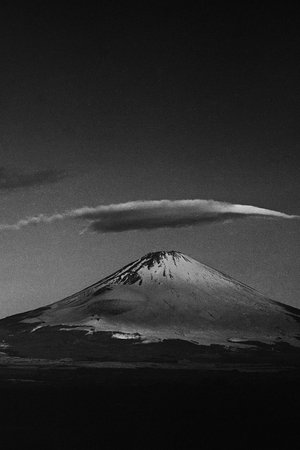
In 1927, meteorologist Masanao Abe (1891-1966) established the Abe Cloud Air Current Research Observatory on the heights of Gotemba in Shizuoka Prefecture. Until 1942, through his contributions to research magazines and publications, he worked on elucidating the formation process of clouds above Mount Fuji. He left a colossal archive representative of modern meteorology, including pictorial records of every kind-- this one an early success, artistically.
Der Wind - Motor des Klimawandels
Horizon visits state-of-the-art laboratories and uses CGI to recreate the science-fiction-worthy weather experienced on other planets.
Cyclone Tracy 40 years on, exploring the myths and revealing new perspectives on one of the worst natural disasters in Australia's history.
The storm of 1993 that ravaged the Eastern Seaboard was bigger than any since the 1800s. Most were expecting only more unseasonable warmth, and were caught off-guard by the hurricane winds, massive thunderstorms, and fierce blizzards. Meteorologists puzzled over bizarre reports from their computers. Late warnings went largely unheard. Video footage from Florida to Maine documents nature's savagery.
Commissioned by the U.S. Government Defense Civil Preparedness Agency, the film describes the elements of a modern tornado warning system as was developed at the Texas Tornado Warning Conferences in 1953 and included radar detection of tornadoes, a spotter network, and improved communications between the U.S. Weather Bureau, spotters, and public officials to better disseminate warnings to the public. In the 1960s TV changed the way tornado safety and preparedness information was disseminated and this film is likely a product of that development. This film opens with vignettes of people in a small town somewhere in America’s suburban midwest. It then goes on to display the moments before and after the onset of a tornado and informs the audience of appropriate safety response measures.
The BBC looks at our current weather and climate compared to the climate of our past to see if it really is changing...which it is and they explain science behind it
The film highlights the dangers of extreme heat and the importance of staying hydrated and cool. It portrays a conversation between two friends, one of whom insists on playing basketball despite the oppressive heat. The narrative emphasizes that heat-related illnesses can be avoided by recognizing the body's signals and taking necessary precautions, such as drinking water and staying indoors. The film concludes with a report of record-breaking temperatures, underscoring the seriousness of heat exposure.
For five days in December 1952, a thick smog suffocated the British capital causing the death of thousands of Londoners. The health catastrophe lead to a realisation, in Britain and around the world, that air pollution was a serious threat to human health. This documentary reveals what happened, hour by hour, in one of the worst peacetime disasters of the 20th century.
Personal experiences of Northwest Ohio residents during the January 1978 blizzard that disrupted daily activities. Stories include the helicopter rescue of an expectant mother, effects on emergency services, and methods people used to survive without electricity and heat.
News archive, home movies and interviews with celebrities are combined to look back at the extreme weather that hit Britain in December and January 40 years ago. Stories covered include a deadly train crash caused by a blizzard, as well as the Penlee lifeboat disaster, daring motorway rescues and RAF helicopters delivering lifesaving parcels to stranded Highlanders.
This doc unpacks the 2024 Atlantic Hurricane Season, one of the worst on record. From Hurricane Beryl, a category 5 storm with 165 mph winds to Hurricane Helene - one of the deadliest since Katrina of 2005 - and Hurricane Milton, the most powerful Category 5 hurricane reaching 180 mph. We reveal how hurricane meteorologists are trying to stay one step ahead with cutting edge weather satellites that patrol the planet, warning of when and where a hurricane will hit land. And we join a team of Hurricane Hunters as they fly into the eye of these fierce storms on rugged aircraft crammed with several tons of scientific kit. We also learn from a scientist at NASA who experimented with hurricane flights which were unmanned, using repurposed military drones called Global Hawks to fly into the world's most deadly storms.
Using film footage shot by the Genevese film director, Fernand Reymond, in Bangladesh in 1972, this documentary film describes the cyclone prevention programme drawn up by the governmental authorities and the League of Red Cross Societies. It particularly depicts the cyclone warning system set up to protect the population. (League Film Library Catalogue Supplement No. 2, p. 39)