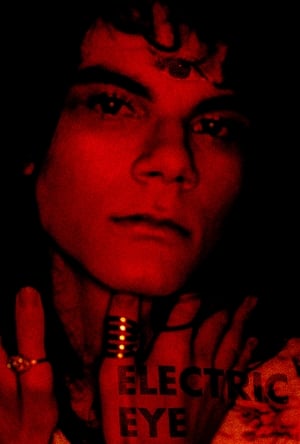
An experimental short film, shot during the COVID-19 pandemic, made by one person. Using recorded scenes and archival footage, the short presents an unorthodox narrative to explore the themes of self-identification, identity, gender expression and androgyny.
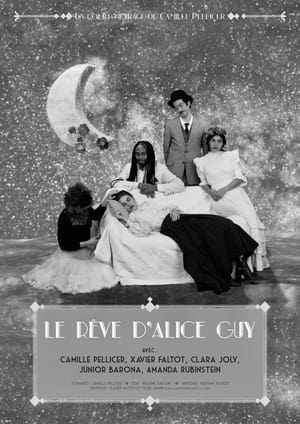
This is a short film about Alice Guy-Blaché, the first female director of fiction in cinema history. Alice Guy was Léon Gaumont's secretary at the beginning of the last century and she was the first woman to ever direct actors in front of the camera. In 1895, the Lumière brothers introduced to the world the "Cinématographe", the first camera. Léon Gaumont decided to sell this revolutionary new device. Fascinated, Alice asked her boss for permission to use the camera to make her own films. Mr. Gaumont agreed only under the condition that she “would be able to keep up with her mail.” This short film is a poetic reverie that Alice Guy might have had in her time if only society at the time hadn't presented her with so many challenges.
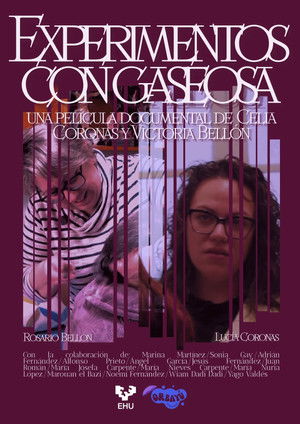
In order to determine the ability to drive after drinking alcohol, three men take various tests when sober and when drunk.
Experimentos con gaseosa
The film showcases the voices of past and present Hougang residents, alongside commentary by historians, public intellectuals, politicians, and volunteers. Charting Hougang’s history from the mid-eighteenth century, the film features personal recollections of growing up in Hougang, residents’ sentiments towards state-led redevelopment and relocation, and the political journey of the community in the context of the Workers’ Party having won the Hougang Parliamentary seat a little over 30 years ago.
If a tree falls dead, does it cease to be alive? Like a deep breath in the forest, Siob explores the different textures of wood, from its life in nature to its rebirth as a musical instrument. And what if, in human hands, wood found its voice again?
A nation's architect battles war and chaos to forge a country from the ashes—can he secure its future before freedom slips away?
Piwowski’s most controversial documentary, a portrait of Czesław Niemen (1939-2004), an outstanding musician and vocalist, a year after the legendary song "Strange Is This World" was released.
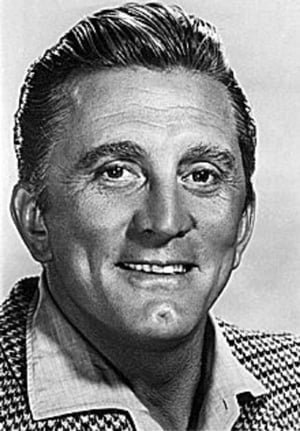
The 1966 visit of Hollywood movie star Kirk Douglas at the legendary Polish State Film School in Lódz.
Piwowski's documentary debut is a satirical reportage, referring to the poetics of the Czech school at the time. The starting point was an order from a film studio to join a project proposed by the Germans: what do teenagers in your country do on Saturday at 5 pm? Images from the lives of teenagers from Kętrzyn make up a contrasting slice of free time in a small town. Firemen maneuvering to start a fire outside working hours, bodybuilders training, choir rehearsal, dancing in Hitler's former headquarters...
A journalistic story inspired by Volodymyr Vernadsky about the genesis of life in the universe — from the physical elements of the primordial broth to the civilization of intelligent man.
Made for screening at the U.S. Pavilion at the 1974 World's Fair in Spokane Washington, USA, which had a Native-American environmental theme, MAN BELONGS TO THE EARTH depicts the history of air, water, and earth pollution, and how environmentalists are trying to solve these problems using various technologies.
Un jour en France
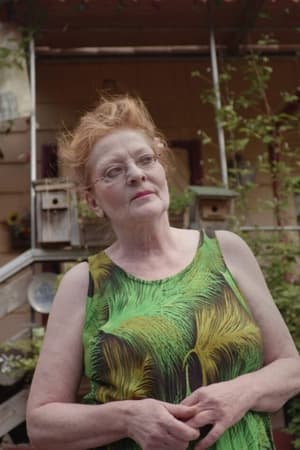
Annedore takes care of orphan birds. They give her that which humans througout her turbulent life could never give her: love.
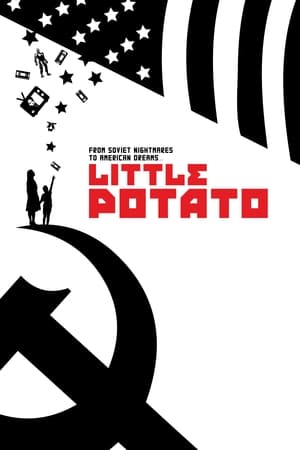
Wes Hurley's autobiographical tale of growing up gay in Soviet Union Russia, only to escape with his mother, a mail order bride, to Seattle to face a whole new oppression in his new Christian fundamentalist American dad.
Three college students start a social experiment to prove that reality changes according to the words we use to describe it. Through research, activist actions, and artistic interventions, they analyze the importance of language in the way we understand the world. The documentary includes analysis from more than 20 international experts and leaders in the fields of political communication and information.
The Man Killers
A documentary on a conversation between one drug-induced individual with another sober partner.
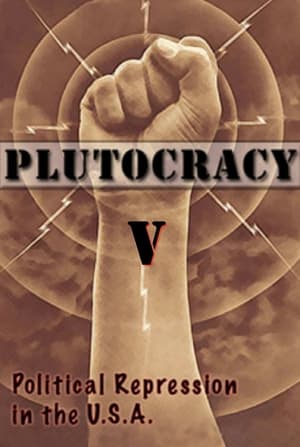
This documentary focuses mostly on the 1930’s to 1950’s – arguably the most important period in modern American history. These decades included the Great Depression, the peak of labor militancy in 1937 (probably the closest the US has come to a popular revolution since 1787), the rise of the “guest worker” phenomenon, the counter-attack against labor unions, the creation of the military industrial complex, the rise of the FBI, the foundations of the civil rights movement, and the purging of radicals from organized labor and public life.
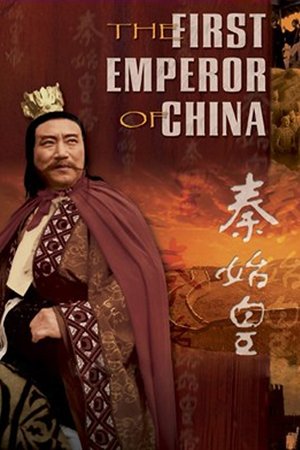
This historical drama tells the story of Qin Shihuang, who unified China's vast territory and declared himself emperor in 221 B.C. During his reign, he introduced sweeping reforms, built a vast network of roads and connected the Great Wall of China. From the grandiose inner sanctum of Emperor Qin's royal palace, to fierce battles with feudal kings, this film re-creates the glory and the terror of the Qin Dynasty, including footage of Qin's life-sized terra cotta army, constructed 2,200 years ago for his tomb.