The spring of 1950 was also the spring of the multi-party regime in Turkey. A new 10 years, a new regime, a new government. The first test of democracy was beginning. The National Chief of the single-party period had returned to his Pink Mansion. The address of the opposition was clear now. When it comes to power... Power was shared by a tripartite trivet from the first day: DP Group in the Parliament. Celal Bayar in the Mansion and Adnan Menderes in the Prime Ministry..
Turkish democracy got over May 27 and March 12 and set off again, but the storm did not subside, and the mutual reckoning was not over. On the contrary, new fronts were opened in the country and blood began to flow like a gutter. Finally, on September 12, there was a knock on the door again. Those who came that day changed everything, everything. Nothing will ever be the same again
Societies, like people, have turning points in their histories. These milestones sometimes silently and spontaneously knock on the door, and sometimes they explode like a terrifying thunderclap. The year 1950 was such a turning point for Turkey. A simmering social reaction against 27 years of power erupted in the spring of 1950. Society has cracked its quarter-century shell. Not by shedding blood in the streets, but by voting at the ballot boxes. "Demirkırat" was reared by the general vote. That's why the 14 May 1950 elections were always called the "White Revolution"...
A fictionalised documentary that tells the story of María Lejárraga, writer and pioneer of feminism in Spain during the 1920s, whose work was produced under the name of her husband, the theatre impresario Gergorio Marinez Sierra. Lejárraga was the most prolific Spanish female playwright of all time. She is the author of works such as "Cancion de cuna", as well as a member of parliament for the Second Republic and founder of pioneering projects for women's rights and freedoms.
32.Day, a news classic by Mehmet Ali Birand, is with you this time with the documentary 50 Years of Cyprus!
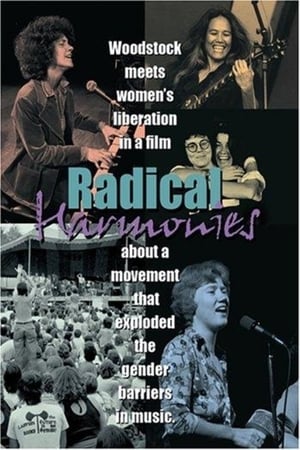
Despite the 1960s free-love and alternative culture, many women found that their lives and expectations had barely altered. But by the 1970s, the Women's Liberation Movement was causing seismic shifts in the march of the world's events, and women's creativity and political consciousness was soon to transform everything - including the face of publishing and literature. In 1973 a group of women got together and formed Virago Press; an imprint, they said, for 52 per cent of the population. These women were determined to make change - and they would start by giving women a voice, by giving them back their history and reclaiming women's literature.
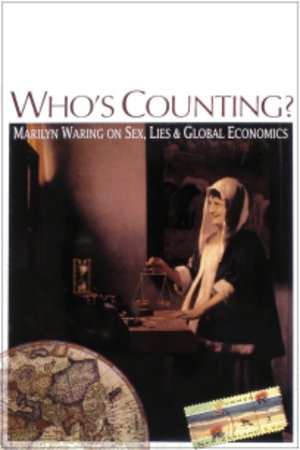
This documentary profiles economist and writer Marilyn Waring. In extensive interviews, Waring details her feminist approach to finances and challenges commonly accepted truths about the global economy. The filmmakers detail Waring's early rise to political prominence and her successful protests against nuclear arms. Waring also speaks candidly about wartime economies, suggesting that government policies tend to marginalize the fiscal contributions of women.
A thorough look at the 90's Turkish rock scene, one legendary stage band and its two members: Kerim Capli and Yavuz Cetin... An inquiry of their existential battles with the society, the industry and their own minds.
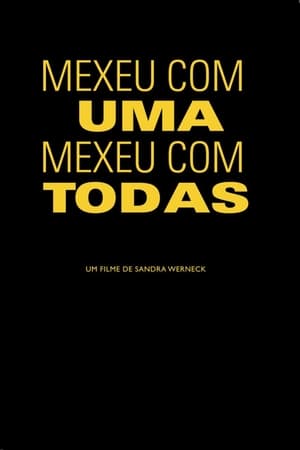
“Touch one, touch us all” is a slogan of the women who took over the streets in Brazil and organized themselves in social networks to face male chauvinist and conservatism. Through testimonies of women who have been subjected to violence, the documentary reveals that, despite legal achievements, the woman still remains vulnerable. Amongst other deponents are Maria da Penha, Joanna Maranhão, Luíza Brunet, and Clara Averbuck.
While we were wandering through the pages of our democracy history, we saw right-left fights and experienced revolutions. Blood was shed, scaffolds were set up, but they could never change the country's path. When we came to the 1980s, a person came out and shook the system to its roots and changed the world of people. According to some, this was a great revolution, according to others, it was the wear and tear of some values. Regardless, this person left his mark on a period of Turkey.
In a tide oblivious to diversity, pearl oysters live under attack for not fitting into the standards and sizes. This is the story of how their pearls are born.
Personal stories taken from a survey on how women's lives are affected by a culture obsessed with body image and thinness.
Juno Award-winning musician Kinnie Starr is on a quest to find out why only 5% of music producers are women even though many of the most bankable pop stars are female. What does it take for a woman to make it in music?
A staged film where over 100 cyclists cycle towards the camera.
In this short documentary, we take a look at the history and future of roller derby in the Netherlands, while also touching on subjects such as image and the rise of men’s teams in this traditionally female sport. We tried to capture the Roller Derby culture with grungy 16mm film overlays and an eclectic mix of colors, switching from black and white, back to color. This, combined with the use of stock footage, the Whip It trailer and choice of music really help to sell the vibe and sensibilities of roller derby.
In 1971, graduate student Gloria Orenstein received a call from Surrealist artist Leonora Carrington that sparked a lifelong journey into art, ecofeminism and shamanism. This short film uses art, animation and storytelling to celebrate this wild adventure. Now more than 40 years later, award-winning Dr. Gloria Feman Orenstein is a feminist art critic and pioneer scholar of women in Surrealism and ecofeminism in the arts. Her delightful tale brings alive an often unseen history of women in the arts.
Light Upon Light: A Documentary on Hijab is an intimate and deeply personal exploration of the diverse, raw, and untold stories of hijabi women. Through open and vulnerable conversations with 7 women, the film dismantles stereotypes, highlights the challenges imposed by society, and celebrates the profound beauty of the hijab beyond a mere clothing choice. It captures the individuality of each woman’s story—how they came to wear the hijab, the struggles they’ve faced, and the strength they’ve found in it. More than just fabric, the hijab is a journey, often misunderstood, and influenced by the way the world perceives it. By amplifying voices that are often unheard, the documentary creates a space for empathy, challenges misconceptions, and invites a deeper understanding of what it truly means to wear the hijab; inspiring everyone to see hijab in a new light.
The reunion of a childhood friendship. Lis, a current fashion designer, meets with Caterina, a filmmaker, to jointly create the documentary and a costume for the premiere.
Rafaela, an 80-year-old woman, has a long conversation with her grandson, going over his path from childhood to old age. Now that she has been diagnosed with chronic breast cancer, faith is more present in her life than ever, which coexists with Rafaela's fear of death, and her grandson's fear of dying.
Considered one of Canada's most important women artists of the second half of the 20th century, Joyce Wieland's art embodies the essence of her homeland, feminism, and ecology. Artist on Fire: Joyce Wieland captures the vibrant spirit of this painter, collagist, quilt maker, and filmmaker. In the early '70s, Wieland was involved in filmmaking, producing movies with a political message. In her 30-year career, she worked in a variety of mediums, including cloth, pastels, colored pencil, oils, bronze, and watercolor. Her works and her influence are examined in this detailed video portrait.