In 79 A.D., Mount Vesuvius erupted, killing 2,000 people. This documentary asks what happened next as experts explore Ancient Rome's crisis management.
Professor Alice Roberts joins the team excavating a 3,000-year-old Bronze Age village in the Cambridgeshire Fens that's been called the 'British Pompeii' due to the remarkable levels of preservation.
Naples faces dual volcanic threats from Vesuvius and Campi Flegrei. Amid increasing tremors, archaeologists work as residents live anxiously, haunted by Pompeii's fate while emergency services strain.
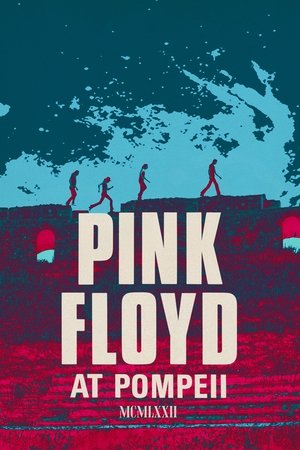
British progressive rock band Pink Floyd perform at the ancient Roman Amphitheater in the ruins of Pompeii, Italy in 1971. Although the band perform a typical live set from the era, there is no audience beyond the basic film crew.
In 79 AD, one of the infamous natural disasters in human history occurred when Mount Vesuvius erupted. With speculative dramatizations of various inhabitants' final hours along with detailed documentation of the known facts concerning the eruption, the horrific day is vividly brought to life.
Narrated by Sir Derek Jacobi - star of the landmark television series "I, Claudius" - this documentary explores art and culture around the Bay of Naples before Mount Vesuvius erupted in AD 79. The bay was then the most fashionable destination for vacationing Romans. Julius Caesar, emperors, and senators were among those who owned sumptuous villas along its shores. Artists flocked to the region to create frescoes, sculpture, and luxurious objects in gold, silver, and glass for villa owners as well as residents of Pompeii and other towns in the shadow of Vesuvius. The film concludes with the story of the discovery of Pompeii and Herculaneum from the 18th century onward.
Bombing Pompeii
A story about one of the most famous and mysterious archaeological sites in the world.
In the beginning was sex. To the ancient cultures, sexuality, love and sex were inextricably connected with the creation of the earth, the heavens and the underworld. To the citizens of the ancient civilizations that gave birth to ours, sensuality and sexuality were an integral part of society. This series exploration of Egyptian and Roman sexual practice allows viewers the opportunity to see how attitudes and beliefs about sexuality functioned in the early civilizations, and how those attitudes reveal the unspoken rules that defined public and private behavior. Episodes cover human sex and sexuality from a historical perspective, and examines in detail different texts and images which provide us with evidence about sexual practices, beliefs and ideologies in the ancient world – from erotica on pots to legal texts, phallic votive objects, fertility ceremonies, prostitution, female and hermaphroditic creator deities, from religious rituals to sex manuals.
The volcanic eruption that ravaged Pompeii in year 79 is one of the most famous in history. It is known how its victims died, but how did they live? A new insight into the lives of the people who lived in the shadow of Mount Vesuvius before its cataclysmic eruption.
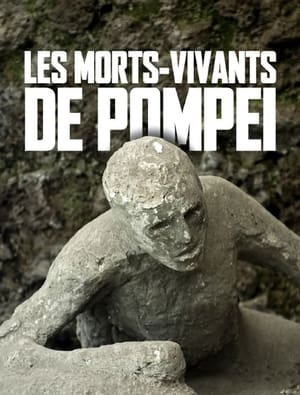
Forensic experts scan Pompeii’s victims to investigate why they didn’t escape the eruption.
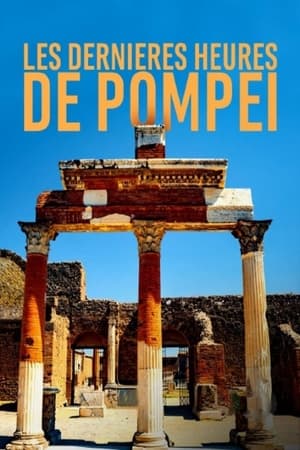
Last Hours of Pompeii
What life was like in the ancient Roman city of Pompeii moments before it was devastated by the eruption of Mount Vesuvius in A.D. 79.
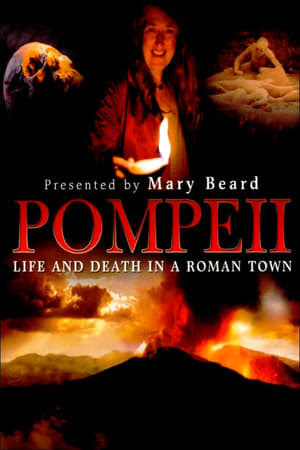
With unparalleled access to Pompeii and featuring cutting-edge modern technology, Mary Beard guides us through this amazing slice of the ancient world.
In a one off landmark drama documentary for BBC One, Dr Margaret Mountford presents Pompeii: The Mystery Of The People Frozen In Time.
Stanotte a Pompei
For the first time, and thanks to new archaeological excavations, this documentary reveals how Pompeii, the pride of its builders, developed, from its origins at the end of the seventh century BC until the eruption of Vesuvius in 79 AD. The use of CGI and 3D mapping provides a very clear view of this ancient superstructure and eight centuries of urban evolution. We will revive this great historical fresco through accounts by international archaeologists and historians. Pompeii: The Origins is a journey to the heart of an ancient ‘motion designed’ city.
Archaeologists have just uncovered entirely new areas and villas in ancient Pompeii… the first excavation there in 70 years. Get exclusive access to the dig and see how new artifacts and new DNA science are changing history. And through the use of sophisticated Hollywood production techniques and reenactments, discover the real stories of what happened to the unfortunate souls who didn’t escape to the city gates. This is the devastating account of the final hours of that fateful day in October 79AD.
On the 24th August 79 AD, the eruption of Vesuvius eradicated the cities of Pompeii and Herculaneum. This extraordinary film uses visual effects and archaeological findings to chronicle the last 24 hours of Pompeii. Remains of 300 citizens trapped in beach-side crypts allow scientists to reconstruct local life in the First Century after Christ. Computer graphics recreate the scale of the eruption.
George Albert Smith and Charles Urban snaffled the plum job of travelling to Italy to take a series of views of Italy for the Warwick Trading Company, including this one. The long panning shots of Pompeii linger respectfully, as a tourist would, before the camera finally raises its eye to the mighty volcano looming in the distance beyond.