Convergence : entre sentiers et océans
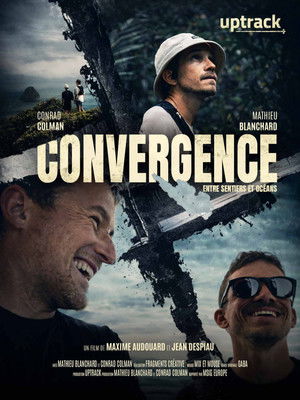
A group of artists settle in a swamp on the banks of the Indre River. Meanwhile, a voice describes a utopian world.
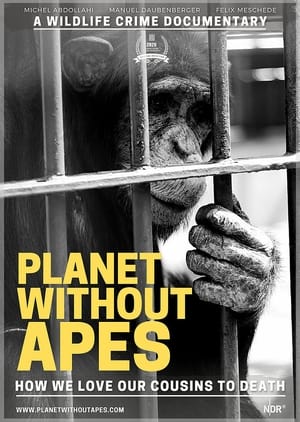
Humans hunt for baby apes. But things are not always done properly when chimpanzees and orangutans are acquired for zoos or shows. And even the endangered bonobos are no exception.
Filmed over 23 years, Rise of the Warrior Apes tells the epic story of an extraordinary troop of chimpanzees in Ngogo, Uganda – featuring four mighty warriors who rule through moral ambiguity, questionable politics, strategic alliances and destroyed trust.
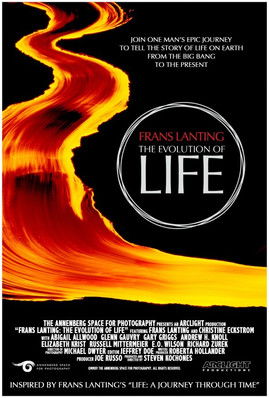
A dazzling journey through time via the remarkable images of National Geographic photographer Frans Lanting and his epic "LIFE" project, which presents a stunning interpretation of life on Earth, from the Big Bang through the present.
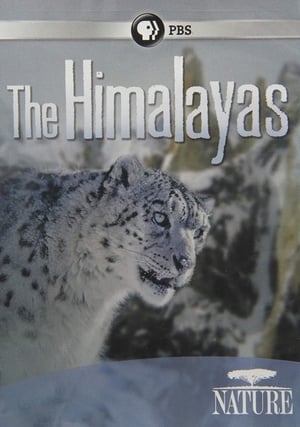
The highest mountain range in the world, the Himalayan range is far reaching, spanning thousands of miles, and holds within it an exceptionally diverse ecology. Coniferous and subtropical forests, wetlands, and montane grasslands are as much a part of this world as the inhospitable, frozen mountaintops that tower above. The word Himalaya is Sanskrit for abode of snow, fitting for a stretch of land that houses the world’s largest non polar ice masses. Extensive glacial networks feed Asia's major rivers including the Ganges, Indus, and Brahmaputra. More than a billion people rely on these glacier-fed water sources for drinking water and agriculture. The Himalayas are not only a remarkable expanse of natural beauty. They're also crucial for our survival.
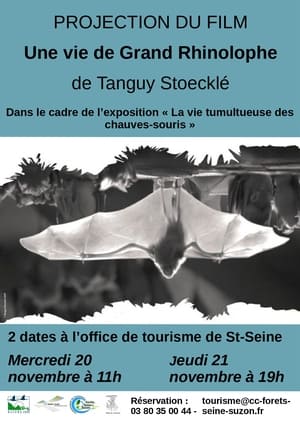
There is a fabulous colony of Greater Horseshoe Bats in the heart of the Camargue. This species of bat is one of the most amazing. A true little clown equipped with the very latest biological technologies, the Greater Horseshoe Bat is as rare as it is mysterious. "The life of a Greater Horseshoe Bat" invites you to share the life of a young female and her mother, for better or for worse...
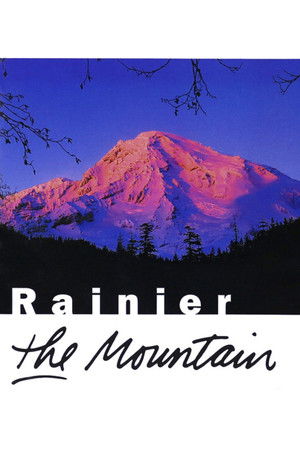
In this retrospective tribute, acclaimed filmmaker Jean Walkinshaw hails the 100th anniversary of Mount Rainier National Park in Washington by talking to those who know it best: the scientists, naturalists, mountain climbers and artists whose lives have been touched by the peak's far-reaching shadow. The result is a harmonious blend of archival material and high-definition footage celebrating an icon of the Pacific Northwest.
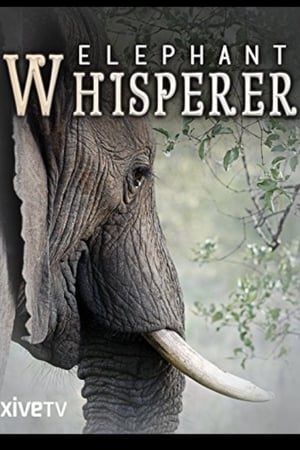
Sangduen Chailert, or Lek, as she is generally known, has already rescued over 200 elephants. She has dedicated her life to saving the Asian elephant and founded a special camp, The Elephant Nature Park to protect them. We follow this winner of Time Magazine’s “Asian Hero of the Year” Award in her work. Lek is on a mission to save the Asian elephant in her native Thailand. This film looks at the plight of the Asian elephant, as it goes from being a widely used domestic animal, to becoming a burden on modernizing communities. With experts predicting its extinction within four decades, Lek’s work is needed now more than ever and she has gathered a large group of supporters and volunteers in her quest for a better future for the Asian elephant. This moving film demonstrates Lek’s natural understanding of and rapport with these huge animals and will stir the viewers emotions as it highlights the often desperate state some elephants are kept in.
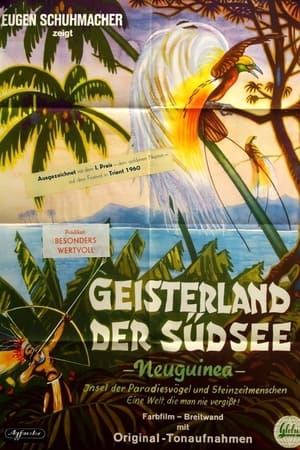
The island of New Guinea is the setting for this film, which focuses on the landscape, the life of the Papuans and their ritual festivals and spirit dances. The colorful birds of paradise are the pride of the islanders. Among the more than 40 species, the smallest, the "Little King" with blood-red plumage, can also be found on the island.
Narrated by actor Tim Daly, the show looks at the dilemma of Black Bears living so close Los Angeles. Film features homeowners Brian and Rick who are dealing with Bears swimming in their pool; and features state Fish and Wildlife Officers.
Baby cougars and how they grow up.
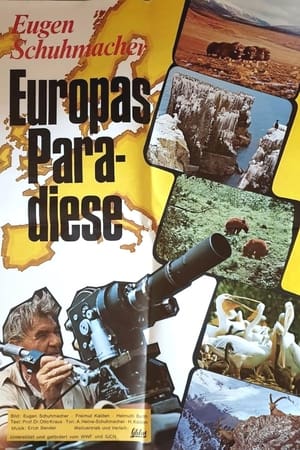
Eugen Schuhmacher focuses on endangered and rare animal species such as the European bison and the Northern bald ibis as well as the general fauna of the diverse and species-rich continent of Europe. The need to protect nature and animals is made impressively clear through the power of images.
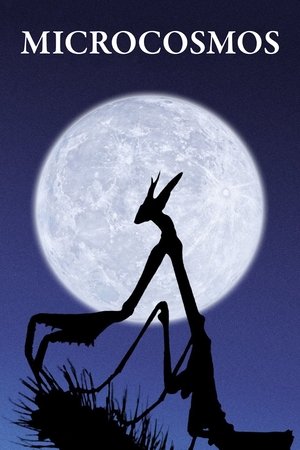
A documentary of insect life in meadows and ponds, using incredible close-ups, slow motion, and time-lapse photography. It includes bees collecting nectar, ladybugs eating mites, snails mating, spiders wrapping their catch, a scarab beetle relentlessly pushing its ball of dung uphill, endless lines of caterpillars, an underwater spider creating an air bubble to live in, and a mosquito hatching.
From a lonely childhood to literary fame, her life was shaped by devotion to nature, paying attention, and the long journey toward learning to love and to be loved. If poetry had a pop icon, Mary Oliver would be it.
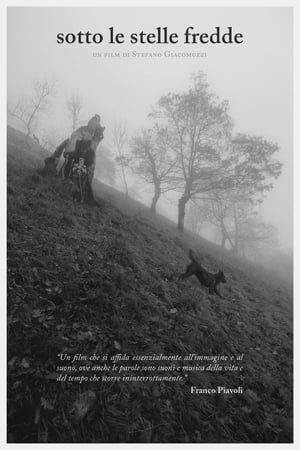
Set in the mountains of northeast Italy, this film may be considered an observational documentary about rural life. Although this is undeniably the case, at the same time Under the cold stars can hardly be considered a documentary: the microcosm on which it focuses appears to be a reflection of a broader reality and perhaps a way to deal with the themes of man’s existence and his relationship with animals, nature and, most importantly, with time. As written by Franco Piavoli "it is a film which essentially relies on images and sound, where words themselves are sound and the music of life, of the relentless flow of time."
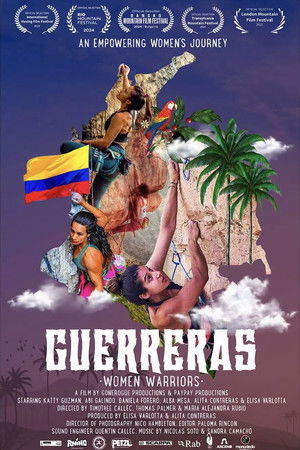
Seven Latina climbers reflect on how the mountain has guided them through life’s toughest challenges. Their hearts beat as they make the first female ascents of difficult routes, climb 5,000-meter peaks, and free solo traditional routes. We journey with them through their memories and current adventures as they share stories of grief, eating disorders, domestic violence, motherhood, and bicultural identity.
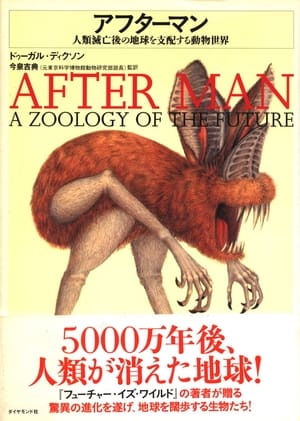
A stop-motion adaptation of the 1981 novel by geologist Dougal Dixon of the same name, which explores the speculative paths of evolution of modern animals into the far future.
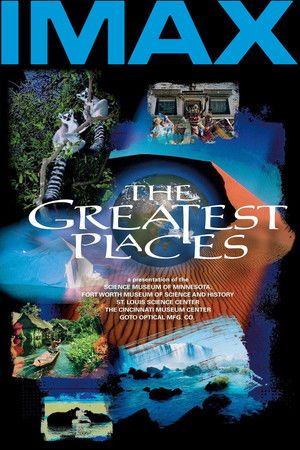
A journey to seven of the most geographically dynamic locations on earth. The film features spectacular land forms, diverse wildlife and the people and cultures indigenous to these places. Distinct geographic places include the great island of Madagascar, home to unique limestone pinnacles and the playful lemur; and the greatest desert—the Namib—home of the largest sand dunes in the world that tower majestically over its western border, the Atlantic Ocean. Other locations featured are the great icecap of Greenland, Iguazu Falls in Brazil, the Okavango Delta in Botswana, the Chang Tang Plateau in Tibet, and the Amazon River in South America.
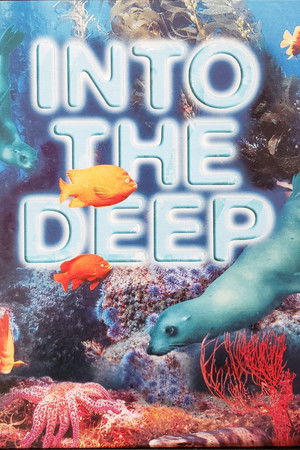
An underwater exploration beneath kelp forests in the Pacific Ocean off the coast of Southern California. The film captures the birth of a shark, squids mating, a lobster molting, a fish protecting its nest from an octopus and a sea urchin, and the sea bed covered with brittle stars.