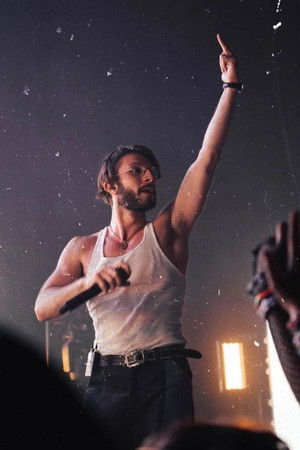
Documentary of bbno$’s concert tour through Australia and New Zealand
This film features some of the most important living Postmodern practitioners, Charles Jencks, Robert A M Stern and Sir Terry Farrell among them, and asks them how and why Postmodernism came about, and what it means to be Postmodern. This film was originally made for the V&A exhibition 'Postmodernism: Style and Subversion 1970 - 1990'.
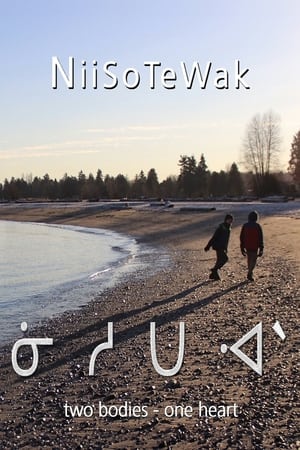
NiiSoTeWak means “walking the path together.” Tapwewin and Pawaken are 10-year-old brothers trying to make sense of the world, their family and each other. They’re already grappling with some heady questions about identity. What does it mean to be a twin? What does it mean to be Cree? How do you define yourself when you’re forever linked to someone else? The twins discuss these questions with their two elder brothers — 22-year-old actor Asivak and 20-year-old basketball player Mahiigan — and their parents, Jules and Jake.
Yagorihwanirats, a Mohawk child from Kahnawake Mohawk Territory in Quebec, attends a unique and special school: Karihwanoron. It is a Mohawk immersion program that teaches Mohawk language, culture and philosophy. Yagorihwanirats is so excited to go to school that she never wants to miss a day – even if she is sick.
Interview of Ayako Fujitani and her dad Steven Seagal.
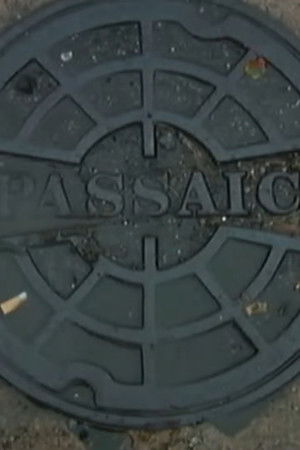
A short documentary, looking at life in Passaic, New Jersey, whilst the film Be Kind Rewind (2008) is being shot there.
This documentary, the final film directed by Frank Capra, explores America's plans for the future of space exploration. It was produced by the Martin-Marietta Corporation for exhibition in the Hall of Science at the 1964 New York World's Fair.
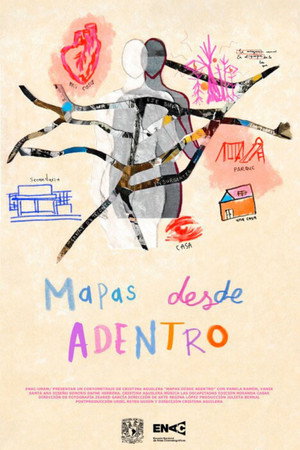
During a drawing workshop, a girl traces on the wall of her room the memory of her sexual abuse; a young woman recalls the night in which the deception of those she once called friends turned into harassment. By sharing the stories with other girls and women, they realise that these are not isolated events but fragments of a shared wound.
Legendary drag performer Ocaña in performance with a cardboard Marilyn on the west side of the Berlin Wall.
Holocaust Denial vs. Freedom of Speech
This video focuses primarily on the implications of the structure and format of television, especially the consequences of concision, and how these factors can shape the messages of the medium. In addition, other issues, such as how democracies handle dissenters, and how the mainstream media have treated the challenges of Noam Chomsky's media critiques are explored. The media construct reality, and in the conclusion we see the author participating in that very process.
Beginning with Noam Chomsky's response to a college student who role-plays "Jane U.S.A."--someone who naively believes she lives in a democratic society in which she can create her own destiny--the viewer is presented with a cross-section of typically lively Chomsky encounters. Central to a functioning democracy is the necessity of free access to information, ideas and opinions. But what should be our democratic right turns out to be limited and shaped by the biases of insitutions and ideologies within the mass media. Chomsky shows how governments, corporations and other elites manufacture the consent of the public to serve their interests.
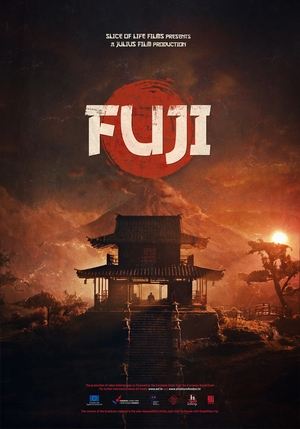
A short documentary about the former judoka Marina and her Judo Club for People with Disabilities - "Fuji". Its brave members cope with all things Judo and real-life challenges, but always with a smile and the heart of a true judoka.
The life and death of the fictional star Wilma Montesi is reported in the form of a staged newsreel. Excerpts from films of various genres and eras are juxtaposed with "documentary material" about the star's public and private life. By stringing together clichés and cinematic quotations, a certain reporting and narrative style about the glamor and misery of show business is presented in a critical and ironic, but at the same time entertaining way.
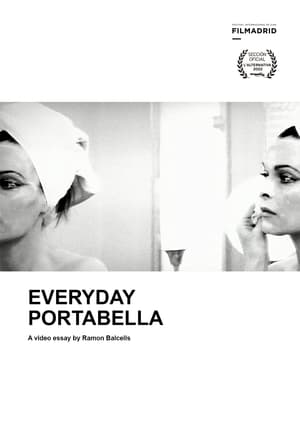
Everyday Portabella
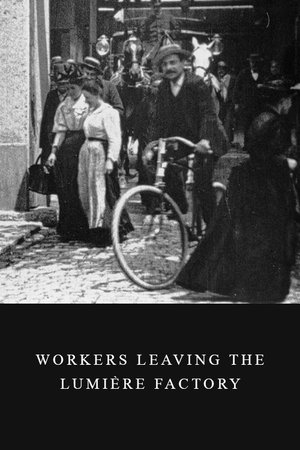
“The workers leave the Lumière factory.” Workers pass through the gate of the Lumière factory and are followed by a carriage drawn by two horses.
An insight into the watchmaking craft.
A look at the history of jazz, which has its origins in the music of Africans enslaved to North America 300 years ago.
Piwowski’s most controversial documentary, a portrait of Czesław Niemen (1939-2004), an outstanding musician and vocalist, a year after the legendary song "Strange Is This World" was released.
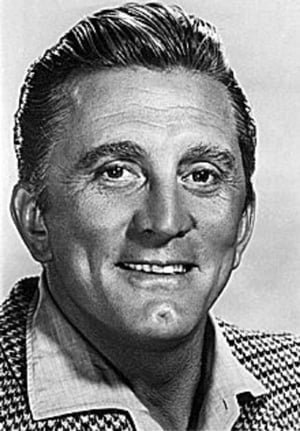
The 1966 visit of Hollywood movie star Kirk Douglas at the legendary Polish State Film School in Lódz.