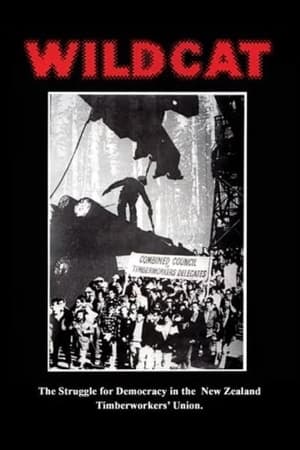
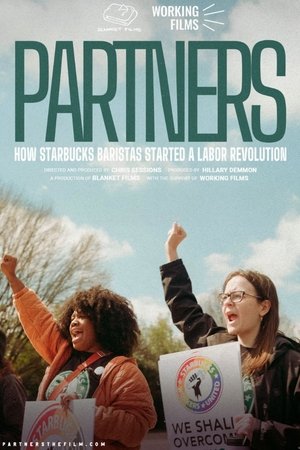
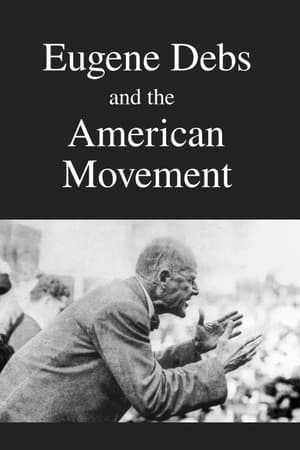
This film takes us into the harsh realm of BC's early coal mines, canneries, and lumber camps; where primitve conditions and speed-ups often cost lives. Then, the film moves through the unemployed' struggles of the '30s, post WWII equity campaigns, and into more recent public sector strikes over union rights.
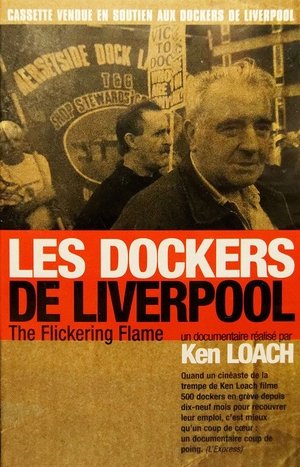
Documentary following dockers of Liverpool sacked in a labour dispute and their supporters’ group, Women of the Waterfront, as they receive support from around the world and seek solidarity at the TUC conference.
The current trend to render prostitution a profession "as any other" is belied by women who were themselves prostitutes. With clarity and courage, the women in this film reveal the hidden face of that so-called "sex work". They are 22, 34 or 48 years old; they live in Montreal, Quebec and Ottawa - They have recently given up prostitution, or are trying to escape it. These women are leading the bitter fight to turn their lives around and it is a long and lonely struggle fraught with difficulties. Shot in a Cinéma Vérité style, The Fallacy (L'imposture) takes us to the heart of their realities.
In their own words, this is the story of six women from the South Wales valleys and how they helped sustain the bitter year-long miners' strike, changing their lives forever.
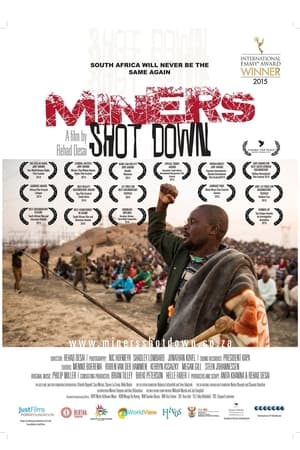
In August 2012, mineworkers in one of South Africa’s biggest platinum mines began a wildcat strike for better wages. Six days later the police used live ammunition to brutally suppress the strike, killing 34 and injuring many more. Using the point of view of the Marikana miners, Miners Shot Down follows the strike from day one, showing the courageous but isolated fight waged by a group of low-paid workers against the combined forces of the mining company Lonmin, the ANC government and their allies in the National Union of Mineworkers.
Filmed in the coal country of West Virginia, "Matewan" celebrates labor organizing in the context of a 1920s work stoppage. Union organizer, Joe Kenehan, a scab named "Few Clothes" Johnson and a sympathetic mayor and police chief heroically fight the power represented by a coal company and Matewan's vested interests so that justice and workers' rights need not take a back seat to squalid working conditions, exploitation and the bottom line.
At New Mexico's Empire Zinc mine, Mexican-American workers protest the unsafe work conditions and unequal wages compared to their Anglo counterparts. Ramon Quintero helps organize the strike, but he is shown to be a hypocrite by treating his pregnant wife, Esperanza, with a similar unfairness. When an injunction stops the men from protesting, however, the gender roles are reversed, and women find themselves on the picket lines while the men stay at home.
This film documents the coal miners' strike against the Brookside Mine of the Eastover Mining Company in Harlan County, Kentucky in June, 1973. Eastover's refusal to sign a contract (when the miners joined with the United Mine Workers of America) led to the strike, which lasted more than a year and included violent battles between gun-toting company thugs/scabs and the picketing miners and their supportive women-folk. Director Barbara Kopple puts the strike into perspective by giving us some background on the historical plight of the miners and some history of the UMWA. Preserved by the Academy Film Archive in partnership with New York Women in Film & Television in 2004.
When workers at the Hormel meatpacking plant in Austin, Minnesota are asked to take a substantial pay cut in a highly profitable year, the local labor union decides to go on strike and fight for a wage they believe is fair. But as the work stoppage drags on and the strikers face losing everything, friends become enemies, families are divided and the very future of this typical mid American town is threatened.
A documentary centered on the union formed by Bolivian farmers in response to their government's (which was urged by the U.S.) effort eradicate coca crops, and the man who would come to represent them, Evo Morales.
This is the story of a team of 40 agents facing 4,000 job seekers at a job centre in the Parisian suburbs. Samia, Corinne, Thierry, Zuleika must support and monitor, bring in the numbers, obey policy guidelines and communication injunctions, and find job offers while none is to be found. Will their strong sense of humor save them from the Kafkaian world they work in?
Shrouded in secrecy and notoriously cash-strapped the North Korean regime has resorted to running one of the world's largest slaving operations - exploiting the profits to fulfil their own agenda. These bonded labourers can be found in Russia, China and dozens of other countries around the world including EU member states. Featuring undercover footage and powerful testimonials, we reveal the scale and brutality of the operation and ask what, if anything, is being done to stop it.
Brothers on the Line explores the extraordinary journey of the Reuther brothers – Walter, Roy, and Victor – union organizers whose unshakeable devotion led an army of workers into an epic human rights struggle.
Through the eyes of a Quebec Jewish activist, Lea Roback, feminist, unionist, pacifist and communist, A VISION IN THE DARKNESS proposes a modernist vision of Quebec history, from the beginning of the twentieth century to the period knows as « La Grande Noirceur », the Great Darkness.
Mémoires d'un condamné
Unraveling one of the biggest environmental scandals of our time, a group of citizens in West Virginia take on a powerful corporation after they discover it has knowingly been dumping a toxic chemical — now found in the blood of 99.7% of Americans — into the local drinking water supply.
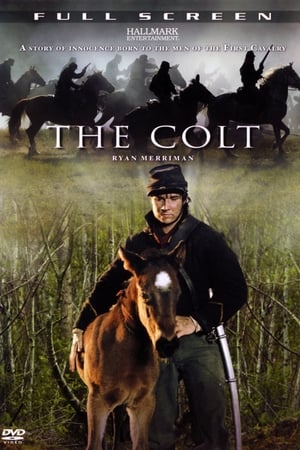
During the heat of battle in the midst of the Civil War, a beguilingly innocent colt is born to Union Jim Rabb's beloved mare. Refusing the orders to shoot it, lest it prove a hindrance, Rabb keeps the colt as a consolation in these desperate times-a symbol of hope that leads the men of the First Cavalry on a journey of self-discovery and newfound brotherhood.
Documentary marking the 30th anniversary of the 1984 miners' strike, one of the bitterest industrial disputes in British history, with stories from both sides of the conflict.
Filmmaker Gary Kaunonen of KCC-TV in International Falls just released a new documentary about a pivotal time in Northern Minnesota’s labor history. It’s called “Northern Minnesota’s Labor Wars.” The years 1916 and 1917 brought major labor uprisings in the mines of the Mesabi Iron Range and the lumber camps of the state’s far northern pine forests. These events not only shaped local history, but became vital turning points in the national and international labor movement.
A drama about explorer John Smith and the clash between Native Americans and English settlers in the 17th century.