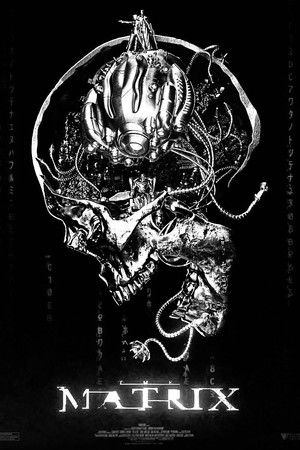
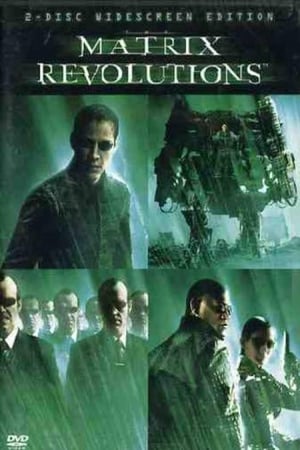
This making-of piece includes remarks from production designer Owen Paterson, concept artist George Hull, visual effects supervisor John Gaeta, US unit production manager L. Dean Jones Jr., US model unit special effects coordinator Geoffrey Heron, Zion unit sequence lead Rodney Iwashina, high speed first assistant camera Paul Sanchez, US model unit art director Nanci Noblett, conceptual designer Geofrey Darrow, model shop supervisor Michael Lynch, US model unit producer David Dranitzke, prop maker foremen Dave Fogler and Fon Davis, and visual effects supervisor John "DJ" Des Jardin.
De(s)amparo, polifonía familiar
This thirty-minute documentary follows the Wachowski sisters and the film's crew through production on the film's famed highway chase sequence. We get interviews with the visual effects supervisors, the stunt coordinators and even are taken through aspects of pre-production and planning for the scene. Then the documentary moves into production, the scariest aspect of which is certainly Carrie Anne-Moss trying to learn to ride a motorcycle good enough to do so safely without helmet for the scene. We also watch as the stretch of freeway used in the film is being built.
This making-of piece offers the standard mix of movie snippets, behind the scenes materials, and interviews from cast and crew on the making of the film.
Alfred DesRochers, poète
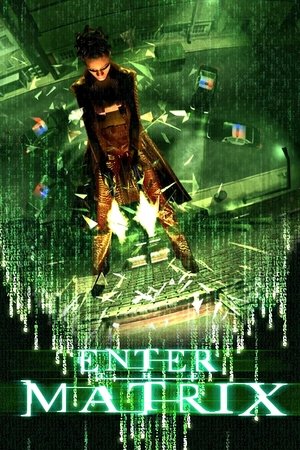
A look at Enter the Matrix: The game's story picks up just before The Matrix Reloaded and runs parallel to that of the film. Bend the rules of the Matrix with martial arts, pilot the fastest hovercraft in the fleet, or just fight with lots of guns.
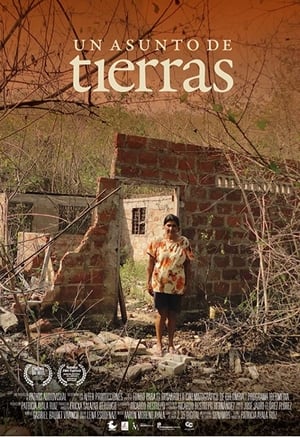
A Matter of Land recounts the first year of application of Colombian's Land Restitution Act from the perspective of a community who decide to engage with the process. The film explores the tensions that arise when such communities come face to face with the complex institutions responsible for enforcing the law. The result of these tensions is a narrative worthy of Kafka, in which a doorway to justice is opened for the sole purpose of demonstrating that no one can pass through it.
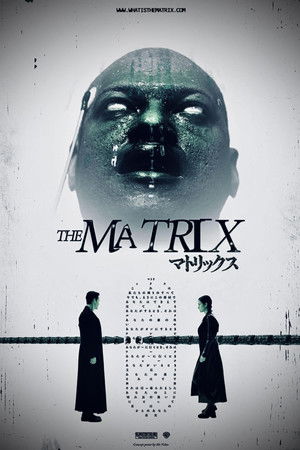
A featurette about the special effects of The Matrix Trilogy
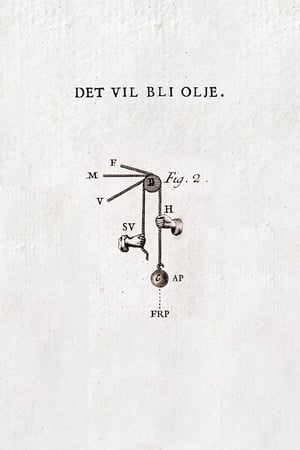
There Will Be Oil is a documentary portrayal of the oil debate in Loften and Vesterålen.
The special effects of the Agent Smith scenes in Matrix Revolutions
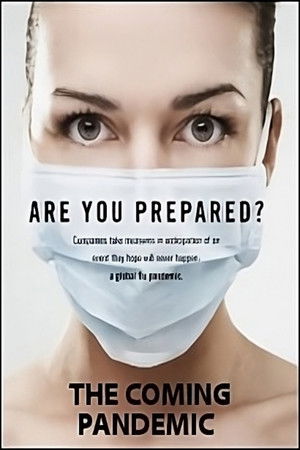
It's the disease the world has been fearing. No country is prepared. Scientists now believe it's only a matter of time before another major epidemic kills millions. The most likely source is a mutation of the influenza virus, killing birds and humans across Asia. But what would happen if such a virus struck? Can anything be done to prepare?
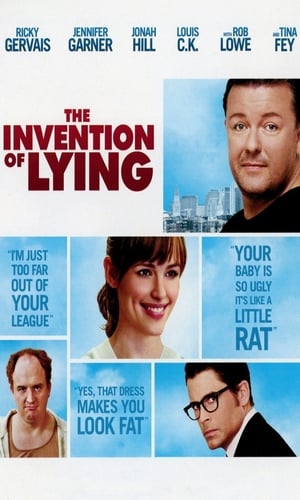
The cast share their thoughts on Gervais, his laugh, and the art of "corpsing," when Gervais can't keep a scene together before laughing. A longer reel of corpsing and outtakes follows
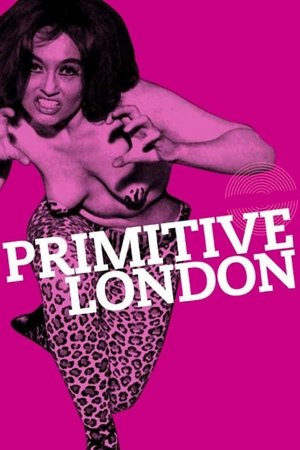
The sensational follow-up to "London in the Raw," "Primitive London" sets out to reflect society's decay through a sideshow spectacle of 1960s London depravity—and manages to outdo its predecessor. Here, we confront mods, rockers and beatniks at the Ace Café, cut some rug with obscure beat band The Zephyrs, smirk at flabby men in the sauna and goggle at sordid wife-swapping parties as we discover a pre-permissive Britain still trying to move on from the post-war depression of the 1950s.
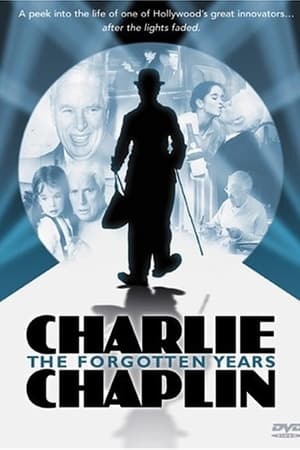
While silent-film star Charlie Chaplin may have charmed American audiences with the onscreen antics of his lovable "Tramp" character, the actor's private life was marred by a series of public scandals that eventually pushed him into exile. In addition to his penchant for much younger women, Chaplin was unjustly hounded by Senator Joe McCarthy's notorious anti-Communist witch hunts, for which the U.S. revoked his visa in 1952. A bitter and disenchanted Chaplin responded by moving his family to Switzerland, where he remained until his death in 1977. This documentary chronicles Chaplin's life and career during those so-called "forgotten years" (during which he became a prolific and highly respected film-score composer) through previously unreleased archival footage and intimate interviews with his friends and family, including his children Geraldine, Michael, and Eugene.
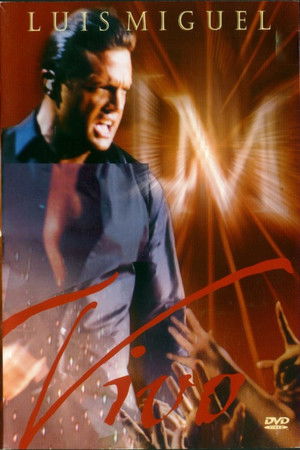
Vivo is the second live album recorded by singer Luis Miguel. It was released on 3 October 2000. This concert was recorded on April 18, 2000 in Monterrey, Mexico during the last presentation of Luis Miguel's Amarte Es Un Placer Tour in Mexico. For this recording the artist received a Latin Grammy nomination on 2001 for Best Male Pop Vocal Album and also a nomination for a Grammy Award for Best Latin Pop Album on 43rd Grammy Awards[1]. It includes two songs never recorded before by the artist: "Y" and "La Bikina", which were released as singles.
The film begins as a personal journey of filmmaker, Mary Healey, who was also a Catholic. She films a series of historic events where we meet key players involved in the sexual abuse scandal, including victims, whistle-blower priests and a senior ranking US Cardinal who is called upon by the Vatican to control a waxing maelstrom.
A documentary about the myth of clean coal. The film reveals the true, hidden environmental and social costs of the 'cheap' nineteenth century technology that still provides more than half the electricity powering today's digital age.
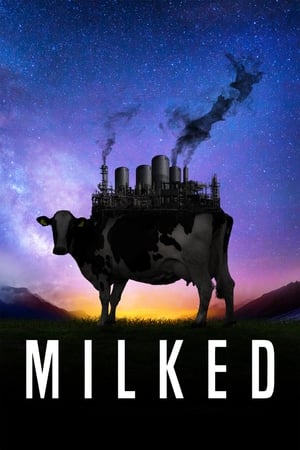
A young activist goes deep into dairy land where he takes on the giants of New Zealand's most powerful industry, and reveals how the sacred cash-cow industry has been milked dry. His journey exposes not only the sustainability crisis and the dangerous denial of impending agricultural disruption, but also what New Zealand and other countries can do to change their fate.
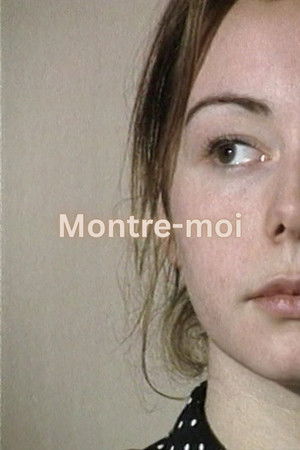
Apprentice director Emmanuel Mouret submits a group of apprentice actors to a series of experiences: to what extent are they ready to expose themselves, either physically or psychologically, in the eyes of their director first, and then of the viewers?
A decade before Steve Jobs introduced the iPhone, a tiny team of renegades imagined and tried to build the modern smartphone. Nearly forgotten by history, a little startup called Handspring tried to make the future before it was ready. In Springboard: The Secret History of the First Real Smartphone, The Verge’s Dieter Bohn talks to the visionaries at Handspring and dives into their early successes and eventual failures.