East of Walbrzych
From a small garage in Redmond, Washington, to the furthest corners of the earth, Funko's story is one that is centered around the fans and the global community that arose from their unique passion - a story that spans twenty years full of joy, ambition, adversity, and... well... toys.
Homo Plastic is a journey into the heart of the Plastic Age. From the icy waters of Antarctica to the most remote tropical shores, no place is free from pollution. This documentary explores how an invention that transformed the way we live has ultimately altered life itself. Plastic doesn't just float in the oceans—it has infiltrated our bodies, our landscapes, and our history. With both scientific precision and emotional depth, the film maps out a global crisis we can no longer ignore. A portrait as haunting as it is beautiful, reflecting the price of progress... but also the possibility of rewriting our legacy.
Océania, les gardiens de l'océan
Something in the Air is a one hour documentary that shows new risks in the most essential element for survival – air – that affect our brains, our DNA, and how new technology is changing the equation for the better.
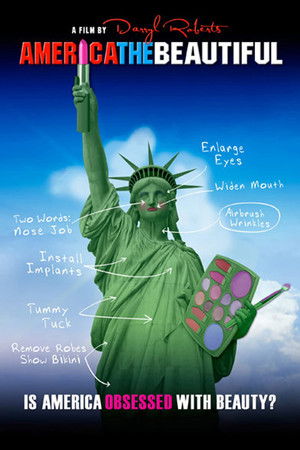
In a society where "celebutantes" like Paris Hilton dominate newsstands and models who weigh less than 90 pounds die from malnutrition, female body image is one of the more dire problems facing today's society. "America the Beautiful" illuminates the issue by covering every base. Child models, plastic surgery, celebrity worship, airbrushed advertising, dangerous cosmetics - no rock is left unturned.
A compilation of conferences/debates between renowned designers, environmental activists, and students on the concept of design. Held in Aspen, Colorado, USA.
More than two decades after the Clean Water Act was supposed to make America’s waters clean enough for swimming and fishing again, two iconic waterways — the great coastal estuaries of Puget Sound and the Chesapeake Bay — are in perilous condition. With polluted runoff still flowing in from industry, agriculture and massive suburban development, scientists fear contamination to the food chain and drinking water for millions of people. A growing list of endangered species is also threatened in both estuaries. As a new president, Congress and the states set new agendas and spending priorities, FRONTLINE correspondent Hedrick Smith examines the rising hazards to human health and the ecosystem, and why its so hard to keep our waters clean.
Branda has hit rock bottom. Her addiction has spiralled so far out of control that medical intervention is the only option left. She's forced to confront her darkest demons in order to lick her deadly appetite, and must apply all 12 steps to her four stomachs - Branda is a cow addicted to eating plastic bags. It's easy to find humour and irony in Branda's toxic lifestyle, harder to admit that we're the ones being ridiculed.
Werner Boote presents an up-close and personal view of the controversial and fascinating material that has found its way into every facet of our daily lives: plastic. He takes us on a journey around the globe, showing that plastics have become a threat for both environment and human health.
99% of the plastic that should be floating in the oceans is missing. Even accounting for the plastic that washes up on beaches or is trapped in arctic ice, millions of tonnes has simply disappeared. As most plastic never deteriorates, it simply breaks down into smaller and smaller particles that are invisible to the human eye, what happens to this missing ocean plastic is a mystery. In this investigation, scientists embark in search of the micro-plastics. Small, mostly invisible, toxic, they are home to the new ecosystem: the plastisphere. But where are they? Ingested by organisms? Buried under the ocean floor? Degraded by bacteria? And what is the impact of them entering the food chain?
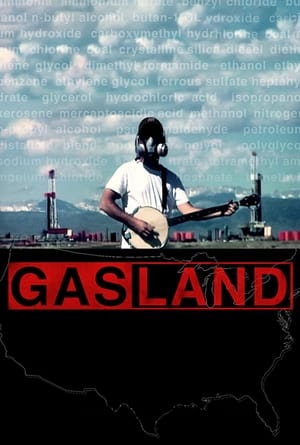
It is happening all across America-rural landowners wake up one day to find a lucrative offer from an energy company wanting to lease their property. Reason? The company hopes to tap into a reservoir dubbed the "Saudi Arabia of natural gas." Halliburton developed a way to get the gas out of the ground-a hydraulic drilling process called "fracking"-and suddenly America finds itself on the precipice of becoming an energy superpower.
A surrealistic look at the future if man does not learn to control pollution.
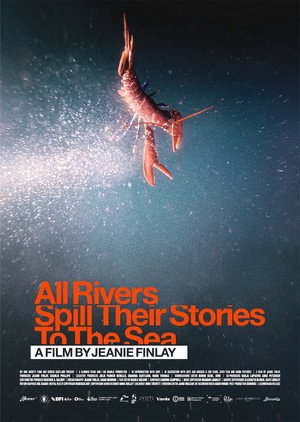
On England’s North East coast, where rivers, heavy industry and the sea have shaped lives for generations, fisherman Stan Rennie is watching the world he knows disappear. His family have worked these waters for generations. Then, almost overnight, thousands of dead crabs and lobsters wash ashore, and a community already living with uncertainty is pushed into crisis. Teesside filmmaker Jeanie Finlay brings warmth, wit and deep local feeling to this David-and-Goliath story of environmental damage, official evasions and working-class resilience. At its centre is Stan: funny, stubborn, vulnerable and increasingly determined to be heard.
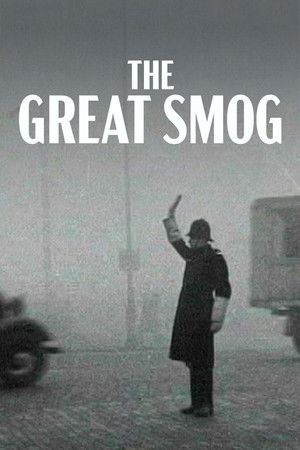
For five days in December 1952, a thick smog suffocated the British capital causing the death of thousands of Londoners. The health catastrophe lead to a realisation, in Britain and around the world, that air pollution was a serious threat to human health. This documentary reveals what happened, hour by hour, in one of the worst peacetime disasters of the 20th century.
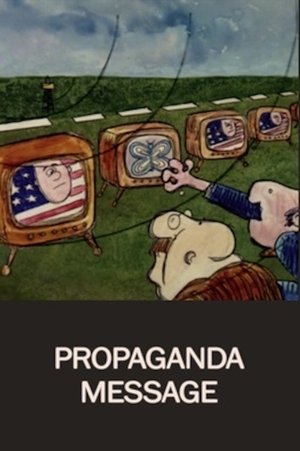
A cartoon film about the whole heterogeneous mixture of Canada and Canadians, and the way the invisible adhesive called federalism makes it all cling together. That the dissenting voices are many is made amply evident, in English and French. But this animated message also shows that Canadians can laugh at themselves and work out their problems objectively.
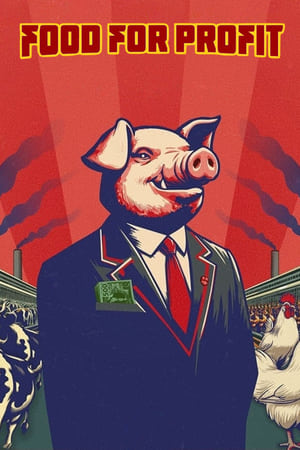
The film exposes the links between Agrifood and politics. With a pool of international experts it analyses the many problems related to factory farming: water pollution, migrants exploitation, biodiversity loss and antibiotic resistance.
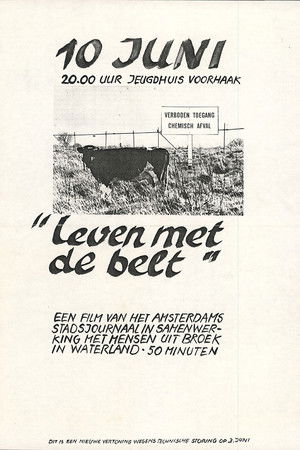
In Leven met de belt (Life With A Rubbish Heap), filmmaker Rosemarie Blank portrays with great empathy the residents of the Volgermeerpolder near Broek in Waterland in The Netherlands. They live with the physical and psychological consequences of a toxic waste dump on their doorstep.
Sur le Front des Océans
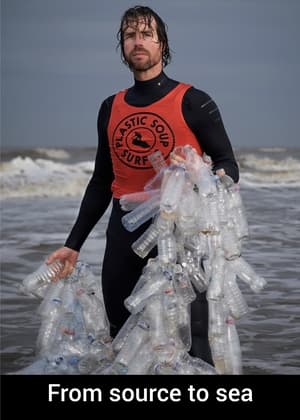
From Source to Sea