Sir David Attenborough narrates a documentary about the Kea, the world's only alpine parrot. Playful and destructive, it attacks cars, starts landslides and terrorises New Zealand ski resorts but behind the bad behaviour there's a sharp mind at work. David tries to play chess with a kea and discovers how its cheeky character is the key to its survival.
David Attenborough brings to life, in unprecedented detail, the last days of the dinosaurs. Palaeontologist Robert DePalma has made an incredible discovery in a prehistoric graveyard: fossilised creatures, astonishingly well preserved, that could help change our understanding of the last days of the dinosaurs. Evidence from his site records the day when an asteroid bigger than Mount Everest devastated our planet and caused the extinction of the dinosaurs. Based on brand new evidence, witness the catastrophic events of that day play out minute by minute.
A film featuring architect, sculptor, and musician Nobuo Kubota in a sound-sculpture performance. From within a cage-like structure filled with traditional musical instruments and sound-making devices fashioned from ordinary objects and toys, Kubota creates an aural/visual montage of musical notes and noises. Praised by music educators as a valuable tool for teaching creativity in sound exploration and musical innovation, the film reveals the infinite percussion possibilities of simple objects and presents a portrait of a versatile performer whose imagination has led him far beyond the confines of conventional music. Directed by Jonny Silver - 1982 | 20 min
David Attenborough narrates this close up look at these tiny pollinators captured in flight as never before. Acrobats of the air - flying jewels - iridescent partners of countless plants: hummingbirds are amongst the most remarkable creatures on our planet.
BBC The Natural World. In 2004, a team from the Planet Earth series captured the first ever film of a wild snow leopard in the mountains of Pakistan. For Nisar Malik, who led the expedition, these images sparked a passion that compelled him to return. With cameraman Mark Smith, he spent two years documenting the snow leopard's daily life, finally lifting the veil on the most elusive of all cats.
The highest mountain range in the world, the Himalayan range is far reaching, spanning thousands of miles, and holds within it an exceptionally diverse ecology. Coniferous and subtropical forests, wetlands, and montane grasslands are as much a part of this world as the inhospitable, frozen mountaintops that tower above. The word Himalaya is Sanskrit for abode of snow, fitting for a stretch of land that houses the world’s largest non polar ice masses. Extensive glacial networks feed Asia's major rivers including the Ganges, Indus, and Brahmaputra. More than a billion people rely on these glacier-fed water sources for drinking water and agriculture. The Himalayas are not only a remarkable expanse of natural beauty. They're also crucial for our survival.
Discover the evolutionary secrets of some of the world’s most majestic creatures. From voracious crocodiles and acrobatic birds to stupendous whales and majestic elephants, this documentary follows top scientists on a global adventure as they follow clues from the fossil record and change what we thought we knew about the evolution of iconic beasts.
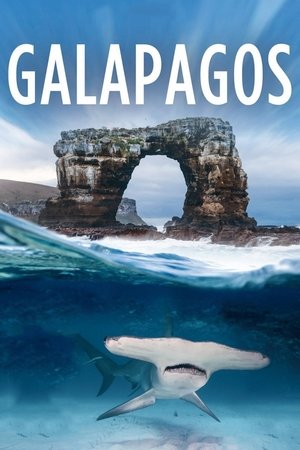
A look at the life on the Galápagos Islands.
An examination of whales.
By the late 1800s the free-ranging buffalo of the western plains of North America were almost extinct. This documentary is the story of the buffalo's revival. Live action, eye-witness accounts and archival photos document our fascination with this ancient and legendary animal.
A look into the lives of eagles.
Filmmaker Werner Herzog combs through the film archives of volcanologists Katia and Maurice Krafft to create a film that celebrates their legacy.
Follows Martin Strel as he attempts to cover 3,375 miles of the Amazon River in what is being billed as the world's longest swim.
Warru, or black-footed rock-wallaby, is one of South Australia's most endangered mammals. In 2007, when numbers dropped below 200 in the APY Lands in the remote north-west of the State, the Warru Recovery Team was formed to help save the precious species from extinction. Bringing together contemporary science, practical on-ground threat management and traditional Anangu ecological knowledge, this unique decade-long program has celebrated the release of dozens of warru to the wild for the first time.
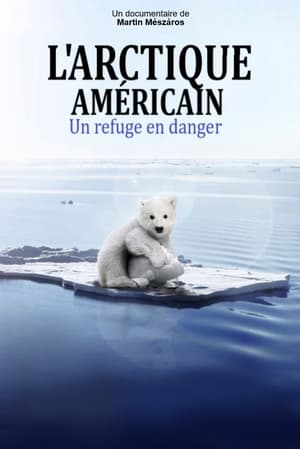
This documentary film focuses on the animal life that survives in this harsh arctic climates at the edge of the ice - from the simple algae to narwhals, polar bears, sea birds, seals, whales and walruses.
By land, by air, and by sea, viewers can now experience the struggle that millions of creatures endure in the name of migration as wildlife photographers show just how deeply survival instincts have become ingrained into to the animals of planet Earth. From the monarch butterflies that swarm the highlands of Mexico to the birds who navigate by the stars and the millions of red crabs who make the perilous land journey across Christmas Island, this release offers a look at animal instinct in it's purest form.
Narrated by Academy Award winners Sissy Spacek and Herbie Hancock, River of Gold is the disturbing account of a clandestine journey into Peru's Amazon rainforest to uncover the savage unraveling of pristine jungle. What will be the fate of this critical region of priceless biodiversity as these extraordinarily beautiful forests are turned into a hellish wasteland?
In Dark Green we follow conservationist and storyteller Paul Rosolie deep into the jungle of the Amazon, risking his life to learn more on this last remaining wilderness on earth.
This film documents the efforts of a group of Canadians and Americans to save the whooping crane from extinction. They display great determination in their dealings with this independent, pre-Ice Age creature. The issues of wild animals imprinting on people and the preservation of wild animals in captivity are examined in this film. Produced in cooperation with the Canadian Wildlife Service and the United States Fish and Wildlife Service.
First transmitted in 1961, David Attenborough travels to Meru National Park in Kenya to visit Joy and George Adamson and meet Elsa the lioness and her cubs shortly before Elsa's death.