As an outbreak of leprosy engulfs 19th-century colonial Hawai'i, a small group of infected Native Hawaiians resist government-mandated exile, taking a courageous stand against the provisional government. Inspired by real-life events.
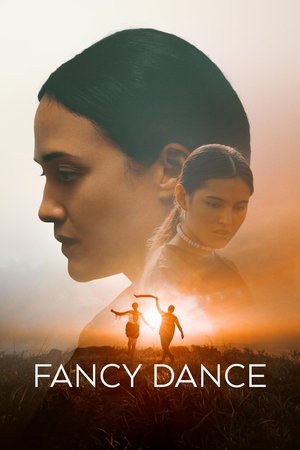
A young Polynesian woman trapped in the throes of an abusive relationship gets revenge by burning down her boyfriend's home. Fearing retaliation, she flees into the mountains of Kauai, Hawaii, where she discovers a mythical creature that guides her back to her ancestral roots.
In a fantastical and anachronistic world, Huashi visits Roqshelashé’s palace on behalf of the Qom community. Tired of oppression, the indigenous people demand an end to the exploitation of their territory.
Mani, a master’s student, returns to the reserve in northern Quebec where she grew up. Her painful past resurfaces. Resolved to reintegrate into the community, she gets involved in the debate around a referendum on allowing the free sale of alcohol on the reserve. Laura, a bootlegger, pockets the profits she makes there under the protection of the band council and her partner Raymond. The latter is still angry with Mani, whom he holds responsible for the death of his daughter in a fire. Opposing forces quickly divide the community into two sides who face each other to determine the best path to independence.
As a sea nomad, Hook grew up with the ocean as his universe. Now he must make a courageous voyage to salvage the remains of his dying culture
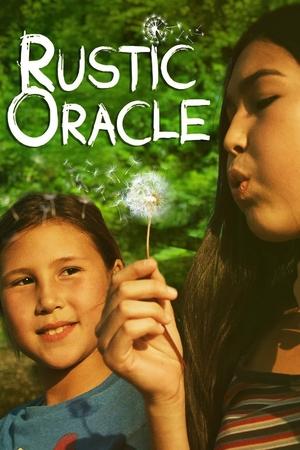
Set in the late 90s, Rustic Oracle is a dramatic feature about Ivy, an 8-year-old girl trying to understand what happened to her big sister who has vanished from their small Mohawk community. With minimal clues, Ivy and her mother Susan embark on an unwelcome journey to find Heather which will ultimately bring the pair closer together despite challenging circumstances. Behind the story of desperation, told through the eyes of a child, lies one of hope, growth, awakening and love.
Far from home and struggling to reconcile their Native identities with non-Native culture, Ray and Jolene negotiate a growing attraction as they're drawn together, in this reflective exploration of urban Aboriginal identity.
In this feature drama, a Canadian Indigenous youth attempts to find a place for himself. He faces culture shock as the educational system teaches him to be a white man and tries to find a way of life more meaningful to his Indigenous culture and ancestry.
Ten-year-old girl Olei lives with her grandparents and her only friend – Kaunikki the cow in a withering Karelian village on the shores of the White Sea. Suddenly, the girl's grandfather passes away. While her grandmother, gripped by the bitterness of loss, conducts funeral rituals, Olei seeks solace in Kaunikki’s company. But on the funeral eve Kaunikki disappears, and the only person, who could help find her, is dead.
On a summer day in the 1950s, a native girl watches the countryside go by from the backseat of a car. A woman at her kitchen table sings a lullaby in her Cree language. When the girl arrives at her destination, she undergoes a transformation that will turn the woman’s gentle voice into a howl of anger and pain.
A golden object mystifies a young man living in a traditional Solomon Islands village. He dreams of going to the city and wakes up in a nightmare that changes his life forever.
Yimin, the son of a carriage driver of Xinjiang ethnicity, is in love with Malihan. Malihan's father despises Yimin for his lowly background and forces his daughter to marry Bulate. Min then leaves town for development for 5 years and comes back as an army officer. However, Han has been forced to engage with Te. With Han defying the arrangement, Te challenges Min to a duel. Min catches the bullet meant for Te and wins him and Han's father to his side. But when war beckons, he sacrifices love to join the army. After the war, Min goes back to his hometown but everything has changed. Han and her whole family have gone without a trace. Min can only recall the past alone.
Ningiuksiak, an Inuk who lives in the settlement of Cape Dorset, is on a hunt with his family. On his way back to Cape Dorset, Ningiuksiak's snowmobile breaks down. Since he does not have the money to fix it he decides to leave his family and fly to the town of Frobisher Bay to make some money. Ningiuksiak's cousin in Frobisher Bay, Ashoona, a somewhat urbanized Inuk who makes his living as a construction worker or as a cab driver, has drifted away from hunting and the traditional way of life of the remote settlements. Ashoona takes Ningiuksiak in hand and helps him to get a job driving for the Nanook Taxi Company. Increasingly unhappy and bewildered, Ningiuksiak takes to spending his money on liquor and his time in seedy nightclubs. One night, half-heartedly trying to show that he is having a good time, he looks up and sees his wife. She has come to take him home to Cape Dorset.
Still working through the grief of losing her only child, Thelma, a young Blackfeet woman in Browning, MT, is taken advantage of by friends who use her as de facto child care while they continue to live the freewheeling lifestyles they had before becoming parents.
An Indigenous woman, Sarah, recounts to her grandson Devin a story from her time in Residential School, when she was believed to be possessed by a demon.
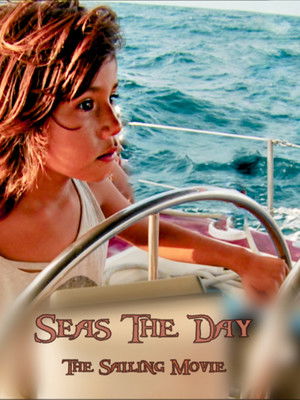
Seas the Day: The Sailing Movie is a genre-defying documentary that blends real-world adventure with deeply human storytelling. It transcends typical sailing documentaries by blending docu-fiction with a narrative inspired by Joseph Campbell’s classic The Hero's Journey. Directed by Ryan Luskin, an anthropologist and teacher, the film follows his family's quest across sixteen countries, learning life skills from diverse cultures.
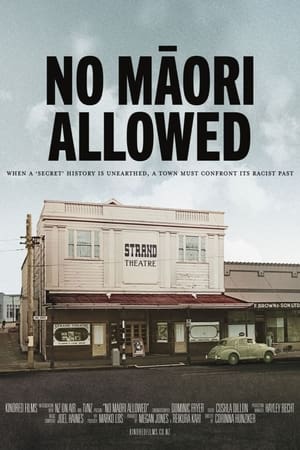
When an academic unearths a forgotten history, residents of the small township of Pukekohe, including kaumātua who have never told their personal stories before, confront its deep and dark racist past.
Brother and sister Enrique and Rosa flee persecution at home in Guatemala and journey north, through Mexico and on to the United States, with the dream of starting a new life.
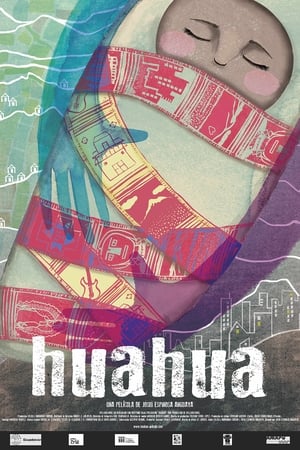
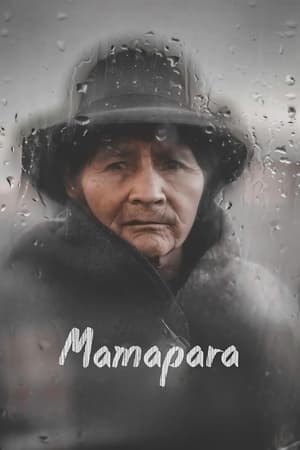
In a remote Peruvian city, lives Honorata Vilca, an illiterate woman of Quechua descent who sells candies more than 20 years ago, with the rain will cry to the sky itself.
Photo poetry of Bunchanawingʉmʉ Jesús Camilo Niño Izquierdo' piece of lost feelings in the Arhuaco Indigenous Reservation, northern Colombia.