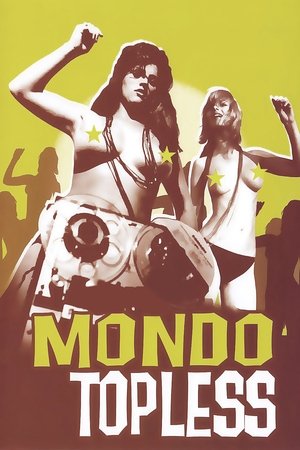
Completely topless. Completely uninhibited. The craze that began in San Francisco is now exploding across the USA and Europe.
IT CAME FROM AQUARIUS RECORDS tells the story about the San Francisco based independent record store, Aquarius Records. Having closed in 2016 after 47 years, this small apartment-sized store championed local, underground, independent, and challenging music to the masses - most memorably with their infamous bi-weekly, college essay-length, new-release lists. Six years in the making, interviewing collectors, musicians, and store owners, the film has a very personal angle, with lots of behind-the-scenes footage (and drama) that shows both the joy and excruciating stress that comes with running — and closing — a store like this, helped in no part by the changing city around them.
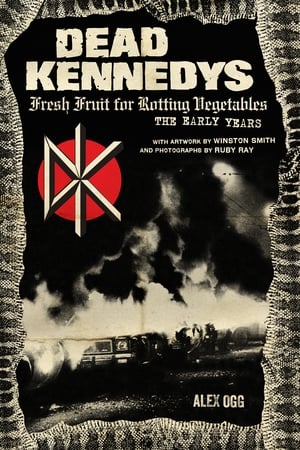
Fresh Fruit for Rotting Eyeballs features a brief history of the Dead Kennedys' early years up to their first UK tour, never before seen live performances, interviews with Klaus Fluoride and East Bay Ray, comments by music journalists, and insights from the key people involved with the recording of the DK's first album. Jello Biafra's 1979 run for mayor is also highlighted.
Monika Treut explores the worlds and thoughts of several female to male transgendered individuals. As with Treuts first film, Jungfrauenmaschine, Gendernauts, enters a minority sector of San Fransisco culture. The characters in this film have a lot to complain about, and they do. They are people whose physical appearance (female) does not match their inner sexual identity (male). The subject is pinpointed in the film independant of sexual orientation. Leave your conservative hats at the door, this is going to need your special attention.
The film follows a simple structure, and shows the drug-related degradation of five youths (Jake, Tracey, Jessica, Alice, Oreo) during the course of three years. The film depicts drug-related crimes and diseases: prostitution, male prostitution, AIDS, and lethal overdoses.
A reflective look at the arrival and impact of AIDS in San Francisco and how individuals rose to the occasion during the first years of the crisis.
The Rejected is a made-for-television documentary film about homosexuality, the first of its kind to be broadcast on American television. It was first shown on KQED on September 11, 1961, and was later syndicated to National Educational Television (NET) stations across the United States, receiving positive critical reviews.
Unable or unwilling to conform to the rigid atmosphere of Washington and Lee College as a freshman, Ed bailed out after a brief stint there to attend—and graduate from—Miami of Ohio. After graduate work at UK, he left for the Left Coast, and it suited him just fine. The first stop was a writing instructorship at Oregon State, then enrollment into the Stanford Writing Program, a move shared by Jim, Wendell, and Gurney. There he cultivated, among other things, relationships with Larry McMurtry, Robert Stone, and—most importantly—Ken Kesey. Ed didn’t just experience the 1960s; he wallowed in them. Also, a bonus interview from 1996 program, Signature Live.
A documentary chronicling the "youth movement" of the late '60s on Los Angeles' Sunset Strip and San Francisco's Haight-Ashbury district.
A documentary account by award-winning filmmaker John Ferry of the events that led up to the 1969 Native American occupation of Alcatraz Island as told by principal organizer, Adam Fortunate Eagle. The story unfolds through Fortunate Eagle's remembrances, archival newsreel footage and photographs.
This documentary on the "youth movement" of the late 1960s focuses on the hippie pot smoking/free love culture in the San Francisco Bay area.
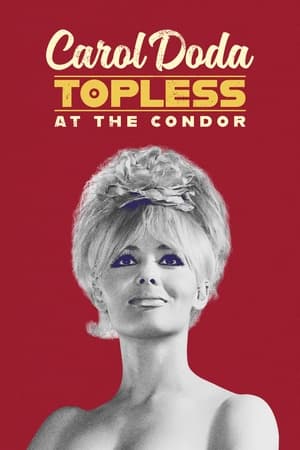
On a fateful San Francisco night in the early '60s, Condor nightclub performer Carol Doda was lowered to the stage on a floating piano, topless. Word spread quickly, setting off a wave of controversy and delight, with raids soon to follow. There was even a trial for the new celebrity. Doda's dry wit and charisma made her an instant sensation of the night club scene: an empowered woman in full control. Or so it seemed.
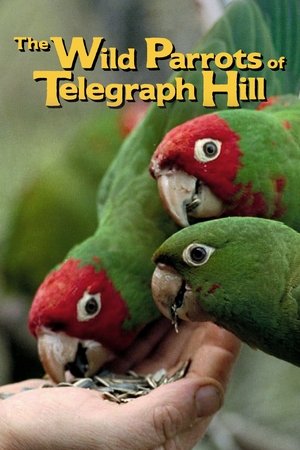
A homeless musician finds meaning in his life when he starts a friendship with dozens of parrots.
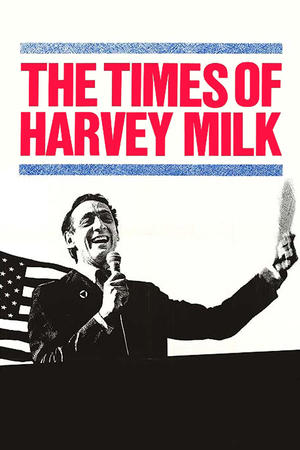
Harvey Milk was an outspoken human rights activist and one of the first openly gay U.S. politicians elected to public office; even after his assassination in 1978, he continues to inspire disenfranchised people around the world.
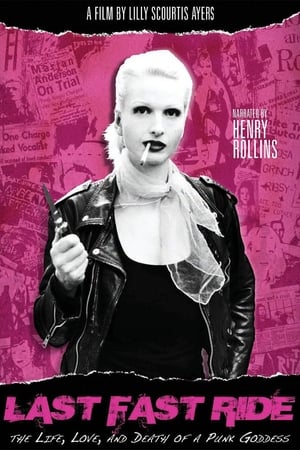
Henry Rollins narrates Lilly Scourtis Ayers' no-holds-barred profile of volatile Bay Area punk legend Marian Anderson, whose hypnotic beauty, devil-may-care rebellion and shocking sexual exploits onstage launched her to infamy before tragically dying of a heroin overdose at the tender age of 33.
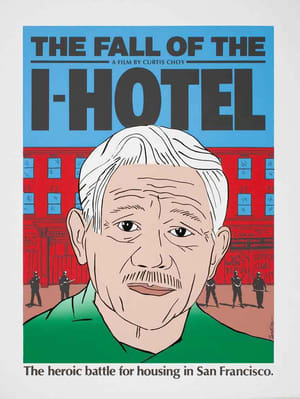
The Fall of the I-Hotel brings to life the battle for housing in San Francisco. The brutal eviction of the International Hotel's tenants culminated a decade of spirited resistance to the razing of Manilatown. The Fall of the I-Hotel works on several levels. It not only documents the struggle to save the I-Hotel, but also gives an overview of Filipino American history.
On August 8, 1988, the world’s first and largest Satanic rally took place. Ripped from a video featuring Satanist talking about creating a New World Order and killing off the masses. The 8-8-88 ritual was conducted right at the heart of the Satanic Panic. The goal, further exploit and feed upon the energies produced by the fears of the ignorant general public and media. It was shown to a sold-out crowd of degenerates promising them, “A Bitter Message of Hopeless Grief,” “A Nightmare of TERROR!” and “An Evening of Apocalyptic Delight!”
This movie chronicles the life and times of R. Crumb. Robert Crumb is the cartoonist/artist who drew Keep On Truckin', Fritz the Cat, and played a major pioneering role in the genesis of underground comix. Through interviews with his mother, two brothers, wife, ex-wife and ex-girlfriends, as well as selections from his vast quantity of graphic art, we are treated to a darkly comic ride through one man's subconscious mind.
Captures the spirit and essence of the great San Francisco Human Be-In of January 14, 1967. Ten thousand people imbued with peace, love and euphoria. Set to hard rock such as only San Francisco blues can produce. BE-IN contains Allen Ginsberg, Lawrence Ferlinghetti, Timothy Leary, Michael McClure, Lenore Kandel and Buddha. Music by Blue Cheer.
Two unhoused men turned community leaders— John and LaMonté —organize their neighbors in the face of displacement, addiction, and a failing social system.