Lebensdaten
Legendary drag performer Ocaña in performance with a cardboard Marilyn on the west side of the Berlin Wall.
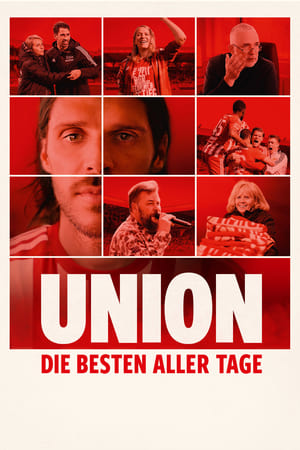
In 2019, Union Berlin was promoted to the Bundesliga. Four years later, the traditional East German club qualifies for the Champions League and achieves something that few would have thought possible. Despite all the euphoria over the triumph, the pressure to remain strong in sporting and economic terms also increased, as did the fear of falling into a conflict of identity between tradition and change. The fact that the soccer underdog from Köpenick still manages to retain its magic is primarily down to the people who work behind the scenes to keep things running smoothly and enthusiastically. Always at their side: a loyal fan base that is prepared to follow their club's path unconditionally. Hendel follows the team behind Union for almost two years, right up to their entry into the top flight, and takes a unique, particularly personal and authentic look behind the scenes of the club.
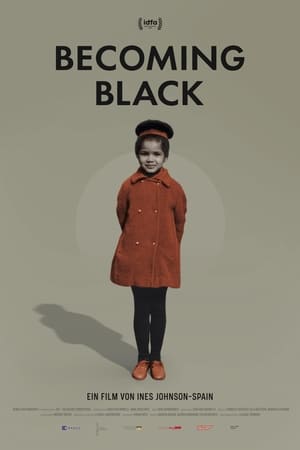
In the 1960s, a white couple living in East Germany tells their dark-skinned child that her skin color is merely a coincidence. As a teenager, she accidentally discovers the truth. Years before, a group of African men came to study in a village nearby. Sigrid, an East German woman, fell in love with Lucien from Togo and became pregnant. But she was already married to Armin. The child is Togolese-East German filmmaker Ines Johnson-Spain. In interviews with Armin and others from her childhood years, she tracks the astonishing strategies of denial her parents, striving for normality, developed following her birth. What sounds like fieldwork about social dislocation becomes an autobiographical essay film and a reflection on themes such as identity, social norms and family ties, viewed from a very personal perspective.
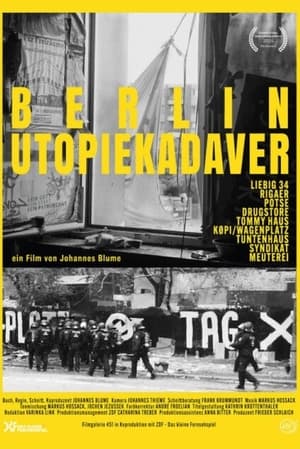
A taxi drives through the city of Berlin. Its driver is a punk, left and a well-known figure in the autonomous scene. The stations of his trip are the most important places of the autonomous scene: all in the struggle for survival. The last evictions have not yet been processed and the next ones are coming right up.
The intricate history of UFA, a film production company founded in 1917 that has survived the Weimar Republic, the Nazi regime, the Adenauer era and the many and tumultuous events of contemporary Germany, and has always been the epicenter of the German film industry.
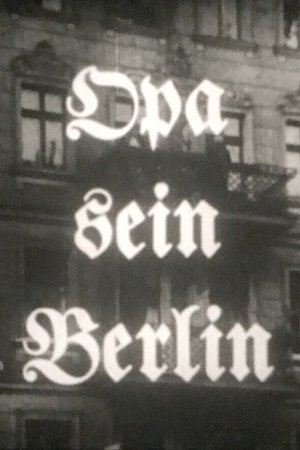
Documentary about the life in Berlin in 1941. The planned premier was stopped by the national party due to the damages and painful changes to the city that soon followed. It thus premiered in 1950.
A backstage and on-stage look at Nicki Minaj's career during the Pink Friday Tour, festivals, and more.
The film shines a light onto federal chancellor Angela Merkel and her now ending 16-year-long tenure. An era, not an episode. And a vagarious relationship history between the chancellor and the Germans. Who has changed whom here?
Geburtstagsfilm für Joseph Goebbels
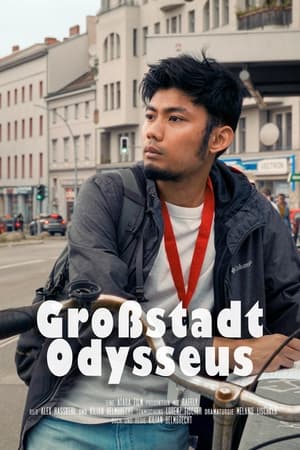
Successfully completed your studies - now what? Raffly already has a lucrative job offer from a large German company, but neither an apartment nor a work permit.
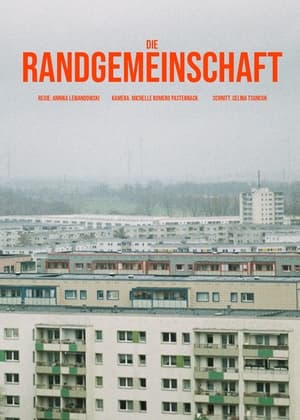
Die Randgemeinschaft
Rare documentary footage from around 1900 depicts the mood of life in Berlin at the turn of the century.
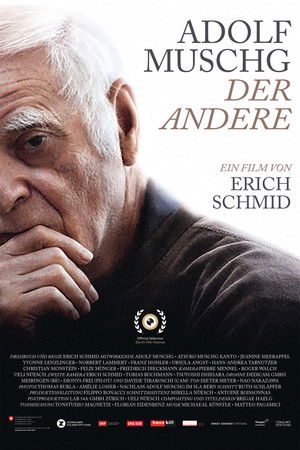
In his exploration of the cultural dynamic between East and West, Adolf Muschg, the most significant Swiss writer since Frisch and Dürrenmatt, searched for the other in himself in order to understand otherness.
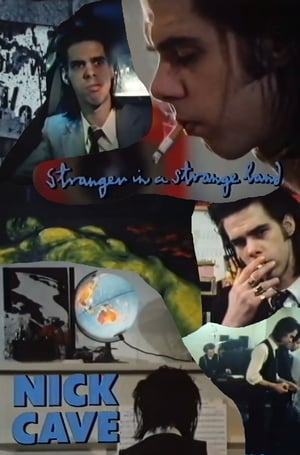
Documentary made for Dutch television about Nick Cave in Berlin in 1987.
Documentary on new construction and reconstruction in Berlin's Friedrichstrasse in 1985.
"I'm walking through my city...", sings a cheerful pop singer. She fervently praises the new metropolis of East Berlin. As an emphatically lively, often anthemically condensed revue, the film tells of the "growth and development of our new capital". Accompanied by cheerful music, the camera indulges in high-altitude views, shows squares whose fountains, benches and green spaces are designed to make you forget that you are in a big city, as well as visitors from all over the world in top hotels. An emphatically cheerful, yet meaningful insight into the brave new GDR world.
A documentary about the clashes between squatters and the police in Berlin in early 1981. Despite the absence of commentary, this is an openly partisan film that aims less for political analysis than for an up-close description of the situation and mood.
This documentary shows how the Berliner workers lived in 1930. The director Slatan Dudow shows through images: a) the workers leaving the factory; b) the raise of the rents; c) the "unpleasant" guest, meaning the justice officer that brings the eviction notice; d) the fight of classes of the houses of capitalists and working classes; e) the parks of the working class; f) the houses of the working class, origin of the tuberculosis and the victims; g) the playground of the working class; h) the swimming pool for the working class, ironically called the "Baltic Sea" of the working class; i) the effects of humidity of basement where a family lives, with one member deaf; j) one working class family having dinner while the capitalist baths his dog; k) the eviction notice received from an unemployed family and their eviction.
Mona is a 22 year old trans girl from a small village in France. She puts needles attached to peacock feathers in her skin, under bright lights, late at night. She bleeds, half naked, in front of small crowds of people. Sometimes they faint whilst watching her. Why would she do this? How did she learn to do it? And why would someone want to watch?