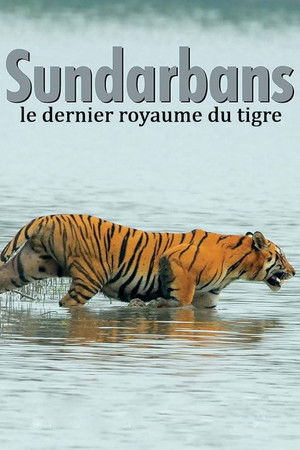
Sundarbans, le dernier royaume du tigre
Natura Bohemica
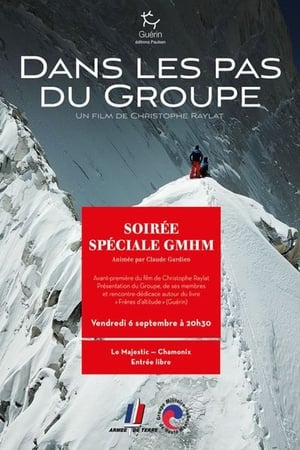
Dans les pas du Groupe
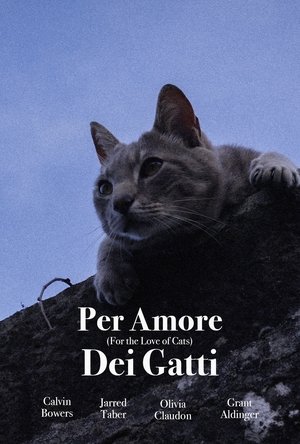
In the small mountain town of Barga, Italy, a group of four filmmakers speak with local cat lovers and immerse themselves in the unique world of street-trotting felines and Gattaras.
A sort of non-narrative itinerary between Lyon, Vienne and Valence-Ville that goes exploring the relationships between the interactions and the light it exposes, a reflection of identity and beauty that the shadows goes preserving the perceptions of new space.
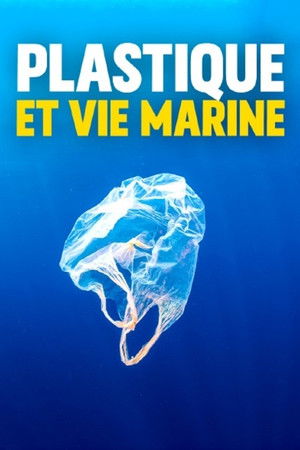
Leben auf Plastik - Per Anhalter durchs Meer
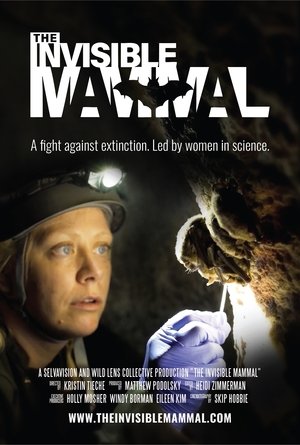
Against the backdrop of the sixth mass extinction, an all-woman team of biologists set out to save bats from a deadly fungal disease, but when the COVID-19 pandemic interrupts their work, they are sent down a path of discovery that illuminates the connections between bat conservation and the spread of infectious disease.
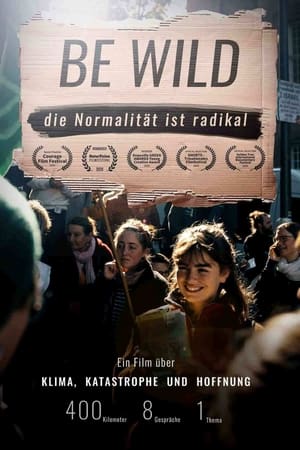
A young film crew searches for ways out of the climate crisis. In different cities they meet people who commit their lives to preserving our environment in different ways. In inspiring conversations they talk about their thoughts, motivation and hope and why we have to break out of our comfort zone. 8 protagonists try to reach out for solutions for climate justice in our future and open up perspectives of hope.
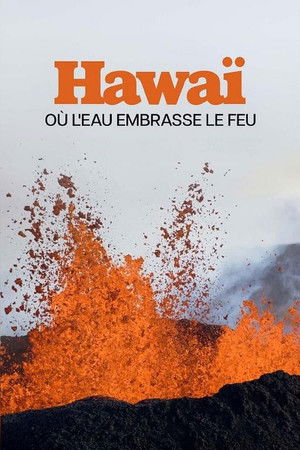
Naturwunder Hawaii, zwischen Feuer und Wasser
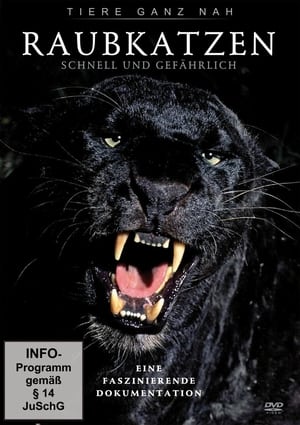
The vast savannah of the Serengeti. A large part of the genus Panthera lives here. Better known as the "actual big cat". They are among the largest cat species on earth. Among them is the lion, the true predator beneath the vast African sky. 'The King of Africa', male specimens of which weigh up to 270 kg, captured in breathtaking images that show the fascinating world of the big cats. Funny, tragic and spectacular recordings also document the fastest animal in the world, the cheetah, follow leopards on your trail and experience the first days of a black panther.
The life cycle of the tundra wolf is a complex and balanced relationship with other animals that inhabit the tundra region. Preying on the caribou, the wolf kills just enough for the pack to survive.
The Hoolock Gibbons of Bangladesh have been brought to the brink of extinction by the relentless destruction of their forested habitats throughout the country, even in the most highly protected forest reserves. This species used to number in the tens of thousands, but are now down to the last 200 or so.
A Good Wolf is a feature-length documentary film examining a 40-year conflict over a single tract of land adjacent to Denali National Park—a volatile struggle between state and federal authorities, fur trappers and wildlife advocates, and competing human interests on public lands. Armed with thorough data, biologists and activists bring a new proposal to state authorities, hoping to regain protections for wolves near the park boundary. But local trappers are adamantly opposed. Hanging in the balance are some of America’s most iconic landscapes and wildlife -- including the remarkable Wolf 1202.
In the remote Manambolomaty lakes region, a globally unique ecosystem is home to both the Sakalava indigenous people and the endangered Madagascar Fish eagle. Through close collaboration with the local community, the region has become a stunning success for conservation - even as the rest of Madagascar's nature suffers heavy losses.
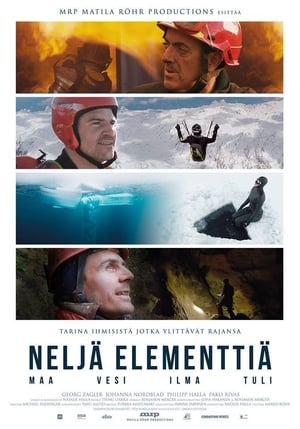
A journey into four classical elements through the four main characters of the film. The main characters in the movie represent each of their own elements.
The image of “snow monkeys” submerged in a hot spring as snow falls around them is iconic. These are Japanese macaques, the northernmost population of monkeys in the world. Highly adaptable, they are the only primates to inhabit environments that range from low coastal plains to mountainous areas 3,000 meters above sea level, with temperatures that can drop to -30 degrees Celsius. How is this single species of macaque able to thrive in such widely diverse habitats? Shot in beautiful 4K UHD, the cameras travel through Japan to capture unique monkey groups displaying different localized food habits, including a world-first footage of monkeys catching live fish as well as how such new behaviors spread among individuals in the pack.
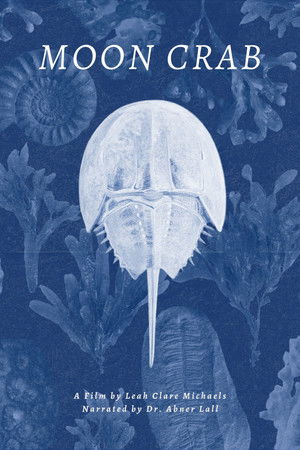
Moon Crab is a meditation on the horseshoe crab, one of Earth's oldest living species now struggling with extreme population decline. Blending reflections on nature's cycles with experimental visuals, the film employs an array of techniques, including eco-processed film developed with seaweed, to immerse the viewer in the crab's subaquatic world. Narrated with intimate depth by physiologist Dr. Abner Lall, the filmmaker’s neighbor, this documentary captures a timeless story of resilience and fragility, urging us to reconsider our connection to the natural world.
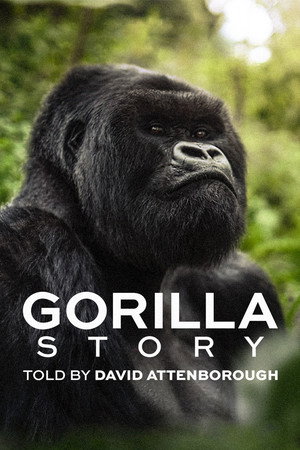
Veteran naturalist Sir David Attenborough tells the story of a remarkable group of gorillas, from his first encounter in the '70s to the present day.
Mary Field edits the time-lapse photography of F. Percy Smith to show the life cycle of ferns and related plants.
Mary Field and F Percy Smith create this whimsical look at the breeding habits and life cycle of frogs.