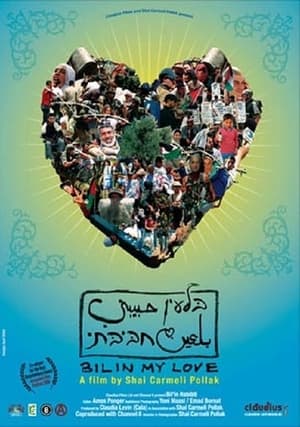
The Israeli filmmaker Shai Corneli Polak records the building of the 'security wall' through Palestinian territory at the village of Bil'in. The villagers protest mostly peacefully, while the Israeli army doesn't react peacefully. By now the Israeli High Court has ruled that the building of the wall was illegal.
For more than forty years, British journalist Robert Fisk has reported on some of the most violent conflicts in the world, from Northern Ireland to the Middle East, always with his feet on the ground and a notebook in hand, travelling into landscapes devastated by war, ferreting out the facts and sending reports to the media he works for with the ambition of catching the interest of an audience of millions.
Over the past few years, Israel's ongoing military occupation of Palestinian territory and repeated invasions of the Gaza strip have triggered a fierce backlash against Israeli policies virtually everywhere in the world—except the United States. This documentary takes an eye-opening look at this critical exception, zeroing in on pro-Israel public relations efforts within the U.S.
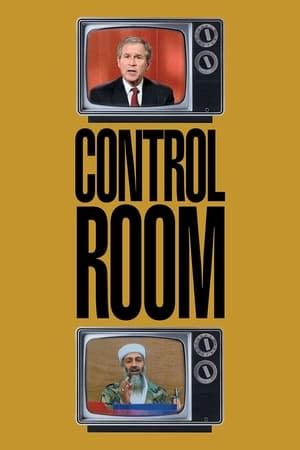
A chronicle which provides a rare window into the international perception of the Iraq War, courtesy of Al Jazeera, the Arab world's most popular news outlet. Roundly criticized by Cabinet members and Pentagon officials for reporting with a pro-Iraqi bias, and strongly condemned for frequently airing civilian causalities as well as footage of American POWs, the station has revealed (and continues to show the world) everything about the Iraq War that the Bush administration did not want it to see.
Amid the ruins of northern Gaza, Ibrahim clings to the only companion he has left: Farfour, a stray cat he adopted during the war. Farfour has become more than just a pet for Ibrahim. He has turned into his shadow, his confidant, his last connection to humanity. Together, Ibrahim and Farfour navigate a collapsing world, enduring a relentless siege while living in an unsafe building, with no water and electricity. As the war tightens its grip, Ibrahim must flee.
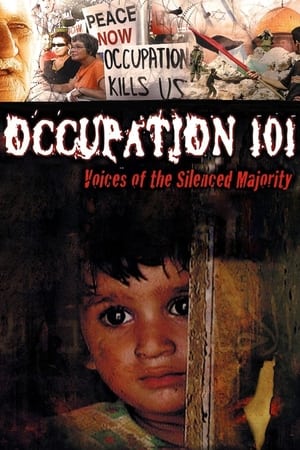
An exhaustive explanation of how the military occupation of an invaded territory occurs and its consequences, using as a paradigmatic example the recent history of Israel and the Palestinian territories, the West Bank and the Gaza Strip, from 1967, when the Six-Day War took place, to the present day; an account by filmmaker Avi Mograbi enriched by the testimonies of Israeli army veterans.
Gaza Fights for Freedom depicts the ongoing Great March of Return protests in the Gaza Strip, occupied Palestine, that began in 2018.
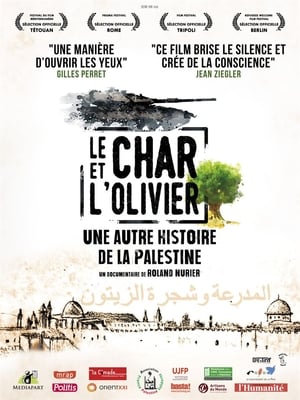
The film returns to the origins of the creation of the State of Israel (from 1896 to 1948) and highlights the responsibility of the Western World.
A group of Israelis and Palestinians come together in Oslo for unsanctioned peace talks during the 1990s in order to bring peace to the Middle East.
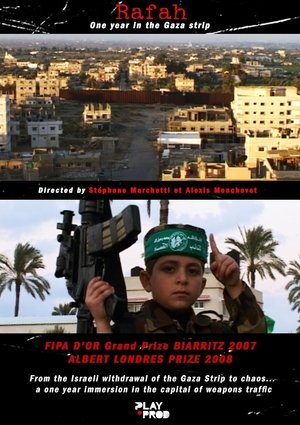
An attempt to describe the everyday of a place that struggles for the most basic human rights: the Gaza Strip as a microcosm for the failure of civilization.
Gaza Souvenirs
Following the October 7th massacre and allegations that UNRWA staff were involved in the kidnappings, the agency made headlines around the world. Israel enacted legislation to suspend cooperation with UNRWA, despite the ongoing humanitarian crisis in Gaza. The film presents a historical examination of UNRWA’s role—a temporary agency, initially mandated to resolve the refugee crisis following the 1948 war, which has never ceased its operations and, after 75 years, continues to perpetuate generations of refugees
Documentarians Justine Shapiro and B.Z. Goldberg traveled to Israel to interview Palestinian and Israeli kids ages 11 to 13, assembling their views on living in a society afflicted with violence, separatism and religious and political extremism. This 2002 Oscar nominee for Best Feature Documentary culminates in an astonishing day in which two Israeli children meet Palestinian youngsters at a refugee camp.
At the heart of European diplomacy
Follows a Palestinian leader who unites Fatah, Hamas and Israelis in an unarmed movement to save his village from destruction. Success eludes them until his 15-year-old daughter jumps into the fray.
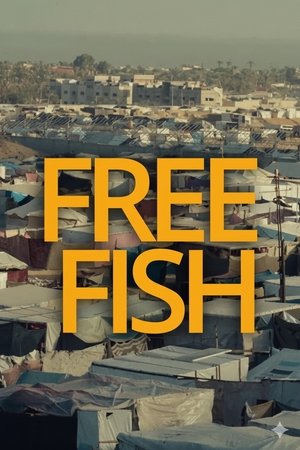
Free Fish is a short documentary filmed over the course of a year in Gaza, following two brothers — Abu Nagham and Ahmad — separated by war yet connected by the sea. Displaced from their home, Abu Nagham now lives in a tent in the south, fishing with his young nephew Rami, who lost his twin brother. Ahmad remains in the north, fishing amid ruins and occupation. Once a source of livelihood and freedom, the sea has become a battleground — heavily restricted, constantly watched, and always dangerous. Through intimate footage and poetic observation, the film captures the everyday courage required to cast a net, mend a line, or share a meal. Fishing becomes an act of survival, resistance, and hope. Co-directed by Bisan Owda (Peabody Award 2024) and Carolina Pereira, Free Fish offers a deeply personal and universal story of resilience in the face of erasure — a quiet tribute to a people who refuse to be forgotten.
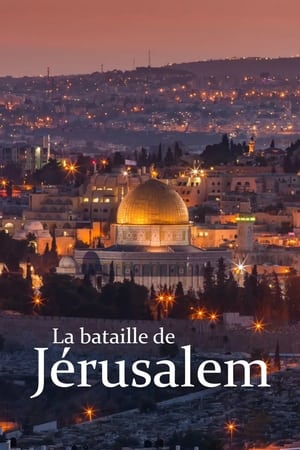
This documentary, filmed after October 7, places recent events in context and retraces the extraordinary history of this region to shed light on the present, interviewing actors and witnesses to this conflict: Islamists, Jewish nationalists, imams, rabbis, intellectuals, urban planners, soldiers, etc.
An examination of Israel and its society after many months of war, seen initially through the prism of viral social media posts - and exclusive interviews with the soldiers behind them. These posts, some shared millions of times, show soldiers humiliating bound Palestinians, ransacking their homes, joking as they detonate schools and whole districts, and laughing as they launch high explosive ordnance into densely-packed areas. The award-winning team behind this Basement Films production traveled to Israel to interview some of these soldiers, who proudly defended themselves and their videos, some expressing callous disregard for Palestinians in Gaza. Through additional interviews with Israeli radical groups, politicians, and media figures, the film reveals Israeli Jewish society in the aftermath of October 7th, gripped by a vengeance and hate that puts into question any possibility for peace.
An Israeli film director interviews fellow veterans of the 1982 invasion of Lebanon to reconstruct his own memories of his term of service in that conflict.
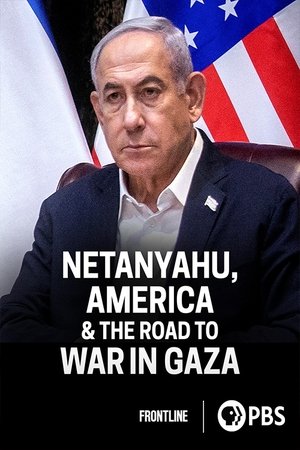
The inside story of the bitter clash between President Obama and Israeli Prime Minister Netanyahu. Amid violence in the Middle East, the film traces Netanyahu's rise to power and his high-stakes fight with the president over Iran's nuclear program.