Legends circulate in the public consciousness about Kex, which existed from late 1968 to the autumn of 1971. For baby boomers, it represented freedom and spontaneity. The band rejected the world of Communist cultural policy with its uniqueness and refusal to conform, something in which the best of the artistic intelligentsia and political dissidents saw value. They attended their concerts, and the film recalls their experiences. At times, one feels as if they are watching a spy film parody, as one gains insight into the secret files containing reports from agents embedded within the audience.
An animated history of American health care provider, Planned Parenthood.
Citizen Film worked closely with The California Nurses Foundation (CNF) to identify nurses who are strong storytellers, and engage them in creating first-person documentaries. These intensely personal narratives emblemize strategies for providing healthcare in an increasingly diverse State. Citizen Film collaborated with CNF to curate those stories into a digital curriculum that provides cultural-competency training to CNF’s very large constituency of healthcare providers around the state.
When Harvard PhD student Jennifer Brea is struck down at 28 by a fever that leaves her bedridden, doctors tell her it’s "all in her head." Determined to live, she sets out on a virtual journey to document her story—and four other families' stories—fighting a disease medicine forgot.
About the extraordinary doctors and activists—including Paul Farmer, Jim Yong Kim, and Ophelia Dahl—whose work 30 years ago to save lives in a rural Haitian village grew into a global battle in the halls of power for the right to health for all.
Through interviews with key AIDS Healthcare Foundation (AHF) stakeholders from over the years coupled with archival video footage culled from AHF's 30 years of advocacy, care and activism, 'Keeping the Promise' tells a compelling story of AHF's history while offering a glimpse of, and road map to its future.
János Baksa-Soós, aka Prince January. A man who influenced those who influenced us. “Sometimes you have to make time for a whole life!” he said. He did, and we explored his incredible life. Starting from Zoltán Kodály, we fly over downtown KEX concerts, dive into the deepest recesses of Berlin punk and end up who knows where. Somewhere in the cosmos.
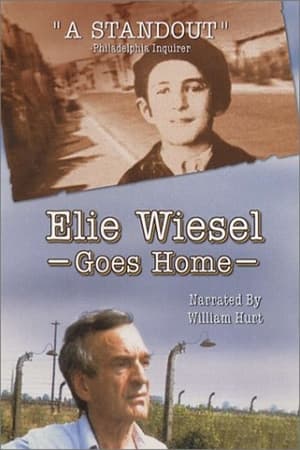
A documentary chronicling the adolescent years of Elie Wiesel and the history of his sufferings. Eliezer was fifteen when Fascism brutally altered his life forever. Fifty years later, he returns to Sighetu Marmatiei, the town where he was born, to walk the painful road of remembrance - but is it possible to speak of the unspeakable? Or does Auschwitz lie beyond the capacity of any human language - the place where words and stories run out?
A naturalistic story about the realities of healthcare and houselessness from the perspective of Ramon Duarte, a houseless welder who receives care from Miami Street Medicine, a street medicine team. In Miami, where rising housing costs are forcing folks onto the streets, the doctor's work is more important than ever.
The world knows the image of the good Canadian. But what if there was a dark secret behind a national identity? THE GOOD CANADIAN exposes the truth behind the idea of a True North strong and free. In this unflinching and eye-opening documentary, directors Leena Minifie and David Paperny move us through the corridors of systemic inequity, from the Indian Act to residential schools, to modern-day family separation. Fusing shocking footage with detailed interviews with experts, advocates, whistleblowers and politicians, THE GOOD CANADIAN challenges national myth-making, while offering Canadians the chance to forge a new identity from the truth.
The Dynasty by the Direkt36 investigative center tells the story of the business dealings of the Prime Minister’s family over several decades. With hidden camera footage, it also shows the luxurious world built by Viktor Orbán’s son-in-law István Tiborcz and his daughter Ráhel Orbán.
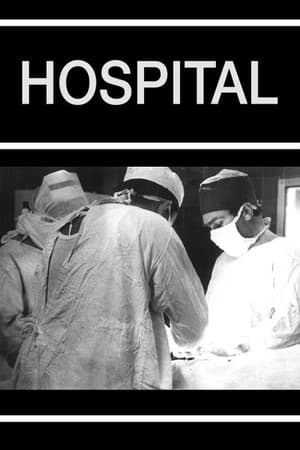
24 hours in the life of a hospital from the point of view of the doctors and nurses.
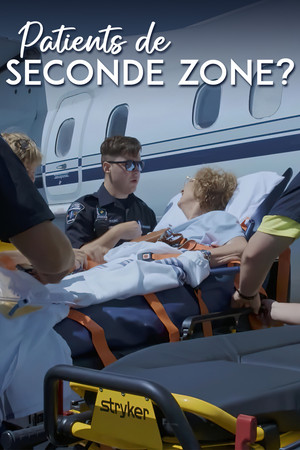
Each year in the United States, unparalleled innovations in medical diagnostics, treatment, and technology hit the market. But when the same devices designed to save patients end up harming them, who is accountable?
A portrait of the life and work of the great Hungarian composer Béla Bartók, exploring both his music and his passionate interest in his country's folklore.
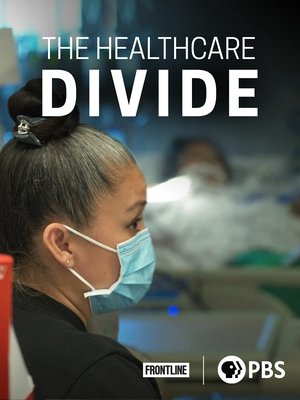
FRONTLINE and NPR investigate the growing inequities in American healthcare exposed by COVID-19. The Healthcare Divide examines how pressure to increase profits and uneven government support are widening the divide between rich and poor hospitals, endangering care for low-income populations.
The documentary that answers the question: is having month-long double paid vacations, no fear of homelessness, and universal health care the nightmare we've been warned about? The answer may surprise you.
A documentary in which 5 men describe their experiences with gender dysphoria as they wrestled with feelings of inadequacy as men, and their ultimate pursuit to find peace in their natural bodies.
What if democracy fails citizens by not serving them all equally? What if inequality becomes the norm and the most vulnerable citizens are left behind with no money, no home, no rights, and no country of their own? In Hungary, the government has slashed social benefits and criminalized homelessness, but a group of activists, homeless and middle class, is confronting authorities to defend social justice and their right to be citizens. After the tragic death of two of its founding members, the group feels that Hungary is growing more hostile and their struggle is more important than ever. Despite all odds, their own community keeps them going—a mini-society with democracy and solidarity at its heart, an island of hope, belonging and dignity in a society gradually shifting the other way.
Anthology film made as an act of protest against Hungarian government of Viktor Orban.
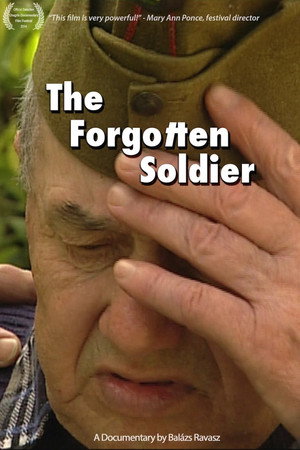
Captured by the Red Army during World War II, Hungarian soldier András Toma was admitted to a Soviet psychiatric hospital. After disappearing from prisoner-of-war records, he was presumed dead in Hungary. Because his name was incorrectly recorded in medical documents and he spoke only Hungarian—mistaken by staff for incoherent speech—Toma spent decades misunderstood and isolated in the institution. Fifty-three years later, a visiting Slovak doctor recognised his language, triggering an investigation by Hungarian authorities. Toma was repatriated in 2000, believed to be the last prisoner of war from World War II to return home.