A Dutch documentary about the history of the anarchist punk band Crass. The film features archival footage of the band, and interviews with former members Steve Ignorant, Penny Rimbaud and Gee Vaucher.
Rågsved, a suburb of Stockholm, Sweden. People, atmosphere, politics, football and punkrock. Revolving around the youth center "Oasen".
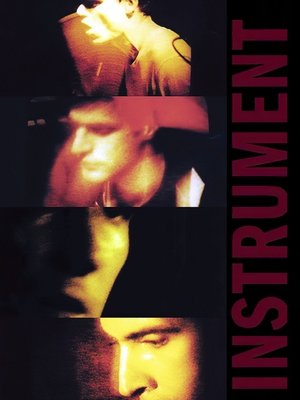
A documentary that explores the challenges that a life in music can bring.
Dare to Dream was directed by Marianne Jenkins, a film student from Goldsmiths' College, University of London, in 1990. It looks at the history of anarchism in the UK and beyond, as well as the state of the movement in the tumultuous year the poll tax uprising finally led to the resignation of Thatcher. Among the anarchist heavyweights interviewed are Albert Meltzer, Vernon Richards, Vi Subversa, Philip Sansom, Clifford Harper and Nicholas Walter, as well as a host of lesser known but equally committed dissidents. The film also features the miners strike and class struggle, squatting and social centres such as Bradford's 1in12 club, animal rights and feminism.
Henry Rollins narrates Lilly Scourtis Ayers' no-holds-barred profile of volatile Bay Area punk legend Marian Anderson, whose hypnotic beauty, devil-may-care rebellion and shocking sexual exploits onstage launched her to infamy before tragically dying of a heroin overdose at the tender age of 33.
After a close friends suicide; Will, a Punk and Post-Punk musician living in the US is struggling with doubts about his relationship, his identity and ultimately what he wants to do in life. Will becomes isolated, reliant on substances and is sent down a path of pain, suffering and existential terror.
Southern indie rockers Lucero hit the road in this documentary, which shows the Memphis, Tennessee band on tour and in the studio. In addition to candid interviews with band members Ben Nichols, Roy Berry, John Stubblefield and Brian Venable, the video features footage of the band on tour with The North Mississippi All-Stars, in the studio for the recording of "Tennessee" and performing live at the Memphis in May Music Festival.
God Save the Queen: A Punk Rock Anthology
"Finding Joseph I" is a feature documentary chronicling the eccentric life and struggles of punk rock reggae singer, Paul "HR" Hudson, a.k.a. Joseph I, the legendary lead singer from Bad Brains.
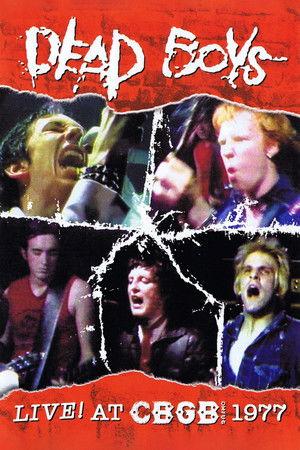
This is Poe and Král's first effort, shot on small-gauge stock, before their more well-known endeavor The Blank Generation (1976) came to be. A "DIY" portrait of the New York music scene, the film is a patchwork of footage of numerous rock acts performing live, at venues like Madison Square Garden, Radio City Music Hall, the dive bars of Greenwich Village and, of course, CBGB.
Thirteen examples of The Pogues unique brand of hellraising folk, ranging from punky takes on traditional Irish songs like 'Dirty Old Town' to the Shane MacGowan penned originals which offered romanticised visions of life viewed through the bottom of a bottle.
Two former geeks become 1980s punks, then party and go to concerts while deciding what to do with their lives.
In the early 1970s, rubber was still king in Akron, Ohio. But just a few short years later, Akron's most important product was, ever so briefly, music. In the mid-1970s, a group of local bands took over an old rubber workers' hang-out in downtown Akron called The Crypt and created a mix of punk and art rock that came to be known as "the Akron Sound." And for a while, it was almost "the next big thing." Almost. It's Everything, and Then It's Gone, a Western Reserve PBS production written and directed by Phil Hoffman., takes viewers back to a time when the music really did mean everything. And for the men and women in these local bands, it was a way out of the factory.
The place is Melbourne, Australia 1978. The punk phenomenon is sweeping the country and Dogs In Space, a punk group, are part of it. In a squat, in a dodgy suburb, live a ragtag collection of outcasts and don't-wanna-bes who survive on a diet of old TV space films, drugs and good music. And the satellite SKYLAB could crash through their roof at any moment...
Ricky Espinosa: El Documental
In 2015, Roman Catholic priest Rob Galea joined the Australian version of The X Factor but, due to his holy duties, had to withdraw. But this didn't stop him from becoming a widely beloved contemporary Christian singer-songwriter.
This deeply affecting documentary follows a small number of Israelis and Gazans through the most dramatic and tragic year of their lives. Using personal and previously unseen footage, it tells the story of the war in Gaza and the October 7 attacks through deeply emotional stories from both sides of the conflict. In Gaza, the film follows three individuals from reaction to the October 7th attacks to the start of the bombing by the Israeli military and to the loss of family members that all three suffer. In Israel, we witness footage of the Israeli characters, as they and their family members are attacked by Hamas on October 7th and then follow their stories through the year.
An overview of the early years--late 1970s, early 1980s--of San Francisco punk band Dead Kennedys, with clips from some of their live concerts and footage of landmark San Francisco locations of the punk music scene. Jello Biafra and The Dead Kennedys show why they're the kings of satire in 9 live early performances.
A 1-hour Documentary looking at the Manchester post-punk group and its infamous leader Mark E Smith. The Film follows the current band recording their final Session for the John Peel Show (they were his favourite group and recorded more sessions than any other band) as well as chronicling the chaotic history of the band & its numerous line-up changes.
The band Fugazi is documented over a period of more than ten years (1987-1998) through performance footage and interviews with the band and their fans. Director Jem Cohen's relationship with band member Ian MacKaye extends back to the 1970s when the two met in high school in Washington, D.C.. The film takes its title from the Fugazi song of the same name, from their 1993 album, In on the Kill Taker. Editing of the film was done by both Cohen and the members of the band over the course of five years. It was shot from 1987 through 1998 on super 8, 16mm and video and is composed mainly of footage of concerts, interviews with the band members, practices, tours and time spent in the studio recording their 1995 album, Red Medicine. The film also includes portraits of fans as well as interviews with them at various Fugazi shows around the United States throughout the years.