A big day in the Scottish Borders is captured with astonishing clarity in this remarkable film commissioned by the local cinema.
For the 'Are'are people of the Solomon Islands, the most valued music is that of the four types of panpipe ensembles. With the exception of slit drums, all musical instruments are made of bamboo; therefore the general word for instruments and the music performed with them is "bamboo" ('au). This film shows the making of panpipes, from the cutting the bamboo in the forest to the making of the final bindings. The most important part of the work consists in shaping each tube to its necessary length. Most 'Are'are panpipe makers measure the length of old instruments before they shape new tubes. Master musician 'Irisipau, surprisingly, takes the measure using his body, and adjusts the final tuning by ear. For the first time we can see here how the instruments and their artificial equiheptatonic scale-seven equidistant degrees in an octave-are practically tuned.
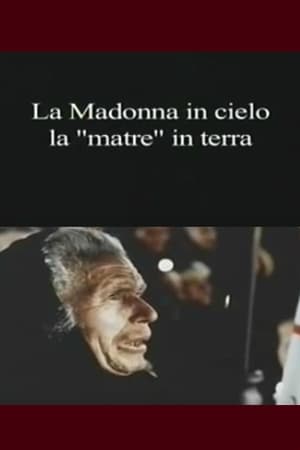
An anthropological research on the survival of the supernatural in traditional culture. Shot in different locations in southern Italy, the documentary focuses on the link between the cult of the Madonna and ancient rites related to female fertility.
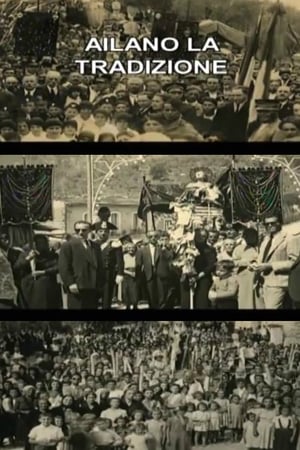
The religious traditions of a town in the province of Caserta, Italy.
Children parade through the streets of Hinton St George in Somerset on the last Thursday of October. Children have hollowed out pumpkins or mangelwurzels, a type of animal fodder turnip to make lanterns following a tradition in this part of West Somerset that coincides with Halloween. Punky or Punkie Night is thought to date from the turn of the 20th century or perhaps medieval times chanting rhymes and following a Punkie King and Queen.
Previanti
Documentary about the ethnographic festivities in Strážnice in the summer of 1949.
Valašské tance
Hody v Hrubé Vrbce
Horňácká svatba
Tance slovanských národů
Documentary about the concerts of the Russian Osipov ensemble of folk instruments in Czechoslovakia
Document about folk ceramic products from Moravian Slovácko and Wallachia.
Fašánek
O Tardo
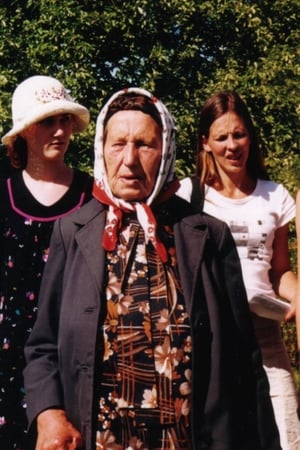
Anna "Buksa" Scemelinska (1925 - 2011) was a Latvian folksinger. She learned her song repertoire and singing style from her parents and villagers. She sang in the Rekova Church Choir in 1956, and has also been a member of the Rekava Ethnographic Ensemble from 1980. Her mother sang religious hymns ,"godzinkas", while Anna sang traditional dainas. The singing was like the rest of her life: in harmony with nature. Marked by hard work and deep religiosity, her songs are a kind of Eastern European blues or gospel. Singers like Anna Scemelinska are storytellers. Their folk songs comprise legends, history and experience from life.
Ľudoví umelci
La notte dei Cucibocca
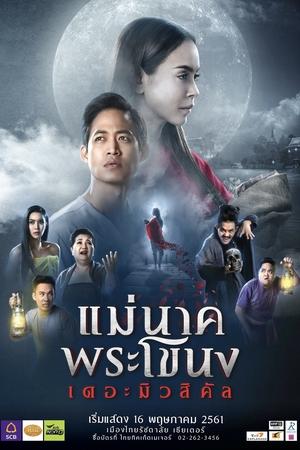
Scenario proudly presents the musical “Mae Nak Phra Khanong The Musical,” starring Nat-Myria as “Mae Nak,” who first meets Tu-Phopthorn, a quality artist who played the role of “Por Mak” in 2018.
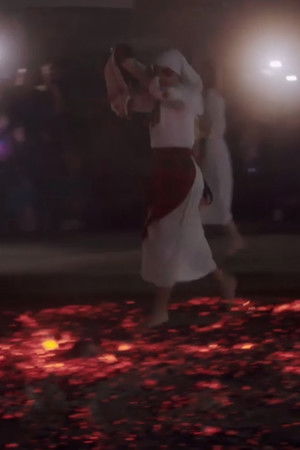
Every year in June, the small Bulgarian village of Balgari celebrates St Constantine with a special ritual. Initiated ‘nestinari’ go into a music-induced trance and dance on bonfires in a display of religious passion.