The world’s biggest fish market is to make room for a highway during the Olympic Games 2020 in Tokyo. After more than 80 years in daily business, the relocation of over 14,000 dealers is a turning point. Especially for old-established dealers this step is not easy. Within four days, all dealers, souvenir and shoe shops, restaurants and service providers such as knife sharpeners are to be relocated to the new location on an artificial island. The closure of Tsukiji is a step towards modern digital real-time trading and we are the only foreign reporter with exclusive access to accompany this adventurous relocation.
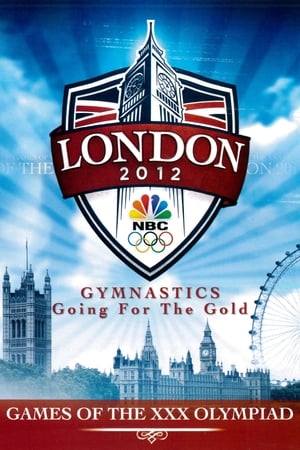
At the 1996 Atlanta Games, the Magnificent Seven became the first American women to ever win gymnastics team gold. Sixteen years later, in London, the Fierce Five joined them in the history books. Relive all the excitement as Gabby Douglas, Aly Raisman, Jordyn Wieber, McKayla Maroney and Kyla Ross take the lead from the first rotation and never look back on their way to gold. Follow Gabby Douglas on her way to the podium to make it three straight American gold medals in the individual all-around competition. Every individual event final is featured on this DVD, including Aly Raisman's historic gold-medal performance in the floor exercise, her bronze on the balance beam, as well as McKayla Maroney's silver medal in the vault.
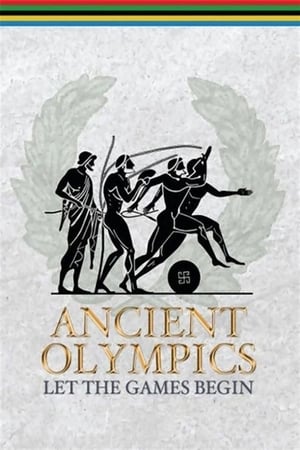
Come back with us to Ancient Greece, 2,500 Years ago to the original Olympic Games. The ancient Games, like our modern Olympics, included champions and cheaters, glory and scandals, bitter rivalries and contests of strength, speed and savage combat. Set in 448 BC when the pounding of horse's hooves and the brutal hand-to-hand combat could be heard and seen by the crowds that filled the Olympic stadium. This one-hour special event follows the glory and corruption of the arc of a single, five-day Olympiad. The competitions include chariot racing, running, jumping, discus, javelin and two man-to-man combat finals-boxing and pankration, a form of extreme fighting in which death was not uncommon. With the help of sports historians and great athletes such as George Chuvalo and Olympic medallists Donovan Bailey and Angela Schneider, viewers travel back to a very different life-in a very different world.
Documentary examines the history and evolution of the Olympic Games, taking a close look at the Olympic charter, oath and ideals. Also featured are rare home movies and interviews with Olympic athletes and the oldest known color footage of the Olympic Games from Berlin in 1936.
A profile of the 1928 Olympic Games in St. Moritz, Switzerland.
A artistic and unconventional approach to winter sports, using striking visuals, sound design, and a focus on both the spectacle and the human element—including behind-the-scenes figures like ice maintenance workers—to create an intimate and aesthetically unique portrayal of the Olympics.
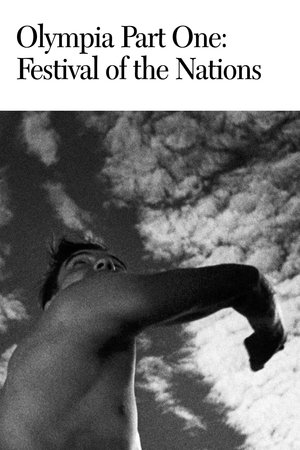
Starting with a long and lyrical overture, evoking the origins of the Olympic Games in ancient Greece, Riefenstahl covers twenty-one athletic events in the first half of this two-part love letter to the human body and spirit, culminating with the marathon, where Jesse Owens became the first track and field athlete to win four gold medals in a single Olympics.
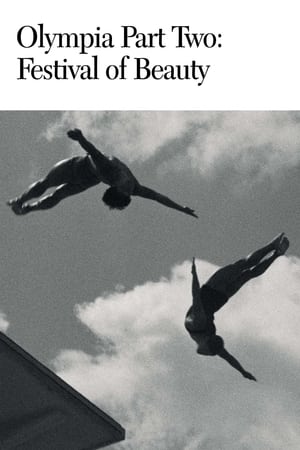
Part two of Leni Riefenstahl's monumental examination of the 1938 Olympic Games, the cameras leave the main stadium and venture into the many halls and fields deployed for such sports as fencing, polo, cycling, and the modern pentathlon, which was won by American Glenn Morris.
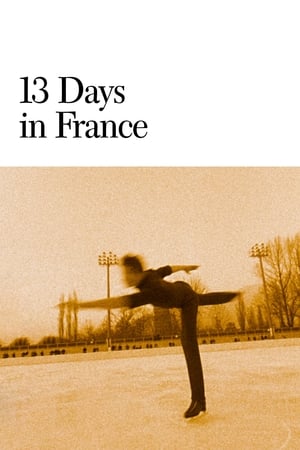
This colorful documentary chronicles the events of the 1968 Winter Olympics in France. The events made international celebrities of skater Peggy Fleming and skier Jean-Claude Killy for their gold-medal performances. The camera accurately catches the speed of bobsleds and downhill racers and ski jumpers as they race for the gold. President Charles DeGaulle is shown observing the action over 13 days, which saw France earn the best performance to date in the winter games.
At the Winter Olympics of 1980, after two tense weeks amidst growing Cold War fears, the U.S. Olympic hockey team found themselves playing improbably against the legendary unbeatable Soviet Army hockey team for Olympic Gold. From the live footage taken at Lake Placid, NY, and through interviews beginning with the team's assembly through the experience of winning the gold medal.
On August 5, 1928, after 2 hours and 32 minutes of racing, the 71st rooster wearing the bib entered the Olympic stadium in Amsterdam. Ahmed El Ouafi Bouguéra wins the gold medal and becomes the first Olympic champion from the African continent. He achieved his feat under the tricolor flag. The start of his real marathon is underway. The history of sport extends to the history of Algeria and France. This documentary retraces the different stages of the life of this great champion, not only the history of sport but also the great story. Archival photographs and interviews mingle with the painted paintings. The series thus once again gives voice to this forgotten hero, one of the great heroes of immigration who defended France for more than a century.
The full story of the 1972 Munich Olympics Massacre and the Israeli revenge operation 'Wrath of God.' The 1972 Munich Olympics were interrupted by Palestinian terrorists taking Israeli athletes hostage. Besides footage taken at the time, we see interviews with the surviving terrorist, Jamal Al Gashey, and various officials detailing exactly how the police, lacking an anti-terrorist squad and turning down help from the Israelis, botched the operation.
Newly restored and assembled by the International Olympic Committee - the earliest comprehensive moving-image record of the modern Olympic Games that survives today.
A documentary covering the Olympic Games at Chamonix in 1924.
A documentary on the 1924 Olympic Game in Paris.
A documentary on the 1928 Olympic Games in Amsterdam. Made by Istituto Luce, there is an understandable focus on Italian athletes, but it is the first Olympic documentary that describes the techniques of certain events.
A documentary on the 1928 Olympic Games in Amsterdam.
The film chronicles the story of how the Nazis and the IOC turned, to their mutual benefit, a small sports event into the modern Olympics. The grand themes and controversial issues from the 1936 Games have continued to this day: Monumentality, budget overruns, collusion with authoritarian regimes, corruption and sometimes even bribery.
A documentary covering the 1992 Olympic Games in Barcelona.
This impressionistic portrait of the 1964 Tokyo Summer Olympics pays as much attention to the crowds and workers as it does to the actual competitive events. Highlights include an epic pole-vaulting match between West Germany and America, and the final marathon race through Tokyo's streets. Two athletes are highlighted: Ethiopian marathon runner Abebe Bikila, who receives his second gold medal, and runner Ahamed Isa from Chad, representing a country younger than he is.