A retrospective of the work of the late actor Warren Oates, with clips from his films and interviews with cast and crew members who worked with him.
As Cirque du Soleil reboots its flagship production, O, more than a year after an abrupt shutdown, performers and crew members face uncertainty as they work to return to their world-class standards in time for the (re)opening night in Las Vegas. With unfettered access, filmmaker Dawn Porter captures the dramatic journey of the world's most famous circus act on its way back from the brink.
Paying tribute to some of America's only surviving drive-ins – and those who keep them running – this heartfelt documentary captures efforts to preserve these nostalgic theaters in small-towns across the country.
A look behind the scenes of Olaf Ittenbach's splatter classic, which was made over a period of four years with a total budget of just DM 180,000. We learn the essentials about the realization of the elaborate special effects and filming, numerous scene excerpts as well as interviews with actors and producers.
Since 2013, the Casual Gabberz collective has been storming dancefloors and the stages of the biggest festivals with its gabber surge, that hardcore techno sound born in Holland in the 90s. Until a virus causes the planet to go haywire. And triggered an existential crisis within the collective.
When the COVID-19 pandemic forced musical activities to shut down in March 2020, singers searched for ways to stay connected and sing live music together. Online solutions such as Zoom helped groups socially, but did not allow a choir to rehearse and perform together. Several tech-savvy musicians turned to old-school audio technology to organize parking lot choirs, with each singer safely isolated in their own car. The idea spread through social media across the US and Canada, and reached the attention of the New York Times, the Today Show, and NPR. "The Drive to Sing" tells the story of the parking lot choir, the cast of characters who worked together to develop and refine it, and the singers who kept their musical communities going during this time of fear and isolation.
Follow the journey of a time capsule of the live music industry shut down overnight by the Covid-19 pandemic, as seen through the eyes of artists, venue owners, promoters, road crews, and more.
The third installment of the infamous "is it real or fake?" mondo series sets its sights primarily on serial killers, with lengthy reenactments of police investigations of bodies being found in dumpsters, and a staged courtroom sequence.
The Covid-19 pandemic hit Czech society hard between 2020 and 2022. Pervasive restrictions trapped us at home for weeks and months, people died by the thousands, and the overburdened healthcare system ran at full speed. The course of the world seemed, in the words of Karel Vachek, to stop for a moment, and we held our breath for what would happen next. A documentary depiction of the greatest global catastrophe in ages is dedicated to the moments that changed everything irrevocably. Together with the three main actors, we are reminded of how fragile our personal and social lives can be when faced with the “big nothing” of a malignant disease.
Ngày con chào đời
Hacking at Leaves documents artist and hazmat-suit aficionado Johannes Grenzfurthner as he attempts to come to terms with the United States' colonial past, Navajo tribal history, and the hacker movement. The story hones in on a small tinker space in Durango, Colorado, that made significant contributions to worldwide COVID relief efforts. But things go awry when Uncle Sam interferes with the film's production.
How has teleworking changed our professional environment and our lives? By taking a close interest in this phenomenon, the documentary looks with humor and intelligence at the origins, effects, successes and certain imponderables of remote work.
A short documentary about the former judoka Marina and her Judo Club for People with Disabilities - "Fuji". Its brave members cope with all things Judo and real-life challenges, but always with a smile and the heart of a true judoka.
A young man from Lima faces anxiety and depression in the context of the COVID-19 pandemic while trying to carry out the most ambitious project of his life: an experimental documentary in the style of the French New Wave about Peruvian wrestling, in which which will condense more than a thousand hours of footage that he has been recording for 4 years. The political and health crises that the country is going through, the confinement and the ghosts typical of someone who suffers from emotional problems will make this work more difficult. So he will cling to the enormous passion he has for cinema and for this beautiful sport that has fascinated him since he was a child.
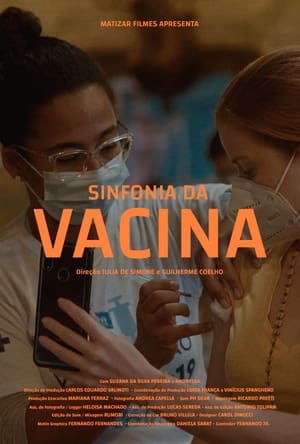
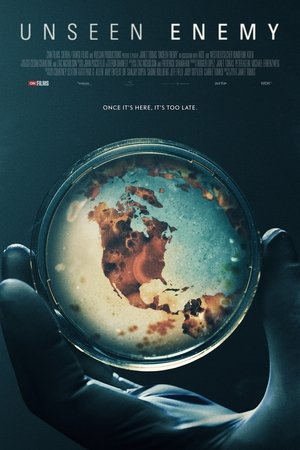
As news of the coronavirus broke around the globe, a small group of scientists jumped into action to tackle one of the greatest medical challenges of our time: to create a vaccine against a virus no one had ever seen before, and to do so in record time, during a deadly, global pandemic.
Montage of news, reports, talk shows, live broadcasts, video blogs. Together, they form the basis for a polyphonic choir that intones, condenses and follows the story of the pandemic, from January 2020 to the present day, with a focus on Germany. A chronicle of devastation can be seen as well as a chronicle of discord and rebellion: against the virus, against fate, against reality.
Takes us to locations all around the US and shows us the heavy toll that modern technology is having on humans and the earth. The visual tone poem contains neither dialogue nor a vocalized narration: its tone is set by the juxtaposition of images and the exceptional music by Philip Glass.
The unique testimony of the tragic events and crimes of russia through the eyes of Ukrainians, which the entire world must see and feel. Film was created from 200 hours of chronicles: survival, resistance, and life during the war. Every minute was filmed by Ukrainians with their mobile phones. Each story in the documentary is a film captured and filmed by Ukrainians on their devices.
A collection of personal anecdotes from those who have navigated through a tumultuous year in America.
Since he was 18 years old, Blake Eckard has written and directed six feature length films in his hometown of Stanberry, Missouri (population 1186). Aside from a short distribution deal in Canada and a few festival screenings, his movies have largely gone unseen.