Since the cult success of Merci Patron!, activist/journalist/filmmaker François Ruffin has become an MP. Here, he attempts to table a law aimed at upholding the rights of what in Quebec are known as caregivers, and shows us in passing how a law whose need seems patently obvious is put together, debated, voted on and . . . dies on the battleground of French politics. A stirring documentary about social injustice that somehow manages to make us bust a gut laughing as we rage with indignation. And also cry at the beauty of it all, thanks to the director’s humanist sensibility and a deft play between reality and fiction.
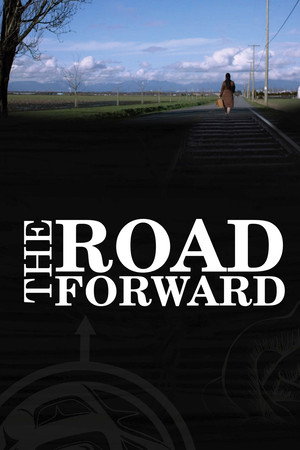
The Road Forward is an electrifying musical documentary that connects a pivotal moment in Canada’s civil rights history—the beginnings of Indian Nationalism in the 1930s—with the powerful momentum of First Nations activism today. Interviews and musical sequences describe how a tiny movement, the Native Brotherhood and Sisterhood, grew to become a successful voice for change across the country. Visually stunning, The Road Forward seamlessly connects past and present through superbly produced story-songs with soaring vocals, blues, rock, and traditional beats.
Tres mujeres, un camino
Directed by Oscar-winning filmmaker Nick Reed & Ryan Azevedo, the film tells the story of activist and Claire’s Place Foundation Founder Claire Wineland through interviews and footage, exploring her fight with cystic fibrosis and how she has inspired millions to find purpose and to live proudly.
Born Freak
TOMBOY explores the obstacles that young girls encounter on the recreational stage, the stereotypes, language issues and cultural disparities that follow, and ultimately the insufficient media coverage and compensation that afflicts elite professional athletes seeking full recognition for their talents. The journey of the female athlete is often discouraging, and despite progress achieved during the Title IX era, gender equity in athletics has a long way to go.
Let Me Run profiles six inspiring women, famous or anonymous, from yesterday or today, athletes or amateurs, who use sport to gain freedom, while tracing more than 150 years of women's struggle for access to sport.
In 2020 the Hungarian government announced the change of ownership at nine state universities in order to make them maintained by foundations. The so-called “restructuring” comprised the imposition of a board of trustees over the universities, the members of which being loyal supporters of the government holding stable positions in its economic halo. Only one of the nine institutions protested against the forced political takeover of the University of Theatre and Film Arts (SZFE). Our film presents one of the stories of the university blockade.
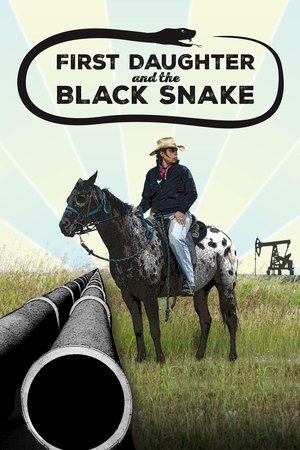
The “Prophecy of the 7th Fire” says a “black snake” will bring destruction to the earth. For Winona LaDuke, the “black snake” is oil trains and pipelines. When she learns that Canadian-owned Enbridge plans to route a new pipeline through her tribe’s 1855 Treaty land, she and her community spring into action to save the sacred wild rice lakes and preserve their traditional indigenous way of life. Launching an annual spiritual horse ride along the proposed pipeline route, speaking at community meetings and regulatory hearings. Winona testifies that the pipeline route follows one of historical and present-day trauma. The tribe participates in the pipeline permitting process, asserting their treaty rights to protect their natural resources. LaDuke joins with her tribe and others to demand that the pipelines’ impact on tribal people’s resources be considered in the permitting process.
John and Yoko in the presidential suite at the Hilton Amsterdam, which they had decorated with hand-drawn signs above their bed reading "Bed Peace." They invited the global press into their room to discuss peace for 12 hours every day.
Never before in Russian history has the Russian domestic intelligence services been more powerful than today. The FSB is a murky organisation that can ruin people’s lives who are deemed enemies of the Russian state and even commit murder on behalf of the Kremlin. Four people in exile open up about their experiences with the FSB.
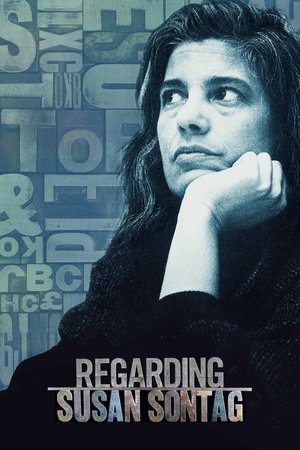
An intimate study of one of the most influential and provocative thinkers of the 20th century tracking feminist icon Susan Sontag’s seminal, life-changing moments through archival materials, accounts from friends, family, colleagues, and lovers, as well as her own words, as read by Patricia Clarkson.
In 2016, after the hate-fuelled murder of a woman in Gangnam, young feminists gathered to talk about their experiences, which led to the ‘tsunami’ of the feminist movement reawakening in Korean society. This tsunami included street protests against misogynistic hate crimes, political campaigning in the upcoming presidential elections, protests against sexism and sexual violence in everyday life, and the ‘black’ protests calling for the abolition of the anti-abortion law. The Fearless And Vulnerable focuses on the activities and members of the Feminist Party (known in Korean as “Femidangdang”), a feminist group that was part of this tsunami wave. The pleasure and sincerity with which they conduct their activities are compounded with their courage in the face of conflict, and the sense of fear that permeates the community. The film shows Femidangdang meetings as well as the daily lives and thoughts of members during their activities post-2016.
The film tells the story of the Rote Zora, a militant women’s group in the FRG, which in the 1970s and 1980s carried out actions against various facets of patriarchal power relations. Narrations by various contemporary witnesses, interviews with a historian and former Zoras bring the history of the Rote Zora and the women’s movement of the time back to life. The film shows that many of the Rote Zora’s themes are highly topical and offers exciting material for discussion on how to deal with this history today.
Behind the gas masks of Hong Kong’s democracy movement, the often very young activists are just as diverse as the youths of the rest of the world. But they share a demand for democracy and freedom. They have the will and the courage to fight – and they can see that things are going in the wrong direction in the small island city, which officially has autonomy under China but is now tightening its grip and demanding that ‘troublemakers’ be put away or silenced. Amid the violent protests, we meet a 21-year-old student, a teenage couple and a new father.
The Israeli filmmaker Shai Corneli Polak records the building of the 'security wall' through Palestinian territory at the village of Bil'in. The villagers protest mostly peacefully, while the Israeli army doesn't react peacefully. By now the Israeli High Court has ruled that the building of the wall was illegal.
As a result of the Holocaust and later, AIDS, the male homosexual community has sustained bitter losses and, according to Praunheim, lesbian women have now placed themselves at the head of the so-called queer movement. The female protagonists in the film represent two different generations; they also incorporate the past and present status of homosexuals in society.
Seven women and one non binary person share their personal experiences with masturbation through short anecdotes and a revolutionary washing machine.
This fascinating political look at a little-known chapter in women's history tells the story of "Jane", the Chicago-based women's health group who performed nearly 12,000 safe illegal abortions between 1969 and 1973 with no formal medical training. As Jane members describe finding feminism and clients describe finding Jane, archival footage and recreations mingle to depict how the repression of the early sixties and social movements of the late sixties influenced this unique group. Both vital knowledge and meditation on the process of empowerment, Jane: An Abortion Service showcases the importance of preserving women's knowledge in the face of revisionist history. JANE: AN ABORTION SERVICE was funded by the Independent Television Service (ITVS) with funds provided by the Corporation for Public Broadcasting.
Elles prennent la parole