In a cluttered news landscape dominated by men, emerges India’s only newspaper run by Dalit women. Armed with smartphones, Chief Reporter Meera and her journalists break traditions on the frontlines of India’s biggest issues and within the confines of their own homes, redefining what it means to be powerful.
This short documentary is the portrait of an 88-year-old woman who lives alone in a log cabin without running water or electricity in the Williams Lake area of British Columbia. The daughter of a Shuswap chief, Augusta lost her Indian status as the result of a marriage to a white man. She recalls past times, but lives very much in the present. Self-sufficient, dedicated to her people, she spreads warmth wherever she moves, with her songs and her harmonica.
The Sahrawi women relate their exil, the tortures, their memories and the difficulties of life as refugees. They are beautiful, touching... Educated by the Polisario Front and attached to the values of islam, they are widows, divorcede or married to fighting men. Owing to the force of circumstances, they have built a society of independant muslim women...
"Barriers" is a documentary in which three women over 60 and a group of young women participate in a game that exposes the prejudices surrounding sexuality in later life. Through these letters, the young women ask the older women about their intimate lives. This creates a space that sheds light on both the taboos and the discomfort that persist around the topic. A space open to silence and deep conversations. At the same time, we discover the stories that characterize these social figures.
unravels the hidden struggles between mothers and daughters across generations.
August 29, 1979, Talavera Bruce Penal Institute, Bangu, Rio de Janeiro. After serving eight years in prison, Inês Etienne Romeu, the only survivor of the "House of Death" in Petrópolis and the first political prisoner sentenced to life in prison in Brazil, left prison benefiting from Amnesty. Norma Bengell filmed this moment: from the prison door to her home with her family, Inês was welcomed by family, friends and members of the Brazilian Amnesty Committee, in what marked the first act of the historic denunciation that Inês would carry out against her tormentors and the Military Regime.
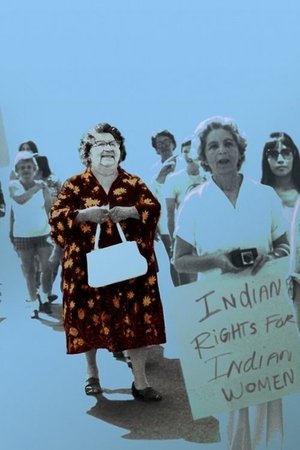
After marrying a settler, Mary Two-Axe Earley lost her legal status as a First Nations woman. Dedicating her life to activism, she campaigned to have First Nations women's rights restored and coordinated a movement that continues to this day. Kahnawake filmmaker Courtney Montour honours this inspiring leader while drawing attention to contemporary injustices that remain in this era of truth and reconciliation.
Luciano lives with his mother and younger sister in a low-income neighborhood in the Argentine city of Rosario. He studies and helps with the housework. Since money is always short, he takes any temporary work he can get to support his family, while he looks for a steady job. After years of spending long hours at the gym, he has managed to see himself in the body he longed for. Life, however, imposes new challenges on him in his relentless journey to pursue his identity.
Recent archaeological discoveries in Germany have changed the way we look at Celtic society and the major role played by women.
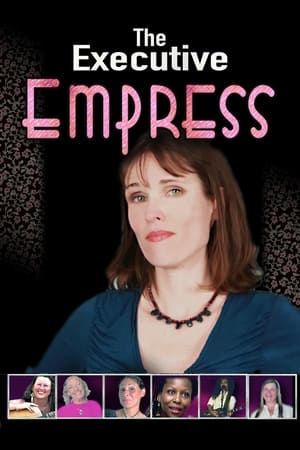
The Executive Empress explores the entrepreneurial lives of several Florida women, who have turned their unique passions into successful businesses.
Light Upon Light: A Documentary on Hijab is an intimate and deeply personal exploration of the diverse, raw, and untold stories of hijabi women. Through open and vulnerable conversations with 7 women, the film dismantles stereotypes, highlights the challenges imposed by society, and celebrates the profound beauty of the hijab beyond a mere clothing choice. It captures the individuality of each woman’s story—how they came to wear the hijab, the struggles they’ve faced, and the strength they’ve found in it. More than just fabric, the hijab is a journey, often misunderstood, and influenced by the way the world perceives it. By amplifying voices that are often unheard, the documentary creates a space for empathy, challenges misconceptions, and invites a deeper understanding of what it truly means to wear the hijab; inspiring everyone to see hijab in a new light.
Western Sahara is one of the most heavily mined territories in the world following decades of conflict with its neighbours. Despite a 1991 ceasefire, most Sahrawis still linger in refugee camps in Algeria because it is too dangerous to live there. Now, some brave young women have taken it upon themselves to clear their ancestral lands of landmines so their people can return.
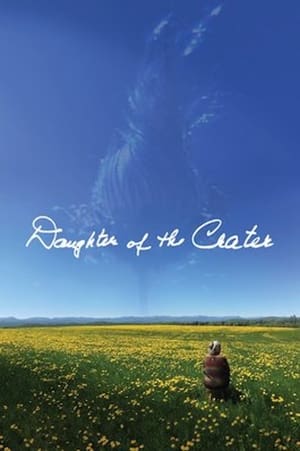
A woman with a deep love of the land, Yolande Simard Perrault sees her life as having been shaped by a planetary upheaval in Charlevoix, Quebec, millions of years ago. As enduring as the Canadian Shield, she’s a woman of strength and spirit, a child of the crater left by the meteor’s impact. This documentary portrays a determined woman who’s the reflection of a land created on an immense scale. She was the creative and life partner of filmmaker Pierre Perrault, who gave up everything to be by her side. The film charts the influence of her unquenchable dreams and her contribution to the building of a people’s collective memory. In a stream of images and words, Simard Perrault recounts the splendours of the landscape and the people who shaped it. Generous and boundless, she embarks on a quest for identity that nurtures and perpetuates the oeuvre of the man who breathed new life into Quebec cinema.
Behind The Looking Glass is a film about the lives of women whose partners have or want to ‘transition’. While we hear a great deal of “stunning and brave” stories of men, there is a deadly silence when it comes to the stories of the wives or partners. This film will be the first of its kind in collecting such experiences of women from around the world.
Benda, a young Sahrawi woman in the diaspora wonders about the future of her people's children and women. We accompany her on an emotional journey to the refugee camps to see the more human face of the conflict. The film leaves the political as a mere context to focus on the dreams and drama of a people determined in their struggle to return home.
Best friends travel though Latin America meeting shamans, experimenting with plant medicines, and wondering about what makes a life well-lived when one of them might have half the time to live it.
In a Parisian public hospital, Claire Simon questions what it means to live in women’s bodies, filming their diversity, singularity and their beauty in all stages throughout life. Unique stories of desires, fears and struggles unfold, including the one of the filmmaker herself.
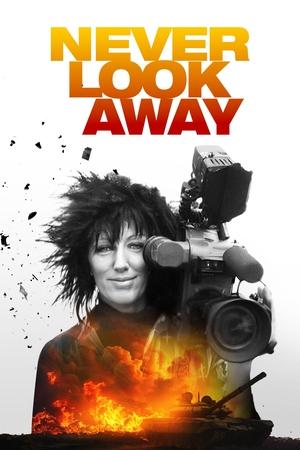
This documentary by Léa Clermont-Dion and Guylaine Maroist plunges us into the vortex of online misogyny and documents hatred towards women. This bleak opus, reminiscent of a psychological thriller, follows four women across two continents: former President of the Italian parliament Laura Boldrini, former Democratic representative Kiah Morris, French actor and YouTuber Marion Séclin, and Donna Zuckerberg, a specialist in online violence against women and the sister of Facebook’s founder. This tour de force reveals the devastating effects such unapologetic hatred has on victims, and brings to light the singular objective of cyber-misogyny: to silence women who shine. Some targets of cyber-violence will crumble under the crystallizing force of the click. Others, proud warriors, will stand tall and refuse to be silenced.
Between the Lines is a visually lyrical experimental documentary about women who cut themselves. The film is about gray areas in women’s relationship to their bodies in the context of deliberate self-harm. The women in this film negotiate the fine lines between self-destructive behavior and self-preserving coping mechanisms, as well as personal marking and the record keeping of experiences that defy language.
The Fania All Stars perform for 44,000 fans at Yankee stadium in New York. Besides concert footage, there's also included a history of Salsa, and vintage film clips of Hollywood's portrayal of Latinos in movies during the 1930's and 40's.