This Traveltalk series short visits a few locations where the centuries-old traditions of ancient India are kept alive in contemporary times.
"The Karma Killings," is a modern-day crime thriller mixed in with Indian mythology and class warfare. The documentary delves into India's most infamous serial killings and its impact on a nation. Told through the people directly involved, the film unravels the complexities of the case and goes beyond the sensational headlines to present a suspenseful and scary mystery. And has a huge twist - one of the killers maybe innocent?
In a poetic hour and a half, director Mani Kaul looks at the ancient art of making pottery from a wide variety of perspectives.
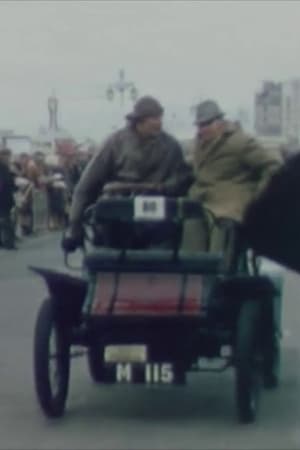
A collection of amateur films made by photographer Roderic Vickers and friends.
Sue Perkins immerses herself in the complex life of Kolkata and sees how it is reinventing itself as a megacity with a reputation for eccentricity, culture and tolerance.
A journey that follows the Ganges from its source deep within the Himalayas through to the fertile Bengal delta, exploring the natural and spiritual worlds of this sacred river.
Phoolan is a documentary film about the extraordinary life of a village girl, gang-rape survivor, bandit leader, and finally parliamentarian. This is the story of one woman’s fight against incredible odds for justice and dignity. Known as India’s Bandit Queen, Phoolan Devi is considered by many to be one of the most extraordinary and controversial women of our time.
This documentary highlights the achievements of India in the political, economic, and international fields since she attained Independence. The framing of her Constitution, the integration of the States and the general elections, the rehabilitation of displaced persons, the river valley projects, and the setting up of a chain of National Laboratories are some of the achievements shown here.
Traveling the length and breadth of the country, S. Sukhdev constructs, a panoramic, non-narrated study of Indian life in the late 1960s. Shot across villages, deserts, countryside, and cities, the film observes daily labor, leisure, and movement without commentary, allowing humor, contradiction, and social texture to emerge organically. The result is a sensory encounter with India poised between inherited tradition and accelerating modernity.
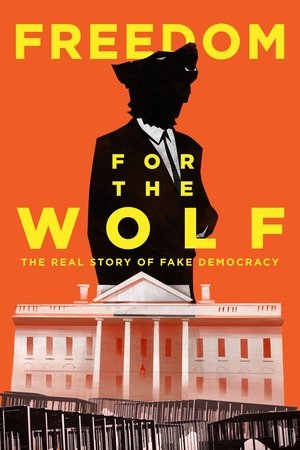
A look at the enduring relationship between the nomadic shepherds and the Indian wolf, who both defy the pressures of the modern world, in the south central plains of India.
The thronging streets of Chennai in festive mood are captured by this lively amateur film.
Amateur shots of pilgrims and temples at Haridwar, followed by rural scenes and the Gorrie family at home.
Documentary detailing a farmer’s visit to the market in Rawalpindi.
A film produced to celebrate the coronation of George V as King-Emperor at the Imperial Durbar of 1911.
A demonstration of sport and fitness by members of the Indian Army.
Tigers in the Himalayan foothills, filmed by famous hunter and conservationist Jim Corbett.
An intimate insight into the servant culture and lifestyle of the Viceroy of India and family, as they visit Simla (Shimla) and Lahore.
Millions of Muslims flee to Lahore in the newly created state of Pakistan, prompted by the partition of British India.
A group of teenagers from Flint, Michigan filmed themselves kidnapping and terrorizing a new acquaintance, before taking her out to a woods and dumping her in a shallow grave. They then taunted their terrified and blindfolded victim asking if she had any last requests before they cut her throat. But was the kidnap real or just a game? Three days later the tape was in the hands of the police and the 5 teenager friends were in custody facing life imprisonment. This program talks to the people at the heart of this story - including two of the defendants - in an attempt to understand what really happened in the woods around Flint last year. It also screens the video of the 'abduction'. What is revealed is an extraordinary and disturbing record of a night when something went terribly, terribly wrong.
Benninger