Claire Buisson becomes enamored with Gerard and soon afterwords she becomes pregnant. Gerard advises her to abort the child but, at the last moment, Claire decides to keep her child and leaves for her sister's place in the province.
In 1960s San Francisco, bright and talented catholic school girl Celina Guerrera survives a difficult home life by following the rules. That is until an indiscretion creates a series of devastating consequences. As Celina faces the compounded obstacles of being young and alone, she sets out to rise above the oppression of poverty and invest in a future that sets new precedents for the time.
Loner follows the mundane yet intimate day-to-day existence of an introverted individual whose life unfolds in quiet, unremarkable routines. Each task throughout the day, no matter how small, becomes an exploration of isolation.
Homer is an orphan who was never adopted, becoming the favorite of orphanage director Dr. Larch. Dr. Larch imparts his full medical knowledge on Homer, who becomes a skilled, albeit unlicensed, physician. But Homer yearns for a self-chosen life outside the orphanage. What will Homer learn about life and love in the cider house? What of the destiny that Dr. Larch has planned for him?
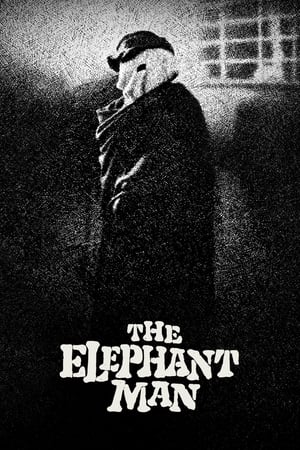
A Victorian surgeon rescues a heavily disfigured man being mistreated by his "owner" as a side-show freak. Behind his monstrous façade, there is revealed a person of great intelligence and sensitivity. Based on the true story of Joseph Merrick (called John Merrick in the film), a severely deformed man in 19th century London.
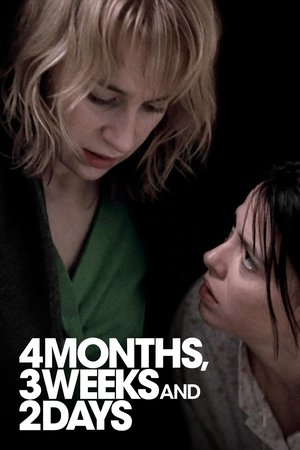
Two college roommates have 24 hours to make the ultimate choice as they finalize arrangements for a black market abortion.
The respected gynecologist Prof. Hausen is averse to performing abortions. In contrast, his up-and-coming colleague Dr. Schäfer sees abortion as a means of helping women in need and openly advocates an amendment of the law. The professor’s convictions are shaken when misfortune befalls his own family. Louise Fleck presents her drama about the untimeliness of restrictive abortion legislation against the backdrop of modern urban reality. Seriousness, however, is preserved, because topics such as unwanted pregnancy, sexual violence, and the consequences of improperly performed abortions are not only addressed through minor characters, but also placed at the center of the cinematic narrative. (Anna Dobringer)
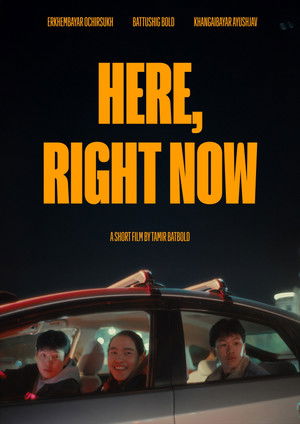
A trio of friends find themselves in a "what if" situation on the road to the movies.
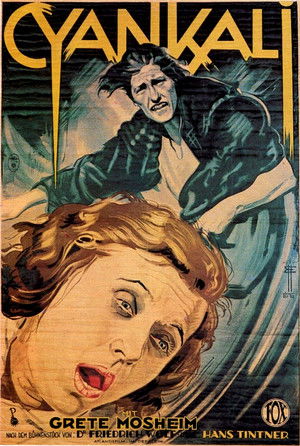
Drama based on a play by Friedrich Wolf. Hete is pregnant, hoping to have a family with her fiancé Paul. When the factory where she and Paul work sacks all striking workers, she tries to find a legal abortion. But there is only the illegal option - the eponymous cyanide.
A young mother from Arkansas is forced to travel across state lines in search of an urgent and necessary abortion.
O Pior Ainda Está Por Vir
The mother and daughter face the question of whether to keep the pregnancy or terminate it. Both are under pressure from relatives, friends, and doctors. Both are going through a difficult decision-making process. Each episode of the artistic part shows the life circumstances and the path that a woman in a crisis situation goes through. In documentary inserts, representatives of various professions (psychologists, lawyers, gynecologists, clergymen) tell how they face the problem of abortion in their lives.
On the eve of a future-defining championship, promising 17-year-old volleyball player Sofia is faced with an unwanted pregnancy. Seeking an illegal termination, she becomes the target of a fundamentalist group determined to stop her at any cost – but neither Sofia nor those who love her are willing to surrender to the blind fervor of the swarm.
An anxious woman races across strange, shifting landscapes clutching a tray of lasagna, her desperate run capturing the humour and stress of trying not to be late for a potluck.
After finding herself in an unstable relationship, Yasmina, a wedding planner discovers she is pregnant. Alone she takes the decision to have an abortion. Life gets in her way through different encounters making her decision questionable.
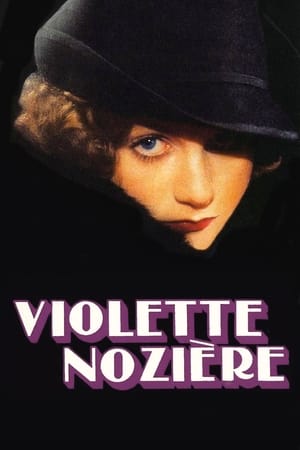
Paris, 1933. The daughter of a respectable lower middle class couple, Violette Nozière, leads a disreputable double life. Far from being the innocent 18-year-old her parents mistake her for, she spends her nights with dissolute young men in the less salubrious areas of the city.
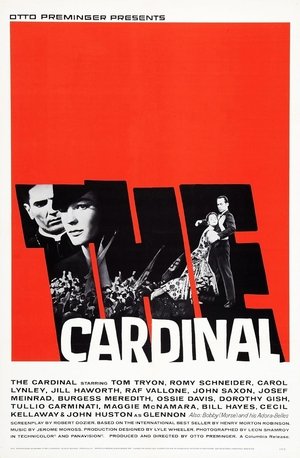
A young Catholic priest from Boston confronts bigotry, Nazism, and his own personal conflicts as he rises to the office of cardinal.
Ingrid works as a gynecologist in a district hospital in Slovakia in the late 1980s. Her marriage is at a standstill, she has an affair with a younger colleague in the hospital, and after work, she sits on the abortion committee where they offer Roma women sterilization after the abortion is approved. Eighteen-year-old Agáta, who grew up in a children’s home, comes to work as a nurse at the hospital. Ingrid unexpectedly becomes close to her.
A girl goes out partying with her friends, but never arrives. On her way, she suffers abuse. From that day on, her life changes completely. A series of events begin to unfold around her, slowly destroying her, which drives her to take desperate measures.
After discovering she can’t legally get an abortion in Missouri without her parents’ permission, teenager Veronica convinces her former best friend Bailey to take a road trip to Albuquerque to seek the procedure.