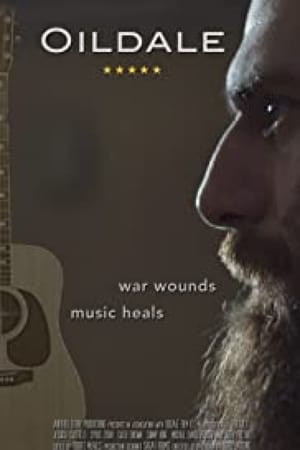
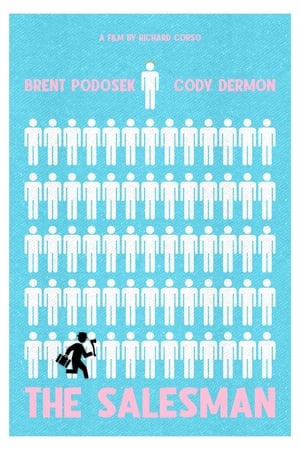
A portrait of the lives of a disparate group of patrons and employees at an American watering hole today.
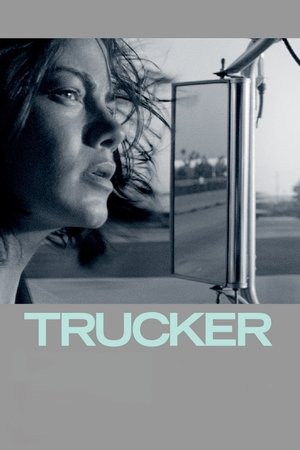
Loner Diane Ford is a truck driver with an 11-year-old son, Peter, whom she never sees, and that's fine with her. But, when Peter's father, Len, falls ill, he asks Diane to take care of their son for a while. Eventually, Diane reluctantly agrees, but she quickly realizes that caring for a child interferes with her independent lifestyle - and Peter isn't all that thrilled with the arrangement, either.
A confessional, cautionary, and occasionally humorous tale of Robbie Robertson's young life and the creation of one of the most enduring groups in the history of popular music, The Band.
Documentary looking at the culture of three motels and their owners who remain untouched by homogenization and corporatism, located in Santa Fe, New Mexico; Florence, Arizona; and the semi-ghost town of Death Valley Junction, California. Everyone has an unusual story to tell.
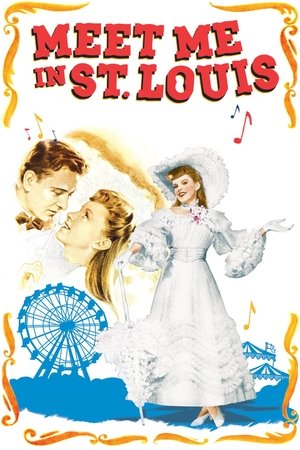
A year in the life of a turn-of-the-century middle class family, leading up to the opening of the 1904 St. Louis World's Fair.
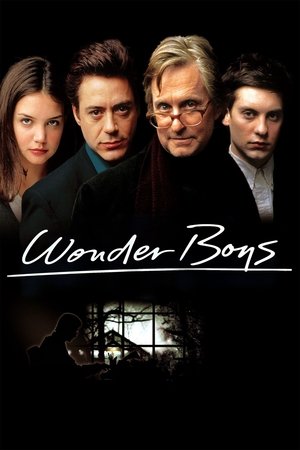
Grady is a 50-ish English professor who hasn't had a thing published in years—not since he wrote his award winning 'Great American Novel' 7 years ago. This weekend proves even worse than he could imagine as he finds himself reeling from one misadventure to another in the company of a new wonder boy author.
An intimate portrait of the acclaimed North Carolina band The Avett Brothers, charting their decade-and-a- half rise, while chronicling their present-day collaboration with famed producer Rick Rubin on the multi-Grammy-nominated album “True Sadness.”
"The Star-Spangled Banner" is known by all, treasured for its powerful melody and stirring lyrics. And yet, only about 40% of U.S. citizens know all the words. And even fewer know their meaning. Join us as we travel back to 1814, when Washington D.C. was under British attack during the "Second War of Independence," and the very bricks and mortar of American democracy were reduced to smoking rubble. We examine the battle that inspired witness Francis Scott Key to immortalize its final moments, then reveal how his poem transformed into an anthem.
Award-winning comedian Rich Hall takes a country music journey from Tennessee to Texas to look at the movements and artists that don't get as much notoriety but have helped shape the genre over the years. With the help of prominent performers and producers including Michael Martin Murphey, Robbie Fulks and Ray Benson, Rich explores the early origins of country music in Nashville and Austin. He visits the rustic studios where this much-loved sound was born and discovers how the genre has reinvented itself with influences from bluegrass, western swing and americana.
From Wikipedia, the free encyclopedia. A Girl of the Limberlost is a 1924 American silent film, produced by Gene Stratton-Porter and directed by James Leo Meehan. It stars Gloria Grey, Emily Fitzroy, and Arthur Currier, and was released on April 28, 1924. The first adaptation of Stratton-Porter's famous novel, this silent film is considered lost.
A minor train accident in rural Nebraska gradually unveils a mystery involving the town's reclusive bank clerk.
You Gave Me A Song offers an intimate portrait of old-time music pioneer Alice Gerrard and her remarkable, unpredictable journey creating and preserving traditional music. The film follows eighty-four year old Gerrard over several years, weaving together verité footage of living room rehearsals, recording sessions, songwriting, archival work, and performances with photos and rare field recordings. Much of the film is told in Alice’s voice and via interviews with musical collaborators and family members who share the story of Alice and others chasing that high lonesome sound.
Two childhood best friends reconnect as teenagers, finding themselves at a crossroads in their lives.
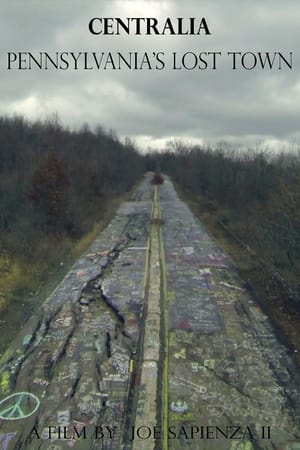
A small town is overcome by a massive underground coal fire in 1962. As a result hundreds of residents had to be relocated.
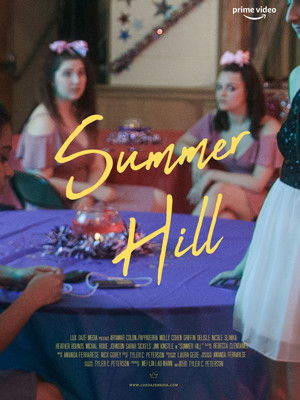
The teenagers of a rural community are confronted by the not-so-charming realities of their hometown on the eve of its annual beauty pageant.
Alice (Florence Vidor) is not satisfied with her family's financial situation and tries to convince others that she comes from a wealthy family. In the end she discovers that she is only fooling herself and decides to go to work to help her father's failing business.
At the heart of "Dreaming in America" is Lucero's story about that amazing thing, too often overlooked: a blue-collar rock group's struggle to survive. As the music industry has exploded over the past few decades and the ability to "move units" has become the defining calculus of the business, it's an incredibly emotional experience to see a band who does it because they have to, because their lives depend on it, and because they love it. There are hundreds of such bands criss-crossing the country at any given moment. This is a film about one of them-a band on the edge of greatness, working to break through. In a happy bit of rock kismet, "Dreaming in America's" cameras started rolling just as Lucero was breaking from its indie rock past and considering the treacherous leap to a major label deal unlike anything seen by the industry before. At that point, the band was between labels and, though it had sold north of 20,000 records.
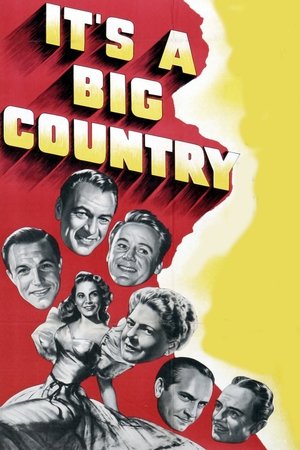
Comprised of eight unrelated episodes of inconsistent quality, this anthology piece of American propaganda features some of MGM Studios' best directors, screenwriters and actors; it is narrated by Louis Calhern. Stories are framed by the lecture of a university professor. In one tale a Boston resident becomes angry when the census forgets to record her presence. Another sketch chronicles the achievements of African Americans while still another pays tongue-in-cheek tribute to Texas.
Dawn is a quiet young teenager who longs for something or someone to free her from her sheltered life.
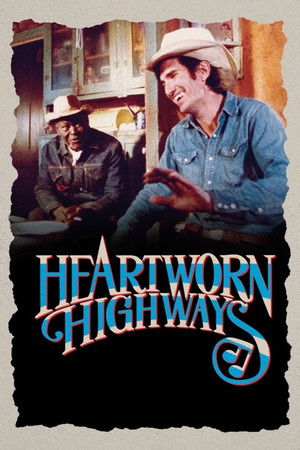
Follow Guy Clark, Susanna Clark, and Townes Van Zandt as they rise from obscurity to reverence: Guy, the Pancho to Van Zandt’s Lefty, struggling to establish himself as the Dylan Thomas of American music, while Susanna pens hit songs and paints album covers for top artists, and Townes spirals in self-destruction after writing some of Americana music’s most enduring and influential ballads.