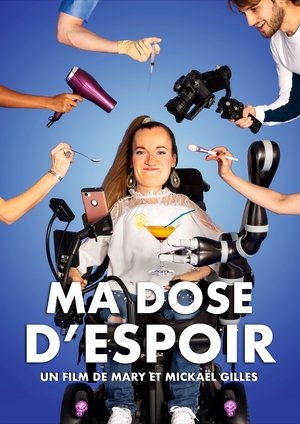
Le Polyhandicap : Une immersion au plus près de l'humanité
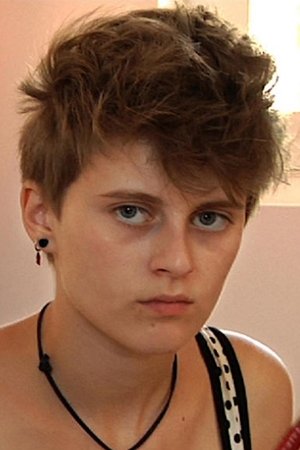
A 16 year old girl recalls the last moments of her summer vacation, spent with friends in the Laurentians north of Montreal. She reminisces about their talks on life, death, love, and God. Shot in direct cinema style, working from a script that left room for the teenagers to improvise and express their own thoughts, the film sought to capture the immediacy of the youths presence their bodies, their language, their environment.
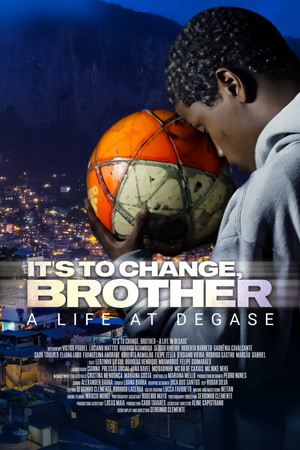
É Pra Mudar, Muleke - Uma Vida no DEGASE
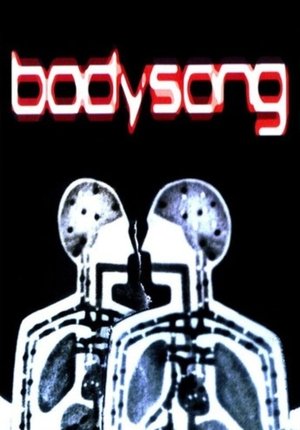
Documentary footage from various sources, set to music. Showing the whole of human life, from birth to death and beyond.
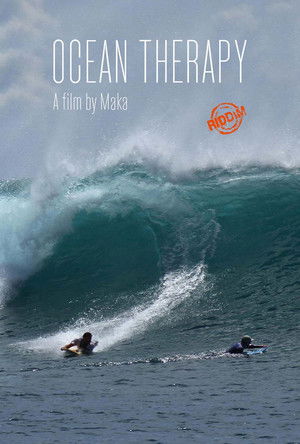
Ocean Therapy is the story of an unknown hero, Bruno, surfer, skipper bound for living on the ocean, navigating and discovery. Bruno’s dream falls appart when, at 24 years old, he is victim of an accident and looses the use of his legs. After a deep period of depression and two suicide attempts, Bruno will reconnect with life through his passion for the Ocean. Ocean Therapy is the authentic story of a man that lives for his passions.
In Saint Pierre et Miquelon, a tiny French archipelago in the North Atlantic, a group of teenagers have just graduated from high school. Urged to continue their studies, it's time to leave for mainland France and Canada. Manon, Evie, Enguerrand and their friends are about to spend their last summer on the islands together. In the turmoil that precedes this leap into the void, these budding adults, like previous generations, are confronted with this particular moment in their lives. They'll have to leave. But they are islanders, and this departure has the air of exile, of uprooting with no certainty of return. As they leave adolescence, they will be uprooted from their land, crossing a border that is both symbolic and physical. The idea is that something happens here that is more observable than elsewhere, something that concentrates and accelerates the transformations of the teenagers' personalities.
Arthur Rimbaud : Six mois en enfer
Tero Sand was attached to a life-support machine for 28 years but managed to get recognition as an expert both in medicine and geology. In this documentary Sand's life is constructed using interviews and archival clips. The film is a sequel to the documentary Haluan vain elää.
Elle entend pas la moto
In the industrial and maritime city of Le Havre, Soren and Karving, two 14-year-old friends, are passionate about fishing. In conflict with authority and failing at school, fishing has become their space of freedom and a unique way to project themselves into the future: more than anything, Soren wants to become a fisherman and Karving a fisherman-reporter. As the pressure of their exams mounts, and without their diploma they can kiss their dream life goodbye, they will have to compromise between their passion and reality.
Following the death of her brother, filmmaker Robie Flores returns to her hometown Eagle Pass on the Texas/Mexico border, wanting to turn back time. She collides with unruly experiences of adolescence – quinceañeras, Rio Grande river excursions, teen makeovers and beyond – that invite her to soak up the details of the home her brother adored and she ignored. What emerges is a playful dance between a personal and collective coming-of-age portrait of kids on the border and Robie herself as she rediscovers the possibilities of joy in the aftermath of grief.
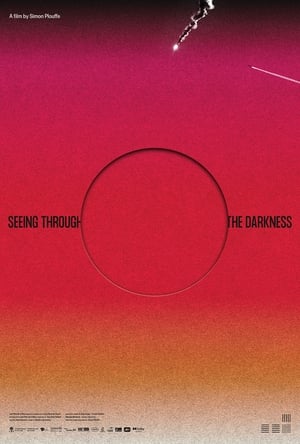
The film follows five people who lost their sight in armed conflicts, gathering fragments of their present-day lives. Through an enveloping sound composition, veiled archival material, footage shot by the protagonists themselves, and a sensitive visual approach, the film explores memory, perception, and our relationship to the visible. Steering away from spectacle, it invites us to hear what often goes unheard, and to feel differently. In an age saturated with images, this documentary offers a sensory experience where listening becomes a gesture of resistance and human reconnection.
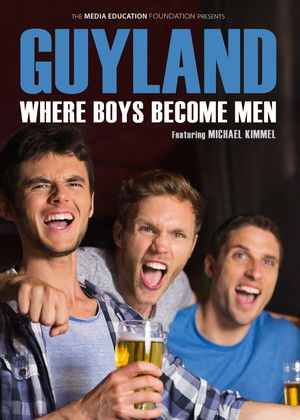
In this powerful new film based on his bestselling book, sociologist Michael Kimmel maps the troubling social world where boys become men -- a new stage of development he calls "Guyland." Arguing that the traditional adult signposts and cultural signals that once helped boys navigate their way to manhood are no longer clear, Kimmel provides an astonishing glimpse into a world where more and more young men are trying desperately to prove their masculinity to other young men -- with frequently disastrous consequences for young women and other young men. Guyland offers a way for all of us -- parents, young men and women, community members, and professors and administrators -- to envision new ways to support young men as they navigate this often perilous world.
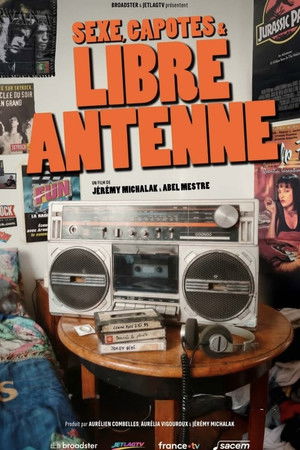
Libre antenne
On a sailboat in the middle of the Ocean, five teenagers in rehabilitation are travelling with adults of different ages and backgrounds. Off unknown coastlines, the boat’s space becomes a huis-clos in which everyone faces their own difficulties, the challenge of living together and also the manoeuvres of sailing, the Ocean and its turmoil—until the arrival on land.
Inspired by the small enterprise, CHROMABYADHAM, a colourblind inclusive clothing wear line. ECLIPSE FEVER, the third collection, encompasses the visual representation of the brand and features themes of growth and remembrance, while coherently showcasing the new collection — a celebration of nighttime and nightlife.
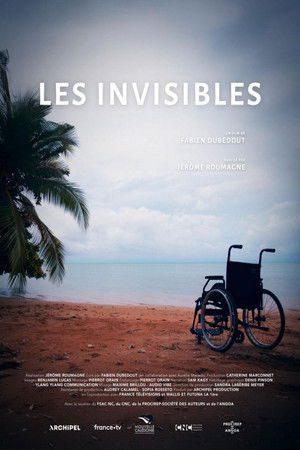
"In Wallis and Futuna, disability has long lived in the shadows. Invisible to the world, those affected were marginalized, deprived of genuine recognition and a place in society. Behind closed doors, shame and fear of judgment mingled with the pain of families convinced that a child with a disability was a curse. Today, these superstitions are gradually fading. But the wounds of the past remain, and the path to acceptance and inclusion is still long. On this archipelago, it is urgent to make up for lost time in terms of recognition, support, and dignity for every person with a disability."
Mixes documentary interviews of memories of lesbian adolescence with the story of the 12-year-old girl Lou discovering her sexuality in 1960s America.
In this French Canadian film, the lives of teenagers are examined in fantasy sequences and through the use of documentary interviews. Prompted by the filmmaker, nine teenagers individually act out their secret dreams and, between times, talk about their world as they see it. The fantasy sequences make creative use of animation, unusual film-development techniques, and stills. Babette conceives of herself as an abbess defending her fortress, a convent; Michelle is transported in a dream of love where all time ceases; Philippe is the revolutionary, defeating all the institutions that plague him, and so on, through all their fantasies. All the actual preoccupations of youth are raised: authority, drugs, social conflict, sex. Jutra's style in "Wow" exhibits his innovative approach to storytelling and filmmaking, showcasing his talents as a director during that period. With English subtitles.
Les Yeux de ma Mer