Floating Vessel (源氏物語 浮舟 , Ukifune) is a 1957 color Japanese film directed by Teinosuke Kinugasa. Drawn from parts of the famous Genji monogatari by Lady Murasaki.
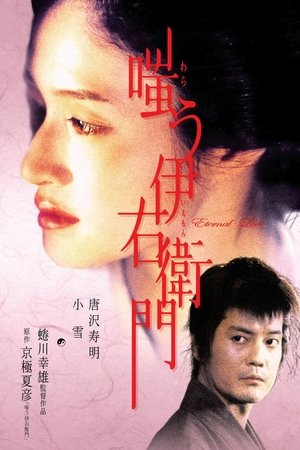
The film tells about the life of the former vassal of the Ako clan - Fuwa Katsuemon Masatane.
In Edo-era Japan, a ukiyo-e artist languishes in his master’s shadow. Creatively stifled, he finds consolation in the company of a prostitute, and becomes entangled in a love triangle. A mystery emerges involving two portraits and the sudden disappearance of the artist Sharaku. Helmed by Cannes-selected director Tatsuji Yamazaki, the film employs kabuki-inspired sequences and stylised sets.
Bored Hatamoto film #17
Ogami Itto battles a group of female ninja in the employ of the Yagyu clan and must eliminate a traitor who plans to sell his clan's secrets to the Shogunate.
Chushingura has been made into a movie several times before, but this time it will be presented in a widescreen version with all natural colors and a new look. Written by Masato Ide and directed by Tatsuo Osone. This is a magnificent scroll of images that depicts on a grand scale the triumph of the Genroku era that shook the citizens of Edo, the peaceful capital of Japan. The top stars of the film, shinpa, shingeki, and kabuki worlds at the time of production were lavishly cast, and a huge budget was invested to create a large set for this highly acclaimed and moving epic.
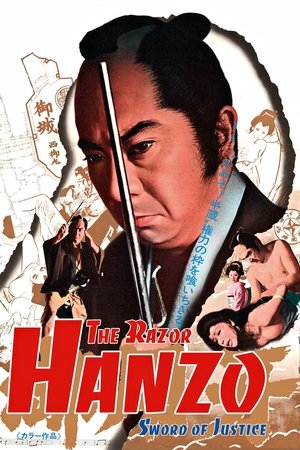
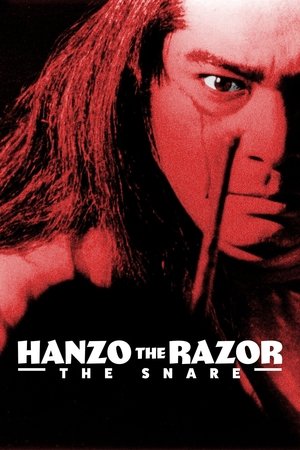
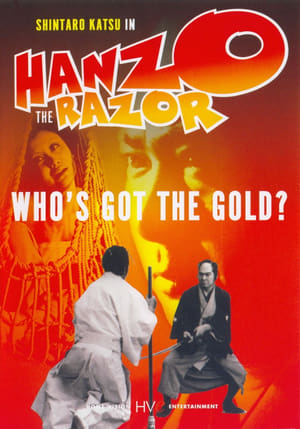
Against the backdrop of the Edo treasury devaluing currency and driving many into poverty, Hanzo Itami enforces the law without regard to status. He shows inadequate respect to the treasurer, who wants him dead.
Hanzo extracts a confession from a ghost using his assaulting methods, foils thieves, connects with Heisuke Takei a friend from his youth, offers protection to a forward-thinking physician Genan Sugino who has defamed his ruler, discovers a pleasure ring of young wives and a blind music teacher, and cuckolds a corrupt official under his very nose.
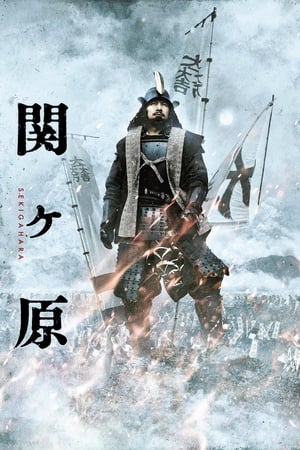
The background to and depiction of a watershed battle in Japanese history, at Sekigahara in 1600, when Tokugawa Ieyasu's Army of the East defeated the Army of the West of Ishida Mitsunari. The story includes the intrigues and shifting loyalties of the various retainers, family members, and samurai.
三屋清左衛門残日録 三十年ぶりの再会
Wishing to find peace, Zatoichi travels to his old village but only finds trouble when he ends up in a love triangle and finds old scores have followed him home.
After arriving in the town of Shimonita, Ichi finds that a price has been put on his head by a local yakuza boss. He's drawn into a trap, but after hearing of the slaying of a former love, Ichi furiously fights his way through the entire clan to face the killer, a hired ronin.
Zatoichi is sworn to protect the life of a young girl and without any real allies finds himself in the middle of a bloody turf war.
In Tensho 9, as Oda Nobunaga nears the unification of Japan, he assigns trusted generals to conquer remaining regions. Meanwhile, a peasant farmer named Sahei, resembling Nobunaga, is chosen by Hideyoshi and Sen no Rikyu to act as Nobunaga’s shadow. Furious at the idea of a double, Nobunaga confronts Sahei, who courageously performs the "Atsumori" dance, impressing Nobunaga enough to accept him as his Kagemusha. Sahei’s first test as the shadow warrior comes at a memorial service for the Oda family.
Police detective Heiji is assigned to catch the masked Maboroshi gang of robbers who have terrorized all of Edo, leaving few clues as to their leader's identity.
This movie depicts a familiar samurai Tange Sazen story realistically. Tange loses one of his eyes and arms in an attempt to recover a masterpiece sword for his lord. However, his efforts are not appreciated and he becomes a man of hatred.
Four people recount different versions of the story of a man's murder and the rape of his wife.
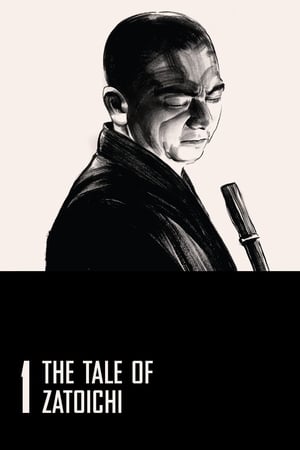
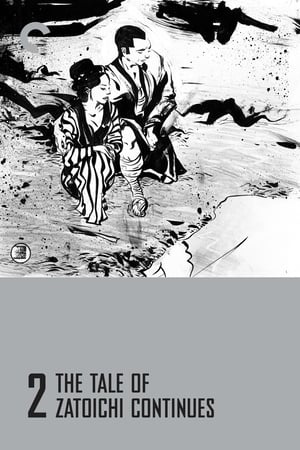
Blind traveler Zatoichi is a master swordsman and a masseur with a fondness for gambling on dice games. When he arrives in a village torn apart by warring gangs, he sets out to protect the townspeople.
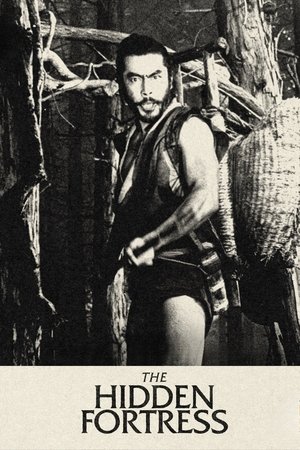
A samurai answers a village's request for protection after he falls on hard times. The town needs protection from bandits, so the samurai gathers six others to help him teach the people how to defend themselves, and the villagers provide the soldiers with food.
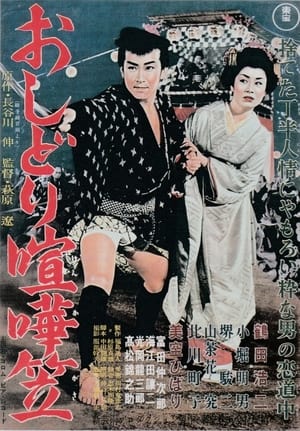
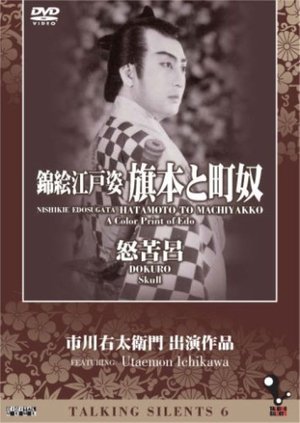
The Color Print of Edo is a 1939 black and white Japanese silent film with benshi accompaniment directed by Kazuo Mori. It is a cheerful period drama, sprinkled with comical scenes and tells the story of a loyal and handsome Edo period servant who fights to help his older brother marry the woman he loves. The star of this film, Utaemon Ichikawa, gained enormous popularity for his portrayal of a cheerful and chivalrous man.