La Historia de Esos Días
"All Five Millions of Us" is a hybrid of documentary and fiction feature film about father absence, based on data released by the National Council of Justice: there are 5.5 million children without paternal recognition in Brazil.
In this short docu-fiction film, strong and hardy Inuit hunters demonstrate and test their strength in boxing, tug-of-war, and other strenuous activities. We see and hear the drum dance, a demonstration of Inuit poetry and rhythm.
La vie au temps de Cro-Magnon
Colosseum: A Gladiator's Story
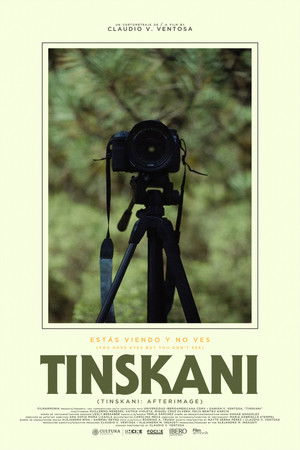
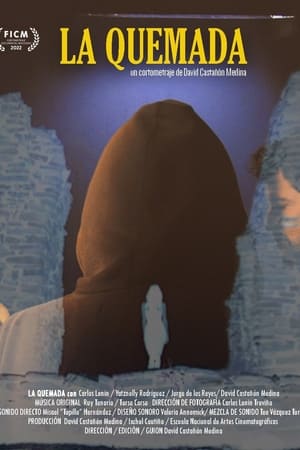
Tinskani mourns the death of his friend and mentor, Salvador. His partner, Citlali, urges him to attend the funeral with her, but Tinskani is haunted by the photograph of his friend's corpse. He'd rather wander through the town’s carnival, camera in hand, seeking to replace that ghostly portrait with new ones.
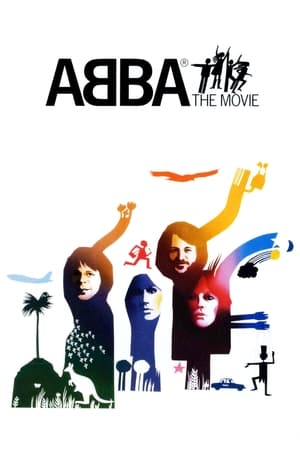
A radio DJ in pursuit of an exclusive interview follows ABBA during their mega-successful tour of Australia.
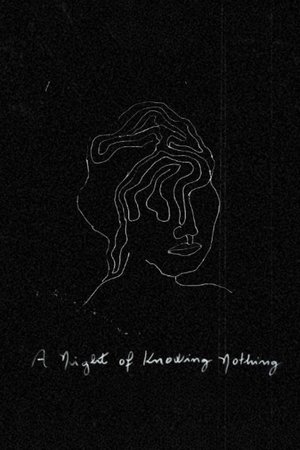
L, a student in India witness to the government's violent response to university protests, writes letters to her estranged lover while he is away.
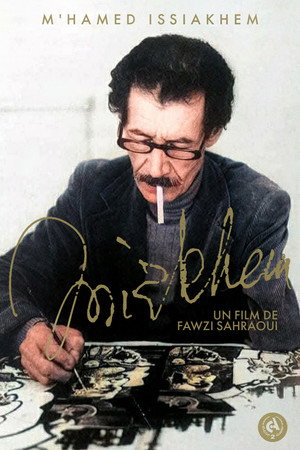
M'hamed Issiakhem (Kabyle: Mḥemmed Isyaxem; Arabic: محمد إسياخم)—born on June 17, 1928, in Taboudoucht (Aghribs), then part of the Tizi Ouzou Department in Algeria, and who died on December 1, 1985, in Algiers—was an Algerian painter and a leading figure of modern painting in Algeria. In 1943, he handled a grenade stolen from a US military camp, and it exploded; two of his sisters and a nephew were killed. Hospitalized for two years, he underwent the amputation of his left arm. From 1947 to 1951, he studied in Algiers, first at the Société des Beaux-Arts and later at the École des Beaux-Arts. "A country without artists is a dead country... I hope we are alive..." These words were spoken in a film by Fawzi Sahraoui—produced by the RTA in 1985 and shot just months before the painter M'hamed Issiakhem passed away. It is a fascinating docudrama in which Issiakhem opens up with subtlety, passion, and generosity.
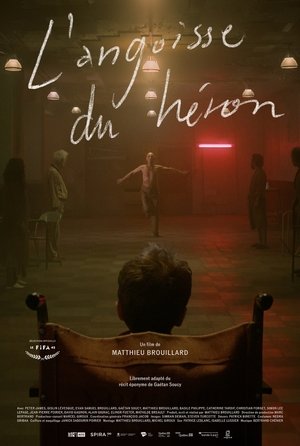
L'angoisse du héron
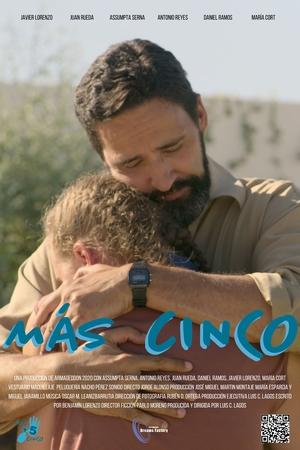
Más cinco
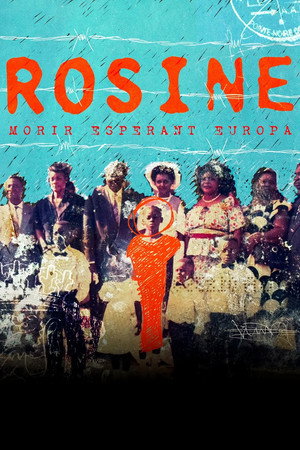
Rosine
A village meeting in communist Russia to pay homage to Stalin leads to a gossip marathon, which develops into an endurance test for the participants.
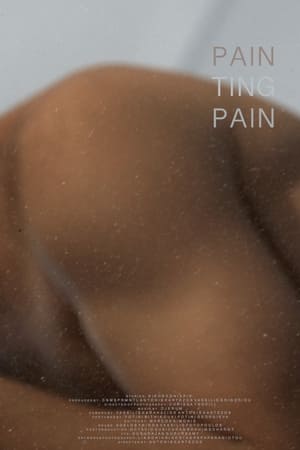
The film approaches the work of the Greek artist Nikos Koniaris. The particular way in which the painter depicts human suffering is presented through a film - a hybrid of real recording and directed material. The grief, the sick body, is reflected in self portraits, portraits of dying strangers and paintings of dead models. The paintings, apart from his work, also express a different version of himself. All together contribute to the depiction of man as a "garment of pain".
12 years later, a failed school short film is resignified to share the multiple experiences that exist in the creation of a film.
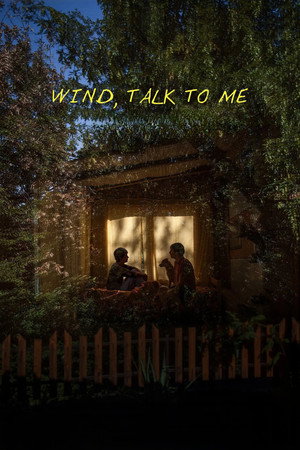
Stefan reunites with his family to celebrate his grandmother's birthday for the first time after his mother's recent passing. This homecoming, driven by his urge to complete a film about his mother and an attempt to make amends by rescuing a stray dog, will ignite an introspective journey for Stefan. Inspired by the director's real-life experiences and starring his actual family members in a mission to complete a lake house and a film, this is an intimate cinematic exploration of the timeless mother-son relationship.
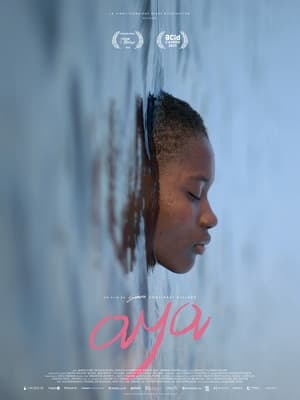
Aya grows up with her mother on the island of Lahou. Joyful and carefree, she likes to pick coconuts and sleep on the sand. However, her paradise is doomed to disappear under the waters. As the waves threaten her house, Aya makes a choice: the sea can rise, but she will not leave her island.
Four friends tired of protests are thinking about another way to shake up capitalist society. Driven by fiction, they decide to blow up a Brussels shopping center. How to think the attack? What roles do they need to play in order to imagine taking action? Is their friendship reconcilable with such a radical act?
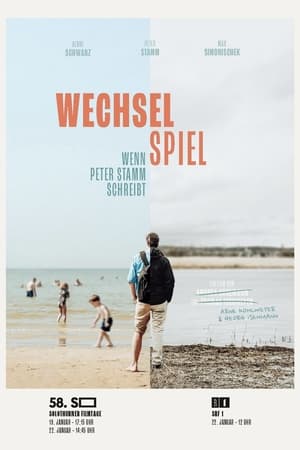
Two documentary filmmakers become the plaything of writer Peter Stamm and subject of the novel whose creation they actually wanted to document.
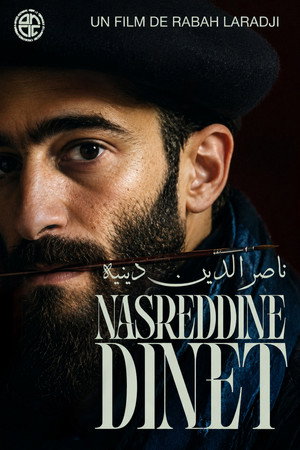
Étienne Dinet (إتيان دينيه), born March 28, 1861 in Paris, where he died on December 24, 1929, was a French painter and lithographer. He was one of the leading representatives of Orientalist painting at the turn of the 19th and 20th centuries. Obtaining a scholarship in 1884, Dinet undertook his first trip to southern Algeria in the region of Bou-Saâda, the Naili culture having a profound impact on him, as he would return there many times until he settled in his first Algerian studio in Biskra in 1900. In 1905, he bought a house in Bou-Saâda to spend three-quarters of the year there. In 1907, on his advice, the Villa Abd-el-Tif was created in Algiers, modeled on the Villa Medici in Rome. Having lived much of his life in Algeria, he called himself Nasreddine Dinet (نصر الدين ديني) after converting to Islam. On January 12, 1930, he was buried in the Bou-Saâda cemetery, where a museum that houses many of his works bears his name.