A short distance from Marseille, at Cape Morgiou, in the depths of the Calanques massif, lies the Cosquer cave, discovered only about thirty years ago by a diver, Henri Cosquer. With its bestiary of hundreds of paintings and engravings - horses, bison, jellyfish, penguins - the only underwater decorated cave in the world allows us to learn a little more about Mediterranean societies 30,000 years ago. Today, threatened by rising water levels accelerated by global warming, this jewel of the Upper Paleolithic is in danger of being swallowed up. To save the cave from disappearing, the Ministry of Culture has chosen to digitize it. From this virtual duplicate, a replica has been made on the surface to offer the public a reconstruction that allows them to admire these masterpieces.
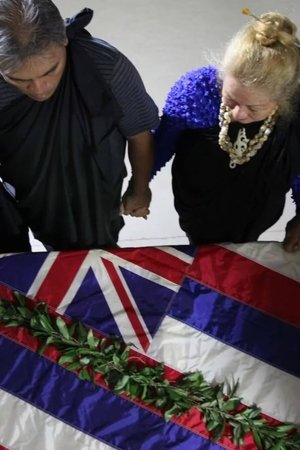
Ka Hoʻina documents members of Hui Mālama I Nā Kūpuna O Hawaiʻi Nei's final repatriation of over 140 sets of iwi kupuna and provides an intimate look into the legacy forged by these committed and passionate few, ensuring that Hawaiians will mālama or care for kupuna for generations to come.
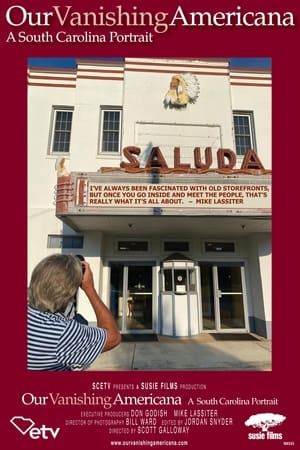
Photographer Mike Lassiter journeys across South Carolina capturing the stories of historic, often family-run businesses that line main streets from the coast to the upstate.
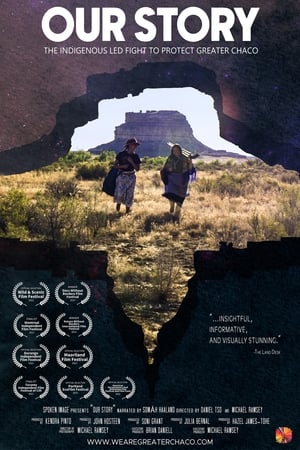
Over 90 percent of the available lands in the Greater Chaco region of the Southwest have already been leased for oil and gas extraction. Witness the Indigenous-led work to protect the remaining lands that are untouched by oil and gas, as well as the health and well-being of communities surrounded by these extractive industries.
During the Cultural Revolution in China in the late 20th century, ethnic Manchu people were persecuted and forced to give up such cultural traditions as the shaman dance (tiao tchin, meaning "spirit-jumping" or "god's dance"). However, on Changbai Mountain in Northeast China, a farmer named Guan Yunde decided to start designing and building traditional Manchu shaman drums. At age 70, he is one of a minority of ethnic Manchu people in China's Jilin province, and one of the few people keeping the Manchu shamanic tradition alive.
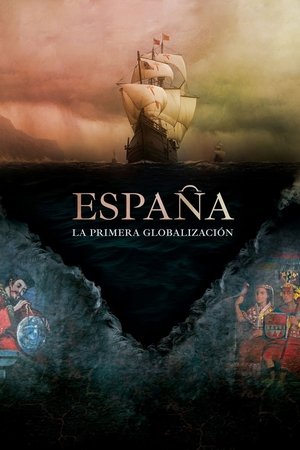
A new reading of the historical period that began with the reign of the Catholic Monarchs (1479-1516) and the discovery of America (1492), as well as an analysis of its undeniable influence on the subsequent evolution of the history of Spain and the world.
Nos restaurants : Une grande histoire française
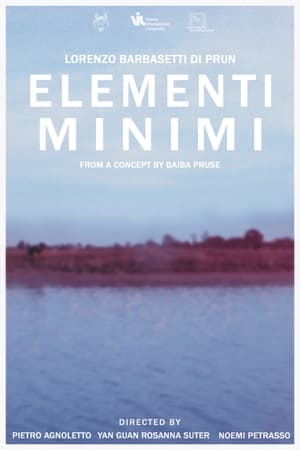
The documentary explores the world of culture, nature and gastronomy through one chef's eyes across the marshlands of the Venetian Lagoon.
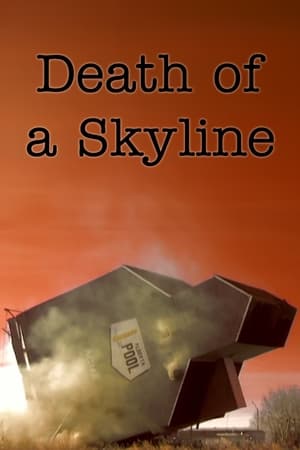
A group of citizens lobbied to save the landmark Alberta Wheat Pool grain elevator, one of the defining features of Mayerthorpe’s landscape, from being torn down in 2003 - as thousands of others had been. This film documents those efforts while exploring the broader history and significance of the grain elevator.
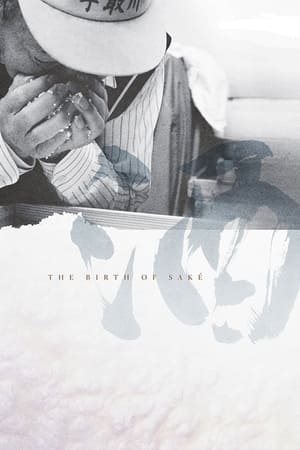
Through the unrelenting winter in the north of Japan, a small group of workers must brave unusual working conditions to bring to life a 2,000-year-old tradition known as sake. A cinematic documentary, The Birth of Sake is a visually immersive experience of an almost-secret world in which large sacrifices must be made for the survival of a time-honored brew.
A glimpse at how genre film-focused home video companies have taken the charge in preserving, restoring, and releasing so many works which otherwise might have been lost to time.
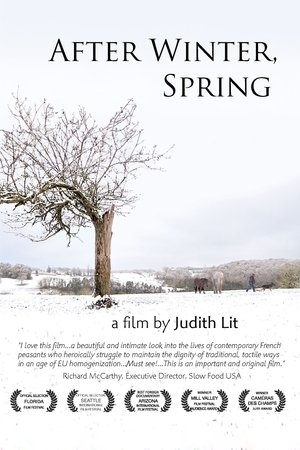
Family farmers in southwest France practice an ancestral way of life under threat in a world increasingly dominated by large-scale industrial agriculture.
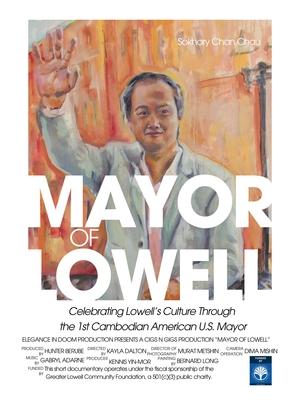
This short documentary chronicles the culture and arts of Cambodian Americans and the Lowell, MA community through the eyes of Sokhary Chau, the first Cambodian American Mayor in the United States. Chau immigrated to the U.S. at seven years old to escape the Khmer Rouge genocide. Through this unique story that showcases the best of Lowell—immigrant success, assimilation, history, and the development of the arts—we see a man born into a war-torn country who comes to America to be a first-in-the-nation leader.
Mark and Dan Jury document the gradual demise of a community nestled within the Cuyahoga National Recreation Area between Akron and Cleveland, Ohio, as the National Park Service works to acquire the land of ~500 residents in order to establish a National Park. After initially being told only a handful of houses would be taken, residents are shocked by hundreds of homes and businesses being bought up, boarded up, and posted No Trespassing - and by the homes of the politically connected being spared. Significant portions of this film appeared in the PBS FRONTLINE episode For the Good of All.
The film traces two families, one of which is Jewish, who preserved the images for decades but hadn’t brought them to light. 80 years after their creation, the son of the photographer finds the forgotten negatives and launches an investigation. With a team of researchers, archivists, and animators who use near-forensic precision to reconstruct locations and contexts, they trace the circumstances of those tragic days and the lives captured in each frame.
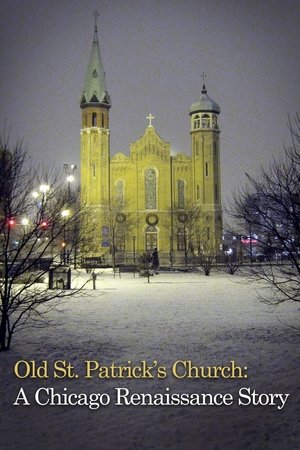
Mike Leonard tells the inside story of how the west Loop’s St. Patrick’s Roman Catholic Church, known to residents as Old St. Pat's, transformed itself from an empty church in a declining neighborhood into a Chicago hub of worship, culture, social life, education, and service -- revitalizing a then-struggling West Loop.
At its heart, it’s a battle for homeland and sovereignty. Bears Ears, a remote section of land lined with red cliffs and filled with juniper sage, is at the center of a fight over who has a say in how Western landscapes are protected and managed.
Terry Wilson is a 70-year-old lifelong resident of Meadowvale Village, Ontario's first heritage district. As development looms and begins to destroy Terry's favourite place in the world, he recreates pieces of history in his backyard, crafting an oasis where it feels like nothing has changed. A beautiful tribute to his childhood, his mother, and his town, Terry passionately fights to preserve history in a world that's too anxious for change.
When his rented lot is snatched up by an opportunistic real estate mogul, Eddie Miranda and his Coney Island ride the Zipper become casualties of a power struggle between the developer and the City of New York over the future of the world-famous destination.
A documentary celebrating 20 years of the work of Kaleidoscope, an organisation devoted to the preservation of archive television.