Faggots have a lot to learn from dykes and vice versa.
Expedition Artenschutz - Auf der Spur des Jaguars
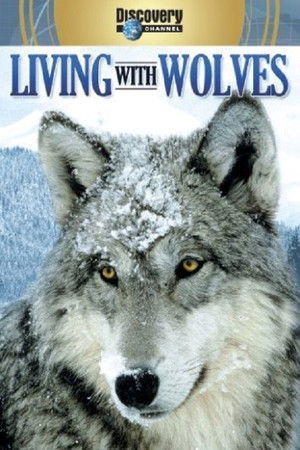
Wolves have been demonized for centuries, blood thirsty beasts haunting our nightmares. We were determined to dispel this myth and show the true nature of wolves. Compassionate family animals, both playful and affectionate. For six years in a tented camp in the wilderness of Idaho, we lived among a pack of wolves, listening to them, earning their trust.Now in "Living With Wolves," we share more of the story of The Sawtooth Pack, first told in our two-time Emmy Award-winning documentary, Wolves at Our Door. Our own lives, brought together by a devotion to wildlife, were forever changed by these elusive, intelligent animals who accepted us. Overcoming forest fires, marauding mountain lions and sub-zero winters, we share with you a heart-warming and unique partnership of human and predator, built on trust and defying the storm of controversy surrounding the wolf.
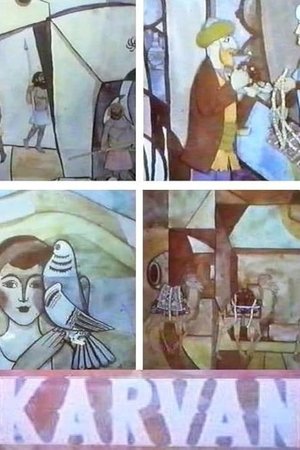
This film visualizes humanity’s quest to relentlessly pursue goals. In the human fight for progress, the march forward cannot be stopped, even when individual people become weary and die. This animated short is based on a poem by the Chilean filmmaker and poet Juan Forch. Chilean painter Hernando León created the design.
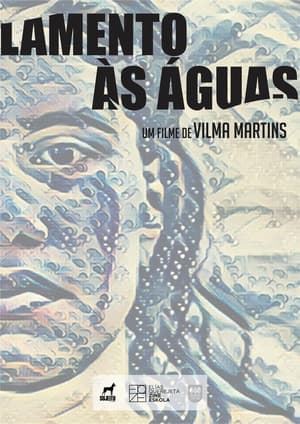
May our smiles not be forced for your enjoyment and may our pains no longer be hidden. May my mother Yemanja help me. A short film about the pain we carry alone and that we only confess to the sea, which is life, but for us, black people from the diaspora, it's also a memory of a past of sadness and death.
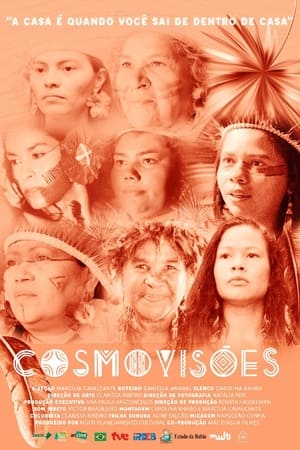
In Southern Bahia, seven indigenous women invite to reflection, sharing their mythology, ancestry and paths to living well.
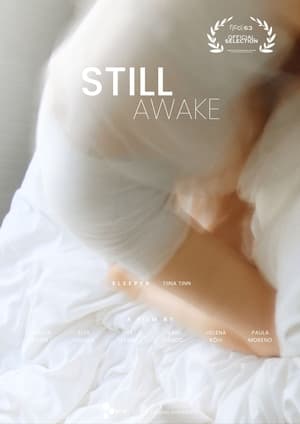
Still Awake is a film that explores resistance and stasis through the consciousness of the body movement and the stillness of a woman in bed.
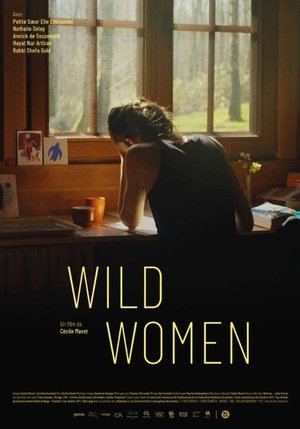
At the beginning of winter, a filmmaker retires for six months to a hermit's cabin in the middle of the forest, cut off from the world and its means of communication. Through the words of four women she has filmed previously, all of whom have dedicated their lives to different forms of spirituality, she embarks on a mysterious inner adventure, on the edge of solitude and nature. A journey that invites us to connect with the world in a different way.
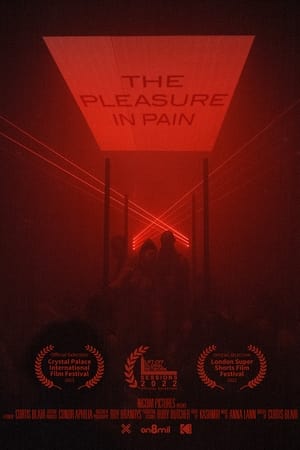
A short film that follows key figures of the London kink scene on an exploration into BDSM and the notorious fetish event Klub Verboten. The film touches upon themes of psychology, trauma, LGBTQ+ rights and black representation.
The film consists of three novels: the first novel about Gobustan, an ancient human settlement. The second novel deals with the theme of the East and women. The third novel tells about January 20, 1990 and the Khojaly tragedy.
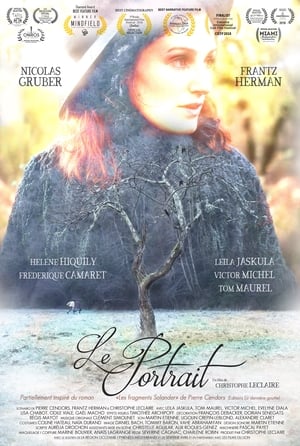
In the early 20th century, Lazar -a taciturn woodsman- asks the disenchanted portraitist Arkadi to immortalize his child. The execution of this portrait will unsettle both men while revealing their inner fears and change their outlook on life.
A curious miniature boat sails along the rivers and waterways of Sheffield, observing the people, places, and sights of the Peak District.
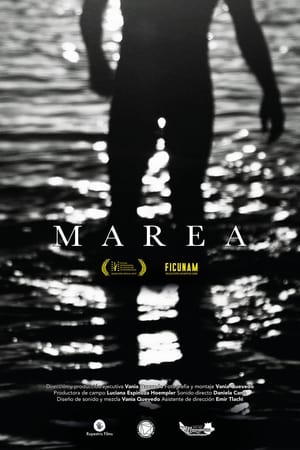
On the shores of a desolate beach in Cuba, the tide cycle begins, a shark hunter, from the ritual of fishing, experiences the strongest symptoms of his condition and nature.
Tanz der Muscheln
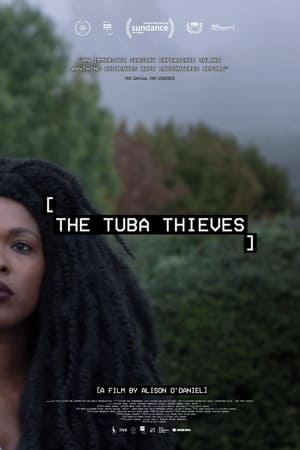
A spate of robberies in Southern California schools had an oddly specific target: tubas. In this work of creative nonfiction, d/Deaf first-time feature director Alison O’Daniel presents the impact of these crimes from an unexpected angle. The film unfolds mimicking a game of telephone, where sound’s feeble transmissibility is proven as the story bends and weaves to human interpretation and miscommunication. The result is a stunning contribution to cinematic language. O’Daniel has developed a syntax of deafness that offers a complex, overlaid, surprising new texture, which offers a dimensional experience of deafness and reorients the audience auditorily in an unfamiliar and exhilarating way.
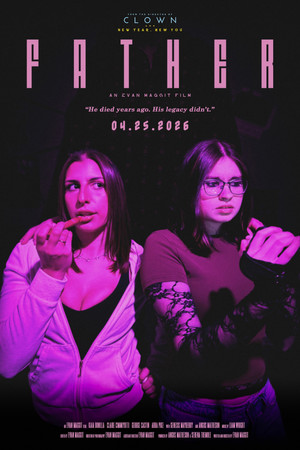
During Thanksgiving week, two college friends interview a group of students who have seen the ghost of a deceased father.
Kumbum 1+1 (1975-1987) is a variation on author's Kumbum 1 (1975-1987) feature-length alternative film, where 1+1 refers to the film being projected as two parallel (side-by-side) 16mm projections, each playing half of the feature film. Consequently, the runtime of this variation is cut in half. The conceptual design of the film is based on the assumptions and findings of empirical science concerning human perception of visual material. For the purposes of the film, the author of Kumbum developed a complex mathematical structure and, in accordance with it, arranged the visual material into a sequence of (thematically) diverse moving images subjected to rapid montage. This system served as a decoder for the lengths of 12,000 shots, composed of television footage combined with shots taken from the existing filmography of OM production. Kumbum drives and immerses the viewer in the visual, imposing the next piece of information on the brain even before the previous one has been processed.
Armando Arce (b. 1948) has led a restless and multifaceted life as a painter, sculptor, filmmaker, diplomat, and teacher. Deeply committed to the cultural development of his country, he has devoted much of his career to education and to the growth of Venezuelan cinema. His path into filmmaking began during the political ferment of the 1970s, when Super-8 cameras became accessible tools for popular expression in working-class neighborhoods. Today he faces two of his most ambitious projects: the creation of the Museum of Cinema and Audiovisual Art (MUCAAC) in Mérida and the National Center for Animation Cinema in Caracas.
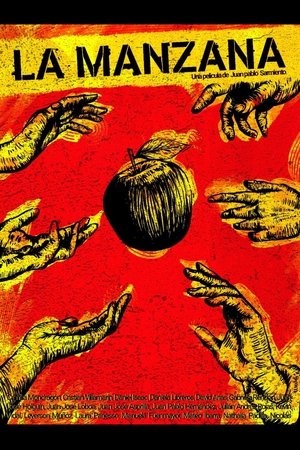
La manzana
For the purpose of collection, preservation, and recording, numerous faces that existed in different times and places densely gather in a single space. Among them are photos of Koreans taken during the Japanese occupation era for physical measurements and Buddha statues with severed heads for reasons unknown.