Made in 1896 during the flat racing season (March-October) at Stockton Racecourse, a former horse racing venue in Thornaby-on-Tees, North Yorkshire, UK. Several horses are ridden by jockeys past the camera. Many men in flat caps from the crowd run onto the course and run past the camera at the end of the race. Two policemen follow the men.
From the 60's, the neighborhood of Pedra de Guaratiba, in Rio de Janeiro, was invaded by a varied artistic community.
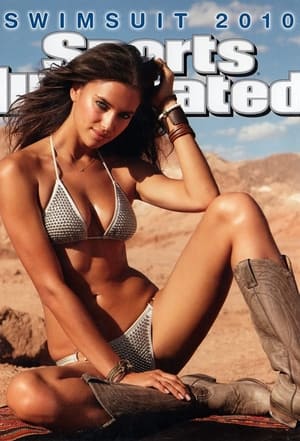
Sports Illustrated Swimsuit 2010 gives you an all access pass to the making of the highly anticipated annual SI Swimsuit issue. Take a journey with Bar Refaeli, Brooklyn Decker, and 16 other super models to the hottest locations around the world.
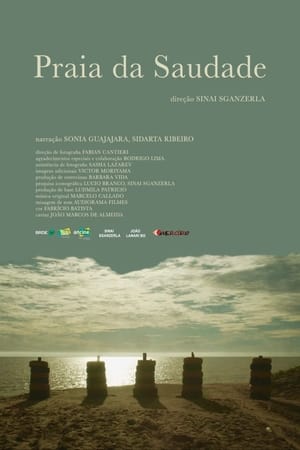
A documentary about climate change in Brazil, especially at Atafona Beach (in the Campos de Goytacazes region), which is being swallowed up by the sea. Narrated by Sonia Guajajara and Sidarta Ribeiro, the film deals with the genocide of the native people of Goytacazes.
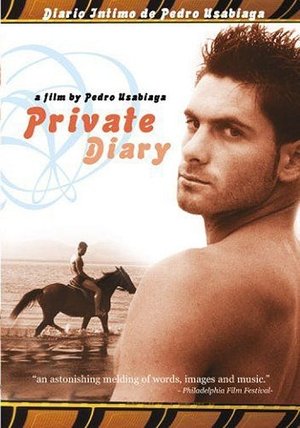
Private Diary documents photographer Pedro Usabiaga working with a variety of amateur models. The audience sees how the relationships between the photographer and the subjects changes during their time together, as well as how the individual photographs begin to take shape. Pedro Usabiaga is a well-established Basque photographer whose chief concerns are figurative photography and whose passion in photographing the Spanish male. In this hour long conversation with the artist we are given entry into that process of selecting models (none of the models he uses for this book to be titled 'Private Diary' are professional, but instead are randomly chosen as Usabiaga observes athletes in action) and then allowed to follow Usabiaga and his crew as they photograph these men in natural settings and natural light.
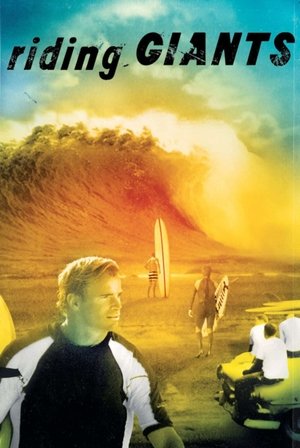
Riding Giants is story about big wave surfers who have become heroes and legends in their sport. Directed by the skateboard guru Stacy Peralta.
After showing us some of Elland’s places of special interest, including the home of one of The Bachelors, we are taken on a tour of local sweet manufacturers Joseph Dobson & Sons. From boiling up the syrup, to stretching the resultant goo and cutting out the individual shapes, each stage of the process of making boiled sweets is demonstrated and explained. The end product is rows of jars of Rainbow Crystals, Yorkshire Mixtures and Voice Tablets selling at 16 pence a Qtr.
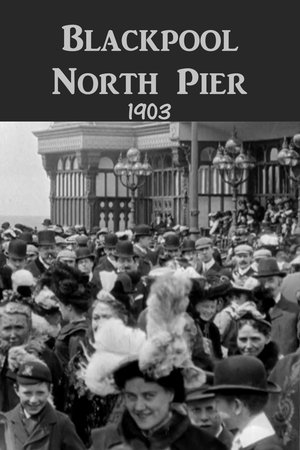
Edwardian holidaymakers throng to the attractions at Lancashire's premier seaside resort.
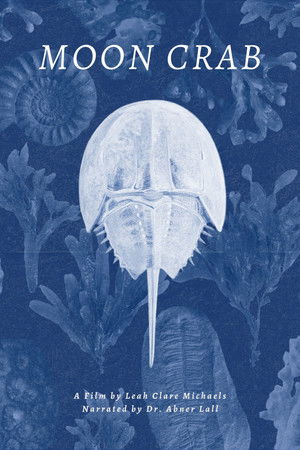
Moon Crab is a meditation on the horseshoe crab, one of Earth's oldest living species now struggling with extreme population decline. Blending reflections on nature's cycles with experimental visuals, the film employs an array of techniques, including eco-processed film developed with seaweed, to immerse the viewer in the crab's subaquatic world. Narrated with intimate depth by physiologist Dr. Abner Lall, the filmmaker’s neighbor, this documentary captures a timeless story of resilience and fragility, urging us to reconsider our connection to the natural world.
Blissful scenes of tourists arriving by boat and then sea bathing on a beach in the Venetian lagoon.
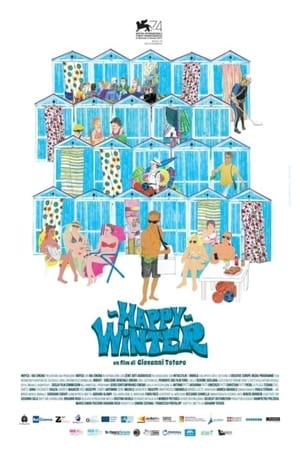
Every summer on Palermo's Mondello beach, over 1,000 cabins are built in preparation of the Ferragosto holiday. Centered around a family who goes into debt, three women holding onto the feeling of youth, and a politician seeking votes -- a vanity fair of beachgoers hiding behind the memory of a social status that the economic crisis of recent years has compromised.
The film follows morning events at Bacvice beach. At dawn, before sunrise, the beach becomes a place of an unusual clash. From nearby clubs and cafes, numerous groups of young people cross the beach on their way home. At the same time, older people start coming. They walk, come, pass by and go.
One of the highest achievements of the new wave of Kirghiz cinema, which emerged in the mid-1960s. This story of a boy building sandcastles on the shores of the Issyk-Kul Lake becomes a documentary parable on the tensions between an artist and society.
Occurring from the mid-1970s to 1981, the Ripper committed 13 murders. Viewed as ritualistic in nature, they were done with extreme brutality as he mocked the police during their desperate hunt for him. The victims were primiarly prostitutes or poor girls, with a few working girls tossed in. Generally he would hit a victim on the head with a hammer, sexually assault the lady, mutilate her, and then redress/re-arrangement the clothing and cover the corpse with her own coat.
The world seen through the eyes of children. The action takes place in Karosta, the former military port of Liepaja city – however, it is not that important, as the film could take place anywhere. We observe children playing on the beach, revealing the core of Pakalnina’s work: perceiving and transmitting emotions.
A lo Mejor Algún Día
Vicky is fisherman by day and bar owner at night. When she was a little boy her dream was to be a radio soap opera star, nowadays she dreams of falling in love again. How is it possible that a small, barren place in the third world has managed to achieve this special form of freedom and tolerance?
My Trip to Miami follows a well-meaning, misguided, tourist as he tries to self-actualize via Trip Advisors algorithmic script. My Trip to Miami is a documentation of a fantasy, a failure in image-based expectations.
Druids, Romans and Norman knights return to Richmond for the 600th anniversary of the Yorkshire town's charter.
Harrow’s extraordinary and opulent pageant, and seaside holidays on the south coast.